

Lemon trees can thrive in Portland, Oregon, with the right care and understanding of the Pacific Northwest climate. To successfully grow and harvest lemons, gardeners must focus on temperature management, soil conditions, and proper watering techniques.
PNW Climate Effects on Lemon Tree Growth
The Pacific Northwest’s unique climate presents both challenges and opportunities for growing lemon trees in Portland, Oregon. Understanding how factors like temperature, rainfall, and seasonal variations impact lemon tree growth is essential for successful cultivation. This section delves into the specific climatic conditions that influence lemon trees and offers insights for local gardeners aiming to optimize their harvest.
The Pacific Northwest climate presents unique challenges and opportunities for growing lemon trees. The region experiences wet winters and mild summers, which can affect the growth cycle of citrus trees. Understanding these conditions is essential for successful cultivation.
Lemon trees require a specific temperature range for optimal growth. They thrive in temperatures between 70°F and 85°F during the day and should not drop below 30°F at night.
| Climate Factor | Ideal Range |
|---|---|
| Daytime Temperature | 70°F – 85°F |
| Nighttime Temperature | Above 30°F |
| Annual Rainfall | 30 – 50 inches |
Best Lemon Tree Varieties for PNW Climate
When cultivating lemon trees in Portland, understanding the best varieties suited for the Pacific Northwest climate is essential. The region’s unique weather conditions can influence growth and fruit production, making it crucial to select the right types that thrive in cooler temperatures and varying humidity levels. Here are some of the top lemon tree varieties that flourish in this environment.
Choosing the right lemon tree variety is crucial for success in Portland. Some varieties are more suited to cooler climates and can adapt better to the PNW conditions.
Popular varieties include:
Eureka: Known for its high yield and disease resistance.
Lisbon: Similar to Eureka but more tolerant of cold.
Improved Meyer: A hybrid that produces sweeter fruit and is more cold-tolerant.
Recommended Products

This order contains 1 grafted Meyer Lemon tree
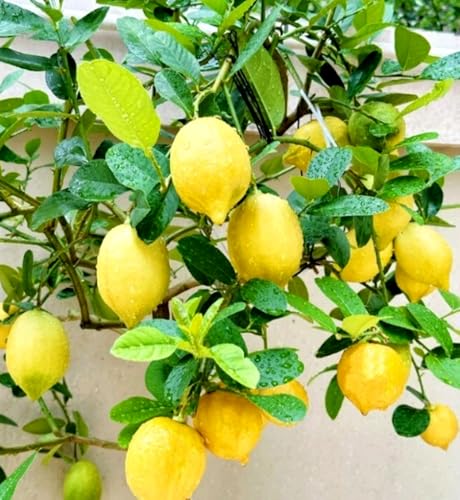
Meyer lemons are a thin-skinned hybrid fruit.

Variety Selection Factors for Lemon Trees
Selecting the right variety of lemon tree is crucial for success in Portland’s unique climate. Factors such as temperature tolerance, growth habits, and disease resistance play a significant role in ensuring a fruitful harvest. Understanding these elements will help you choose a lemon tree that thrives in the Pacific Northwest.
When selecting a lemon tree, consider the following factors:
Cold Hardiness: Choose varieties that can withstand occasional frost.
Fruit Flavor: Some varieties offer sweeter or more tart flavors.
Growth Habit: Consider whether you want a standard or dwarf variety for limited spaces.
Soil Preparation for Lemon Trees
Preparing the right soil is crucial for successfully growing lemon trees in Portland’s unique climate. The Pacific Northwest’s cool, damp conditions require specific soil amendments to ensure proper drainage and nutrient availability. Understanding how to create an optimal growing environment will help your lemon trees thrive and produce fruit.
Proper soil preparation is vital for lemon tree health. The soil should drain well and be rich in organic matter.
Lemon Tree Soil Preferences in Portland
Understanding the soil preferences for lemon trees is crucial for successful cultivation in Portland’s unique climate. The right soil composition can significantly impact growth and fruit production, ensuring that your lemon trees thrive despite the challenges posed by the Pacific Northwest environment. This section will explore the ideal soil conditions to support healthy lemon tree development.
Lemon trees prefer:
pH Level: 6.0 to 7.0 for optimal nutrient uptake.
Drainage: Sandy loam or well-draining potting mix is ideal.
Organic Matter: Incorporate compost to enhance soil fertility.
Soil pH Testing for Lemon Trees
Understanding soil pH is crucial for growing healthy lemon trees in Portland’s unique climate. The right pH level not only affects nutrient availability but also influences overall tree health and fruit production. This section will guide you through the importance of soil pH testing and how to achieve optimal conditions for your lemon trees.
Test Soil pH: Use a soil test kit to determine pH levels.
Amend Soil: Add lime or sulfur to adjust pH as needed.
Mix in Compost: Blend organic matter into the top 12 inches of soil.
Lemon Tree Watering Strategies for Portland
Successfully growing lemon trees in Portland requires careful attention to their watering needs, especially given the region’s unique climate. Understanding the balance between moisture retention and drainage is crucial for healthy growth and fruit production. This section outlines effective watering strategies tailored for lemon trees thriving in the Pacific Northwest.
Watering lemon trees correctly is essential for their growth and fruit production. Overwatering can lead to root rot, while underwatering can stress the tree.
Recommended Products
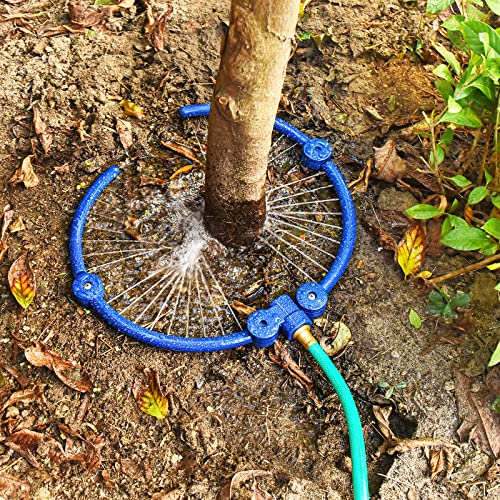
【Specially Designed for Trees and Shrubs】 The Watering Ring is a multi-purpose irrigation ring that attaches to a garden hose to efficiently water young trees shrubs vegetables or flower beds using drip or trickle irrigation.It directs water to the root perimeter of the plant to give them a good start during the first two growing seasons or through periods of drought.
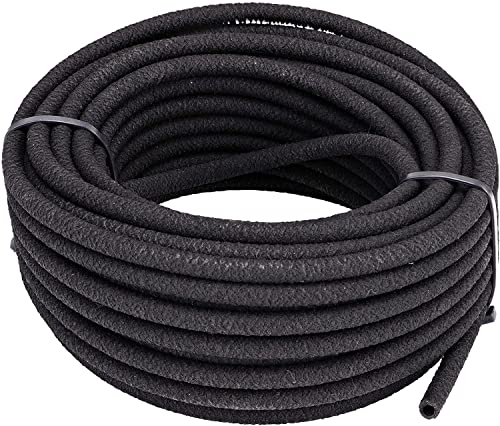
Slowly waters the soil around your plants for complete root zone hydration; Ideal for short runs on flat surfaces, such as vegetable gardens, borders, and around small plants

【Even & Consistent Root Watering】Features micro-pore seepage technology that distributes water evenly along the entire hose, transforming spot watering into uniform line watering directly to plant roots. Unlike traditional drip irrigation systems with clog-prone emitters, this soaker hose creates a continuous moisture band for healthier, deeper-rooted plants
Lemon Tree Watering Frequency in Portland
Understanding the watering frequency for lemon trees is crucial for successful cultivation in Portland’s unique PNW climate. This section delves into the specific needs of lemon trees, offering practical guidelines to ensure they thrive and produce fruit despite the region’s varying weather conditions. Proper watering techniques can significantly impact the health and yield of your lemon trees.
Frequency: Water every 1-2 weeks, depending on rainfall.
Amount: Provide 1-2 inches of water per week.
Method: Use drip irrigation or a soaker hose to minimize water on the leaves.
Water Stress Indicators for Lemon Trees
Understanding water stress indicators is crucial for maintaining healthy lemon trees in Portland’s unique climate. Given the Pacific Northwest’s variable weather patterns, recognizing signs of water deficiency or excess can help gardeners optimize their care routines. This section will explore the key indicators to watch for, ensuring your lemon trees thrive throughout the growing season.
Monitor your lemon trees for signs of water stress:
Wilting Leaves: Indicates underwatering.
Yellowing Leaves: Can signal overwatering.
Leaf Drop: A sign of both over and underwatering.
Pest and Disease Management for Lemon Trees
Managing pests and diseases is crucial for the health of lemon trees in Portland’s unique climate. The Pacific Northwest presents specific challenges, including humidity and cooler temperatures, which can affect tree vitality. Understanding common threats and effective management strategies will help ensure a fruitful harvest in this region.
Lemon trees can be susceptible to various pests and diseases. Early detection and management are key to maintaining tree health.
Recommended Products

FAST PAIN RELIEF & HEALING MOUTH SORE SPRAY: Canker-X canker sore treatment spray provides fast, long-lasting pain relief from canker sores, abrasions and more, without any...
Lemon Tree Pest Management in Portland
Managing pests is crucial for the health of lemon trees in Portland’s unique climate. Understanding the common pests that affect citrus trees in the Pacific Northwest, along with effective management strategies, can help ensure a fruitful harvest. This section will explore the various pests you may encounter and offer practical solutions for keeping your lemon trees thriving.
Aphids: Small insects that can weaken trees.
Spider Mites: Cause leaf discoloration and drop.
Scale Insects: Create sticky residues and can lead to sooty mold.
Citrus Canker Control Strategies
Citrus canker poses a significant threat to lemon trees, particularly in the unique climate of Portland, Oregon. Understanding effective control strategies is essential for maintaining healthy trees and ensuring a fruitful harvest. This section delves into practical methods to manage and prevent citrus canker, tailored specifically for the Pacific Northwest environment.
Citrus Canker: A bacterial disease that causes leaf lesions.
Root Rot: Often due to overwatering and poor drainage.
Pest and Disease Inspection Techniques
Maintaining the health of lemon trees in Portland requires vigilance against pests and diseases that can thrive in the Pacific Northwest’s unique climate. Understanding effective inspection techniques is essential for early detection and management, ensuring your trees remain productive and vibrant. This section outlines practical methods to identify potential threats and safeguard your lemon harvest.
Regular Inspections: Check trees weekly for signs of pests or diseases.
Neem Oil: Use as a natural pesticide to control infestations.
Proper Pruning: Maintain air circulation to reduce disease risk.
Optimal Timing for Lemon Harvest
Understanding the optimal timing for harvesting lemons in Portland, Oregon is crucial for maximizing fruit quality and yield. The Pacific Northwest’s unique climate conditions influence when lemons reach their peak ripeness, making it essential to monitor specific indicators. This section will explore the best practices and timing for a successful lemon harvest in this region.
Harvesting lemons at the right time ensures the best flavor and quality. Lemons typically take 6-9 months to mature after flowering.
Lemon Ripeness Indicators in Portland
Understanding the signs of lemon ripeness is crucial for successful harvesting in Portland’s unique climate. The Pacific Northwest presents specific challenges, making it essential to recognize the visual and tactile cues that indicate when lemons are ready to be picked. This section will explore the key indicators to help you determine the perfect time for harvest.
Color: Bright yellow indicates readiness.
Size: Mature lemons are usually larger than immature ones.
Firmness: A slight give when squeezed means they are ripe.
Lemon Harvesting Techniques for Portland
Harvesting lemons in Portland requires specific techniques to adapt to the region’s unique climate. Understanding the right timing and methods can significantly enhance the yield and quality of your fruit. This section explores effective strategies tailored for lemon trees thriving in the Pacific Northwest, ensuring a successful harvest season.
Use Pruning Shears: Cut the fruit from the tree to avoid damage.
Handle Gently: Avoid bruising the fruit during collection.
Store Properly: Keep harvested lemons in a cool, dry place.
Successful Lemon Cultivation in Portland
Growing lemon trees in Portland can be a rewarding endeavor, despite the region’s cooler climate. With the right techniques and understanding of local conditions, you can successfully cultivate these citrus trees and enjoy a fruitful harvest. This section will explore essential tips for thriving lemon cultivation in the Pacific Northwest.
Growing lemon trees in Portland is achievable with the right knowledge and care. Focus on climate adaptation, soil preparation, and pest management to ensure a fruitful harvest.
