

Ever wondered how you could extend the joy of enjoying a sweet, juicy cantaloupe beyond just its flesh? Picture this: you’re savoring a delicious slice of cantaloupe on a sunny day, and the thought strikes – what if you could grow your own melons from these very seeds?
Key Takeaways
- Saving cantaloupe seeds preserves heirloom varieties and enhances biodiversity in gardens.
- Choosing a mature cantaloupe with a sweet aroma, golden color, and firmness is essential for successful seed saving.
- Opt for organic and non-hybrid varieties to maintain genetic purity and seed viability when saving cantaloupe seeds.
- Follow a step-by-step guide to properly extract, clean, dry, and store cantaloupe seeds for future plantings.
- Be aware of common issues such as contamination risks from cross-pollination, mold growth, and decay when saving cantaloupe seeds.
Importance of Saving Cantaloupe Seeds
When you save seeds from a cantaloupe, you contribute to preserving heirloom varieties and enhancing biodiversity in gardens.
Preserving Heirloom Varieties
By saving seeds from your favorite cantaloupe, you help preserve unique heirloom varieties that may not be readily available in stores. These varieties often boast exceptional flavors, textures, and colors that have been passed down through generations.
Enhancing Biodiversity in Gardens
Saving cantaloupe seeds also plays a crucial role in promoting biodiversity in gardens. By growing diverse plants with distinct genetic traits, you create healthier ecosystems that are more resilient to pests and diseases. Additionally, a variety of plants can attract different beneficial insects, leading to a more balanced garden ecosystem.
Choosing the Right Cantaloupe for Seed Saving
When saving seeds from a cantaloupe, it’s crucial to start with the right fruit. Here are some key factors to consider:
Recommended Products
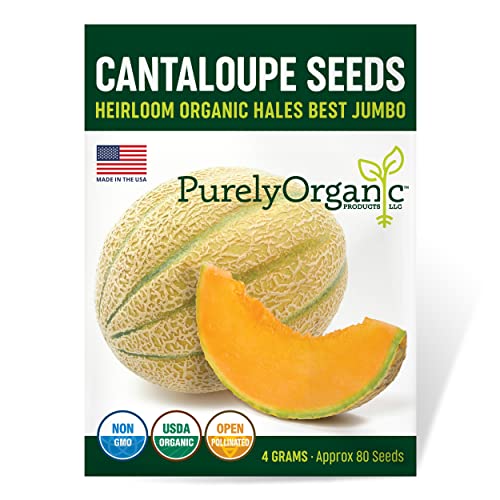
Cucumis Melo: These finest quality, non-GMO, organic Hales Best Jumbo Cantaloupe seeds produce large, ribbed melons. The bright orange flesh is exceptionally sweet and delicious for breakfast or in fruit salads.
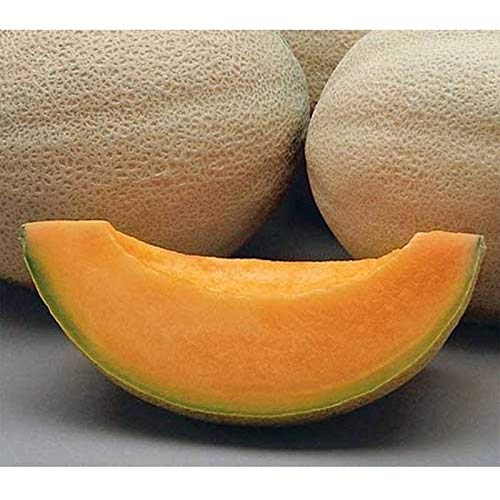
Heirloom, Organic, Non GMO, Vegetable, Fruit, Herb, Flower Garden Seeds
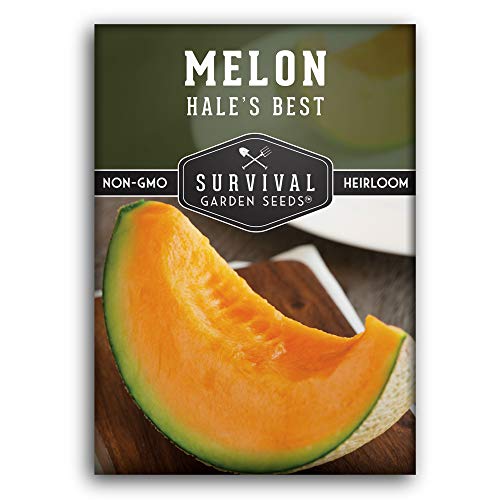
HEIRLOOM CANTALOUPE SEEDS – Enjoy classic homegrown flavor with sweet, juicy orange flesh and a small seed cavity for plenty of delicious fruit in every harvest from this beloved heirloom cantaloupe
Signs of a Mature Cantaloupe
To ensure successful seed saving, look for these signs of a mature cantaloupe:
- Sweet Aroma: A ripe cantaloupe will have a sweet, fragrant smell at the blossom end.
- Golden Color: The rind should have changed to a golden or creamy hue, indicating ripeness.
- Firmness: Gently press the ends of the cantaloupe – it should yield slightly but not be too soft.
Selecting Organic and Non-Hybrid Varieties
For optimal seed saving results, opt for organic and non-hybrid varieties when choosing your cantaloupe. Here’s why:
- Genetic Purity: Organic varieties are less likely to be cross-pollinated with other melon types.
- Seed Viability: Non-hybrid (open-pollinated) varieties produce seeds that will grow true to type in subsequent plantings.
By selecting a mature cantaloupe with these characteristics and choosing organic, non-hybrid varieties, you set yourself up for successful seed saving endeavors.
Step-by-Step Guide to Saving Cantaloupe Seeds
To ensure successful seed saving from your cantaloupe, follow these simple steps:
Recommended Products

Airtight Seal Technology – Hinged lid with silicone gasket creates an airtight seal to keep flour, sugar, rice, and other dry goods fresh longer while preventing moisture and pests

SEED ORGANIZER: The box measures 14" L x 3.75" W x 4.5" H inches, suitable for organize 3.25 and 3.5 inches wide seed packets. Most brands’ seed packet is 3.25" wide.

UNCOMPROMISING SEED SECURITY - Your precious seed collection deserves more than a plastic container. Our upgraded dual safety locks create a fortress against moisture, curious kids, and pests. The light-proof, coated metal walls maintain seed viability, so your heirloom tomatoes and rare peppers are always ready for the next season.
Extracting Seeds from the Cantaloupe
After enjoying the sweet flesh of your ripe cantaloupe, it’s time to extract and save the seeds for future planting. Here’s how you can do it:
- Scoop out the seeds: Cut open the cantaloupe and scoop out the seeds using a spoon.
- Separate the seeds: Place the extracted seeds in a bowl of water and separate them from the pulp by hand.
- Rinse and dry: Rinse the seeds thoroughly under running water to remove any remaining pulp. Spread them out on a paper towel to dry completely.
Cleaning and Drying the Seeds
Properly cleaning and drying cantaloupe seeds is crucial for their viability and storage. Follow these steps to ensure your seeds are ready for planting:
- Clean debris: Remove any remaining pulp or flesh attached to the seeds by rinsing them under water.
- Air-dry method: Lay out the cleaned seeds on a paper towel or mesh screen in a warm, well-ventilated area. Allow them to air dry for about 2-3 weeks until fully dried.
- Seed inspection: Once dried, check that the seeds are completely dry before storing them.
Storing Seeds Properly
To maintain seed viability and ensure successful germination in future plantings, store your cantaloupe seeds correctly:
- Container selection: Choose an airtight container such as a glass jar or resealable plastic bag for storing your dried cantaloupe seeds.
- Labeling: Clearly label the container with the seed variety and date of collection to track their age.
- Storage conditions: Store the sealed container in a cool, dark place away from moisture and temperature fluctuations.
Common Issues in Saving Cantaloupe Seeds
When it comes to saving cantaloupe seeds, there are some common issues you may encounter that could affect the quality and viability of your seeds. Here are a few key challenges to be aware of:
Recommended Products

COMPLETE FRUIT, VEGETABLE & HERB SEED VAULT – Grow a thriving, self-sufficient garden with 44 varieties of nutrient-rich fruits, vegetables, and herbs. Perfect for producing fresh ingredients for salads, meals, and everyday cooking right from your backyard. Packed with growing guide – Every seed variety is sealed in resealable, moisture-resistant packets for long-term storage and freshness. Includes an easy-to-follow guide with planting tips, harvest instructions, and seed-saving techniques.

Beautiful - Large individual packets of Honey Rock, Hales Best and Honeydew Melon (Cucumis melo) seeds. Grow an abundant harvest of colorful cantaloupes. Enjoy these delectable musk melons picked straight from your garden.

Name: Hales Best Jumbo Melon | Type: Heirloom
Contamination Risks
Contamination risks can arise from various sources when saving cantaloupe seeds. One primary concern is cross-pollination with other melon varieties if grown near each other. Bees and other pollinators can easily transfer pollen between different types of melons, leading to hybrid seeds rather than pure cantaloupe seeds.
To mitigate this risk, consider isolating your cantaloupe plants from other melon varieties by maintaining a sufficient distance between them or using physical barriers like row covers. Additionally, hand-pollinating your cantaloupe flowers can help ensure seed purity by controlling the pollination process.
Another contamination risk is improper storage conditions that can expose your saved cantaloupe seeds to moisture or pests. Storing seeds in a humid environment or failing to seal them properly can lead to mold growth or insect infestations, rendering the seeds unusable.
Dealing with Mold and Decay
Mold and decay are common issues that can affect saved cantaloupe seeds if not handled correctly. Mold growth on stored seeds is typically caused by excess moisture during storage, which creates an ideal environment for fungal development.
To prevent mold and decay, make sure your saved cantaloupe seeds are thoroughly dried before storing them. Properly cleaned and dried seeds should be stored in a cool, dry place away from direct sunlight. Using breathable containers like paper envelopes or glass jars can help maintain optimal humidity levels and reduce the risk of mold formation.
Regularly inspecting stored seeds for any signs of mold or decay is essential to catch any issues early on. Discard any compromised or damaged seeds to prevent further contamination and ensure the rest of your seed collection remains viable for future plantings.
By being mindful of contamination risks and taking steps to prevent mold and decay, you can improve the success rate of saving cantaloupe seeds and preserve high-quality genetics for your garden’s future harvests.
Conclusion
Saving seeds from a cantaloupe is not just about preserving a delicious fruit; it’s about nurturing biodiversity and ensuring the future of your garden. By selecting ripe fruits, choosing organic and non-hybrid varieties, and following proper seed-saving techniques, you can contribute to healthier ecosystems and maintain genetic diversity in your plants. Remember to store your seeds correctly to guarantee successful future plantings. With a little care and attention, you can enjoy the satisfaction of growing your own cantaloupes year after year. Happy seed saving!
Frequently Asked Questions
Can I save cantaloupe seeds for future plantings?
Yes, saving cantaloupe seeds is a great way to preserve heirloom varieties and ensure genetic diversity in your garden. Choose ripe fruits with unique flavors, extract the seeds carefully, clean and dry them thoroughly before storing.
How do I know if a cantaloupe is ready for seed saving?
Look for signs of maturity like a sweet aroma, golden color under the netting, and slight softness at the blossom end. These indicate that the fruit is ripe and ideal for seed saving.
What are the benefits of selecting organic and non-hybrid cantaloupe varieties for seed saving?
Organic and non-hybrid varieties offer genetic purity, ensuring viable seeds for successful future plantings without compromising on flavor or quality.
How can I prevent contamination when saving cantaloupe seeds?
To avoid cross-pollination risks with other melon types, practice isolation techniques or hand-pollination to maintain seed purity. Cleanliness during extraction and proper storage conditions also help prevent contamination issues.
How should I store saved cantaloupe seeds correctly?
After cleaning and drying the seeds thoroughly, store them in a cool, dry place away from moisture and sunlight. Use airtight containers or envelopes to maintain seed viability until your next planting season.
