

Ever wondered how to effortlessly trim those unruly branches in your garden without breaking a sweat? Picture this: you’re in your backyard, surrounded by overgrown bushes, and you need a reliable tool to get the job done efficiently. Enter the anvil pruner – a handy device that can make your gardening tasks a breeze.
Have you ever struggled with pruning thicker branches or deadwood? An anvil pruner might just be the solution you’ve been looking for. In this article, you’ll discover the ins and outs of this versatile tool and how it can revolutionize the way you maintain your garden. Say goodbye to struggling with stubborn branches and hello to a more enjoyable gardening experience.
Ready to take your gardening game to the next level? Learn how an anvil pruner can be your ultimate ally in keeping your garden in top shape. Uncover the secrets of this essential tool and get ready to tackle your pruning tasks with ease.
What is an Anvil Pruner?
An anvil pruner is a garden tool designed for trimming branches. It features a sharp blade that cuts by pressing against a flat surface, known as the anvil.
When using an anvil pruner, you place the branch on the anvil and close the blade to make a cut. This design is ideal for cutting thicker branches and deadwood.
A key difference between anvil pruners and bypass pruners is that anvil pruners apply more crushing force, making them less suitable for delicate stems.
Key Features of an Anvil Pruner:
- Blade Design: Sharp cutting blade for precision.
- Anvil: Flat surface for the blade to press against.
- Cutting Capacity: Suitable for thicker branches and dead wood.
Benefits of Using an Anvil Pruner
Using an anvil pruner offers several advantages, including:
- Efficient Cutting: Able to tackle thicker branches.
- Ease of Use: Simple operation for effective pruning.
- Versatility: Suitable for various pruning tasks in the garden.
Overall, an anvil pruner is a valuable tool to have for maintaining your garden with ease.
Benefits of Using an Anvil Pruner
Anvil pruners offer efficiency and versatility, making them a valuable tool for your gardening tasks.
- Efficient Cutting: Anvil pruners deliver clean cuts on branches, promoting plant health.
- Ease of Use: With their design, anvil pruners are simple to operate, even for beginners.
- Versatile: You can use anvil pruners for a range of pruning jobs in your garden.
Incorporating an anvil pruner into your routine can streamline your pruning experience and yield satisfying results, no matter your skill level.
How to Use an Anvil Pruner Effectively
When it comes to using an anvil pruner in your gardening tasks, follow these simple yet effective tips to make the most out of this versatile tool:
- Inspect the Blades: Before starting, ensure that the blades are sharp for clean cuts.
- Positioning: Identify the branch you want to prune and place it on the cutting block.
- Cutting Technique: Position the anvil blade against the branch you wish to prune and squeeze the handles together.
- Apply Pressure: For thicker branches, apply firm pressure to make a clean cut without damaging the plant.
- Precision is Key: Make sure to cut at a 45-degree angle to promote healing and growth.
Using an anvil pruner effectively can enhance the health and appearance of your plants while making your gardening tasks efficient and satisfying.
Recommended Products


What Makes VT-X850 Stand Out for UK Gardeners? ✅ 𝐏𝐚𝐭𝐞𝐧𝐭𝐞𝐝 𝐒𝐭𝐞𝐩𝐥𝐞𝐬𝐬 𝐇𝐚𝐧𝐝𝐥𝐞 (Fits All Hand Sizes – No More Aching Wrists, Even in Damp Gardens!) ✅ 𝐒𝐞𝐚𝐥𝐞𝐝 𝐑𝐮𝐬𝐭-𝐏𝐫𝐨𝐨𝐟 𝐒𝐩𝐫𝐢𝐧𝐠 (Built to Brave Damp Weather All Year Round) ✅ 𝐀𝐦𝐛𝐢𝐝𝐞𝐱𝐭𝐫𝐨𝐮𝐬 𝐒𝐚𝐟𝐞𝐭𝐲 𝐋𝐨𝐜𝐤 – 𝐆𝐥𝐨𝐯𝐞𝐝-𝐇𝐚𝐧𝐝 𝐅𝐫𝐢𝐞𝐧𝐝𝐥𝐲 (Left/Right Users, Rain or Shine) ✅ 𝐏𝐨𝐰𝐞𝐫𝐟𝐮𝐥 𝐀𝐧𝐯𝐢𝐥 𝐂𝐮𝐭𝐭𝐢𝐧𝐠 𝐒𝐲𝐬𝐭𝐞𝐦 — Built for Dry Branches & Dead Stems

【Excellent Cutting Capability & Durability】Experience precise and efficient cutting with LeafLux anvil pruning shears. Our shears feature blades crafted from SK5 high carbon steel, enhanced with a unique heat treatment technique to achieve a hardness rating of 58-60 HRC. A thin anti-friction lacquer provides corrosion protection and reduces friction, making it easy to cut hardwood branches, wet branches, and other objects up to 15mm in diameter, ideal for pruning shears for gardening.
Maintenance Tips for Anvil Pruners
Here are some essential maintenance tips for keeping your anvil pruners in top condition:
- Clean the Blades Regularly: After each use, wipe the blades with a clean cloth to remove any sap or debris.
- Oil the Blades: Apply a thin layer of oil to the blades after cleaning to prevent rust and keep them moving smoothly.
- Check for Blade Sharpness: Before each use, inspect the blades to ensure they are sharp. Dull blades can damage plants.
- Adjust Tightness: Make sure the pruner is not too loose or too tight. Adjust the tension to your liking for optimal performance.
- Store Properly: When not in use, make sure to store your pruners in a dry place to prevent rusting.
- Replace Worn-out Parts: If you notice any parts are worn or damaged, replace them promptly to maintain the pruners’ efficiency.
Keep these maintenance tips in mind to ensure that your anvil pruners are always ready for your gardening tasks.
Recommended Products

VERSATILE – The most versatile sharpener in the market to sharpen and hone both single and double beveled blades including knife, mower blade, pruner, loppers, hedge shears, axe, machete, hatchet, scissors, edged tool, etc.

QUICK & EFFECTIVE SHARPENING ANYWHERE : Our is crafted from high-quality steel, delivering a fine, razor-sharp edge in seconds. It's perfectly designed for quick touch-ups on garden tools like pruners, shears, and knives, ensuring your blades are always ready for a clean cut, whether in the garden or at the campsite

DESIGNED FOR ANVIL PRUNERS: This mini garden sharpener is specifically designed to sharpen the blades of anvil-style pruning tools.
Choosing the Right Anvil Pruner for Your Needs
When looking to purchase an anvil pruner, it’s essential to consider a few key factors to ensure you get the most suitable tool for your gardening needs:
- Cutting Capacity: Determine the maximum size of branches you’ll be pruning to select a pruner with the appropriate cutting capacity.
- Comfort and Grip: Look for a pruner that feels comfortable in your hand and has a non-slip grip for added safety during use.
- Blade Material: Opt for high-quality steel blades that are durable and hold a sharp edge for efficient cutting.
- Safety Features: Check for safety features such as a locking mechanism to keep the blades closed when not in use.
- Adjustability: Choose a pruner with adjustable tightness settings to customize it according to your cutting needs.
- Brand Reputation: Consider reputable brands known for their quality gardening tools to ensure reliability and longevity.
- Budget: Set a budget range and explore options within that range to find a pruner that offers the best value for your money.
By keeping these factors in mind, you can select an anvil pruner that aligns with your specific gardening requirements and enhances your pruning experience.
Recommended Products
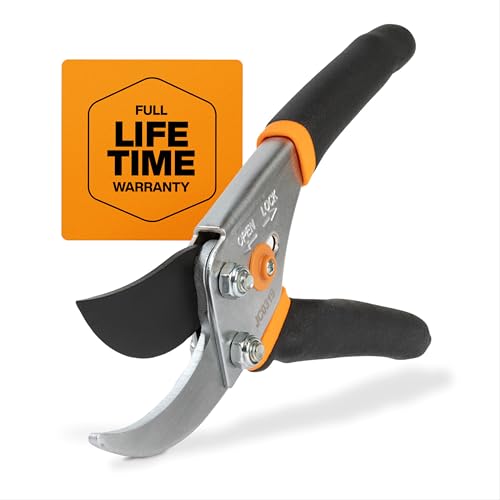
CLEAN CUTS FOR LIVE GROWTH: Bypass blade design is ideal for pruning delicate flower stems and green growth, helping reduce crushing and plant damage while cutting stems and small branches up to 5/8” in diameter
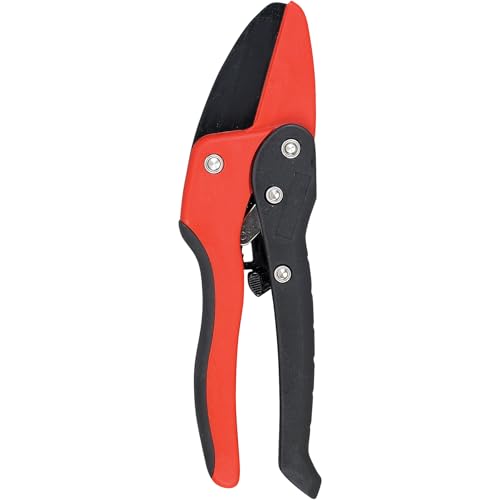
Powerful Ratcheting Cutting Action – Ratchet mechanism cuts in stages to increase leverage, making it easier to trim thicker stems and branches with reduced hand effort and fatigue.

Z922 Anvil Pruner features a 1.5-inch blade with locking mechanism for safe, powerful cuts.
Conclusion
You now have a good understanding of how to make the most out of your anvil pruner. By following the maintenance tips provided and considering the key factors when choosing one, you can ensure smooth and efficient pruning sessions. Remember to keep your pruners clean, well-oiled, and sharp for optimal performance. Select a pruner that suits your needs in terms of cutting capacity, comfort, safety, and adjustability. With the right anvil pruner by your side, gardening tasks will be a breeze, and you’ll achieve precise and clean cuts every time. Happy gardening!
Frequently Asked Questions
How should I maintain an anvil pruner for optimal performance?
Regularly clean blades, oil to prevent rust, check sharpness before each use, adjust tightness, store properly, promptly replace worn-out parts.
What factors should I consider when choosing an anvil pruner?
Cutting capacity, comfort and grip, blade material, safety features, adjustability, brand reputation, budget.
