

Have you ever walked through your garden only to find a broken branch on your beloved fruit tree? It’s a frustrating sight, especially when you think about the delicious fruit it could produce. But don’t worry! You can bring that branch back to life with a few simple steps.
Key Takeaways
- Understanding Causes: Recognize the common causes of broken branches, including weather conditions, pest infestations, and improper pruning.
- Identifying Damage: Learn key indicators of branch health, such as cracks in the bark, color changes, and wilting leaves to assess the severity of damage.
- Essential Tools: Gather necessary tools like pruning shears, loppers, and garden knife to facilitate effective branch repair.
- Step-by-Step Repair: Follow a clear process for repairing branches, including assessing damage, pruning, and applying support.
- Aftercare Importance: Engage in proper aftercare, including adequate watering and fertilization, to support healing and ensure the tree’s health post-repair.
- Monitoring Health: Regularly check for signs of pests and diseases after the repair to maintain the overall health and fruit-bearing potential of your tree.
Understanding Broken Fruit Tree Branches
Broken branches can impact the health of your fruit tree. Knowing the causes and how to spot the damage helps you take the right steps for repair.
Common Causes of Breakage
- Weather Conditions: Strong winds and heavy rain often cause branches to snap.
- Weight of Fruit: Overloaded branches may break under the weight of ripening fruit.
- Pests and Diseases: Infestations or diseases weaken branches, making them prone to breaking.
- Poor Pruning: Inadequate or improper pruning creates weak points, increasing the risk of breakage.
- Tree Age: Older trees may have brittle wood, leading to branch failure.
- Cracks in Bark: Visible cracks indicate structural weakness.
- Discoloration: Browning or blackening at the break may signal decay.
- Wilting Leaves: Drooping or dried leaves often accompany broken branches.
- Sap Leakage: Excessive sap loss suggests severe injury or disease.
- Abnormal Growth: Unusual growth patterns can point to underlying damage or stress.
By identifying these signs and understanding the causes, you can effectively assess the situation and prepare for repairs.
Tools and Materials Needed
To repair broken fruit tree branches effectively, gather the right tools and materials. This preparation makes the repair process efficient and successful.
Recommended Products

[Cut & Hold Pole Pruner for Tree Trimming] This long reach cut and hold pruner makes it easy to grip and remove branches, flowers, or fruit without dropping them. Perfect as a pole fruit picker for harvesting lemons, oranges, apples, or persimmons, and for trimming shrubs and bushes without climbing a ladder.

Durable & Long-Lasting: Crafted from high-quality materials, these fruit tree branch pullers to withstand the rigors of outdoor use season after season. Resistant to rust, weathering, and wear, they provide consistent performance, becoming your go-to tools for maintaining your orchard year after year.
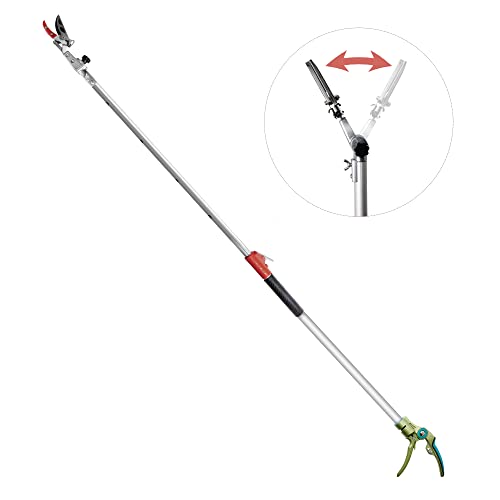
[Helpful Garden Tool] GARTOL brings to you a lightweight and extendable pruning tool to reach out to the least approachable arenas of your garden. You can conveniently get across other plants to remove the fastgrowing brambles and sting nettles without getting scratched or hurt. For gardening lovers, the telescopic pruner cutter head can can be rotated which resolves mobility issues and gives you the pleasure of trimming your garden without bending down or using a ladder to climb and cut them.
Essential Tools for Repair
- Pruning Shears: Use sharp pruning shears for clean cuts. These help reduce further damage to the tree.
- Loppers: Choose loppers for thicker branches. Their long handles provide leverage for cutting larger diameters.
- Hand Saw: Keep a hand saw handy for substantial breaks. This tool ensures you can make clean cuts on thicker branches.
- Garden Knife: A garden knife aids in removing loose bark. It helps smoothen rough edges around the break.
- Gloves: Wear sturdy gardening gloves for protection. Gloves also ensure a secure grip on tools during the repair.
- Tree Wound Sealant: Use wound sealant to protect exposed areas. This helps prevent disease and pest infestations.
- Ammonium Nitrate or Fertilizer: Apply ammonium nitrate or balanced fertilizer to encourage healing. This provides essential nutrients to the damaged tree.
- Soft Bandages or Cloth: Wrap soft bandages around the break. These gently support the branch and encourage natural healing.
- Burlap Strips: Use burlap strips for larger breaks. They provide support and allow airflow to the tree while protecting it.
- Wooden Dowels or Stakes: Insert wooden dowels or stakes for stabilization. These offer additional support until the branch heals.
By gathering these tools and materials, you can effectively repair broken fruit tree branches and help restore your tree’s health and fruit-bearing potential.
Step-by-Step Repair Process
Repairing broken fruit tree branches involves several key steps. By following this guide, you can effectively assess the damage, prune appropriately, and provide the necessary support for recovery.
Recommended Products

LARGE CAPACITY: Includes 17oz (500g) of thick brown tree wound sealer and an application brush for clean, convenient use. Provides ample coverage for pruning cuts, grafting work, tree bark repair, and seasonal tree maintenance. A reliable pruning sealer for home gardens, orchards, landscaping, and everyday tree care

TREE WOUND SEALER FOR PRUNING CUTS: This tree wound sealer forms a flexible coating over pruning cuts, grafting areas, and exposed bark. Designed as a reliable pruning sealer and tree wound dressing, it helps cover freshly trimmed surfaces while supporting routine tree care

PROTECTS PRUNED LIMBS: Tree & Shrub Pruning Seal Spray forms a waterproof protective seal over cuts and damaged areas to help guard trees and shrubs from insects and disease
Assessing the Damage
Assessing the damage is the first step in the repair process. Examine the broken branch closely for cracks, splits, or frayed areas. Look for signs of health issues like sap leakage or discoloration. That’s crucial for determining the severity of the damage. If the break is clean and the bark remains intact, chances of recovery increase. If the damage is extensive, consider removing the branch entirely.
Pruning Broken Branches
Pruning broken branches helps promote healing and improves the tree’s overall structure. Use sharp pruning shears or a hand saw to make clean cuts. Cut just above a healthy bud or lateral branch to encourage new growth. Remove any frayed or peeling bark carefully to prevent infection. Always disinfect your tools between cuts to avoid spreading disease.
Applying Support and Bracing
Applying support and bracing stabilizes the branch until it heals. Use wooden dowels or stakes as supports by inserting them alongside the broken section. Secure the branch gently with soft bandages or burlap strips to provide protection without constricting growth. Consider applying a tree wound sealant to exposed areas to reduce moisture loss. Monitor the repair regularly and adjust the support as needed.
By following these steps, you can aid in the recovery of your fruit tree, enhancing its health and future fruit production.
Aftercare for Repaired Branches
After repairing a broken branch, focus on aftercare to ensure successful healing and growth. This process involves proper watering, fertilization, and monitoring the tree for any signs of stress or pests.
Recommended Products
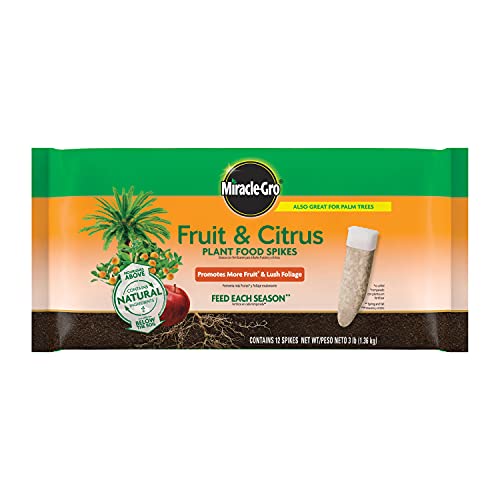
FORMULATED FOR CITRUS AND FRUIT TREES: Use these citrus fertilizer spikes on apple, orange, lemon, lime, and avocado trees; this formula is also great for feeding palm trees

Down to Earth Fruit Tree is a five pound box of all natural fertilizer with 6-2-4 formula and is listed by the Organic Materials Review Institute (OMRI) for use in organic production

Package contains 4 Pounds organic fruit and citrus fertilizer grains and is produced to avoid wasteful runoff, mess, hazards and smells
Watering and Fertilizing
Water deeply but infrequently to promote strong root development. Aim for a consistent schedule, providing about 1 to 2 inches of water weekly, adjusting based on rainfall. Apply a balanced, slow-release fertilizer about a month after the repair. This encourages root growth and overall tree health. For example, a formula like 10-10-10 offers nitrogen, phosphorus, and potassium, supporting vigorous growth. Always follow package instructions for the best results.
Monitoring for Pests and Diseases
Regularly check the tree for any signs of pests or diseases. Look for discolored leaves, abnormal growths, or holes in the bark, which might indicate infestation. If you notice aphids, scale, or webbing, take immediate action using insecticidal soap or neem oil. Keep the area around the base of the tree clean to discourage pests. Additionally, inspect for symptoms of fungal diseases, such as wilted leaves or black spots. Early detection allows for prompt treatment, preserving the health of your fruit tree.
Conclusion
Repairing broken fruit tree branches doesn’t have to be daunting. With a little patience and the right tools you can help your tree bounce back and thrive. Remember to keep an eye on the healing process and provide the necessary aftercare.
By staying vigilant and proactive you’ll not only support your tree’s recovery but also set the stage for a bountiful harvest in the future. Enjoy the journey of nurturing your fruit trees and watching them flourish once again. Happy gardening!
Frequently Asked Questions
How can I tell if my fruit tree branch is broken?
A broken branch typically shows visible cracks, discoloration, wilting leaves, sap leakage, or abnormal growth patterns. Inspect the branch closely for these signs to assess the damage.
What causes branches to break on fruit trees?
Common causes include adverse weather, the weight of fruit, pests and diseases, poor pruning practices, and the age of the tree. Understanding these factors can help prevent future damage.
What tools do I need for repairing broken branches?
You’ll need sharp pruning shears, loppers, a hand saw, a garden knife, protective gloves, tree wound sealant, and soft bandages or burlap strips for support during the repair.
How do I repair a broken fruit tree branch?
Start by assessing the break for cracks. If it’s clean, prune above healthy buds, applying tree wound sealant. Then stabilize the branch with wooden dowels or stakes, using soft bandages for support.
What aftercare is needed for a repaired branch?
Aftercare includes deep but infrequent watering, fertilizing with a balanced fertilizer a month post-repair, and monitoring the tree for signs of stress or pest issues. Prompt action is needed for any problems detected.
