

Ever wondered how to ensure your grapes are not only clean but also safe to eat? Picture this: you bring home a bunch of fresh, juicy grapes from the store, eager to enjoy them. But before you can indulge, you’re faced with the dilemma of how best to wash them.
In this article, we’ll guide you through the simple yet essential process of washing grapes effectively. You might be surprised by the common mistakes many people make when cleaning this popular fruit. By learning what to wash grapes with and how to do it right, you’ll not only enhance their taste but also protect yourself from any potential contaminants lingering on the surface.
Stay tuned as we share practical tips on grape washing that will leave you feeling confident about enjoying nature’s sweet gems without any worries.
Key Takeaways
- Washing grapes is crucial to remove pesticides, chemicals, dirt, and bacteria that can pose health risks.
- Common washing methods include using water only, saltwater solution, and vinegar solution to clean grapes effectively.
- Vinegar solution is effective in removing pesticide residues on grapes compared to water or saltwater.
- Different washing agents may slightly alter the taste of grapes; vinegar solution can add a tangy note while maintaining cleanliness.
- Best practices for washing grapes include rinsing thoroughly, soaking in vinegar solution or saltwater, drying completely before storing, and avoiding washing until consumption.
Importance of Washing Grapes
When it comes to enjoying your grapes, ensuring they are clean is essential. Let’s delve into why washing grapes is crucial for your health and well-being.
Pesticides and Chemicals on Grapes
Grapes are often treated with pesticides and chemicals during the growing process to protect them from pests and diseases. These substances can linger on the surface of the fruit even after harvesting. Washing your grapes helps remove any residues of these potentially harmful substances, safeguarding you from ingesting them.
Health Risks of Unwashed Grapes
Failing to wash your grapes properly can expose you to various health risks. Dirt, bacteria, and other contaminants may be present on the skin of unwashed grapes, which can lead to foodborne illnesses if consumed. By thoroughly washing your grapes before eating them, you reduce the chances of falling ill and ensure a safe snacking experience.
Common Methods to Wash Grapes
When it comes to washing grapes, there are several methods you can use to ensure they are clean and safe for consumption. Here are some common techniques you can try:
Recommended Products
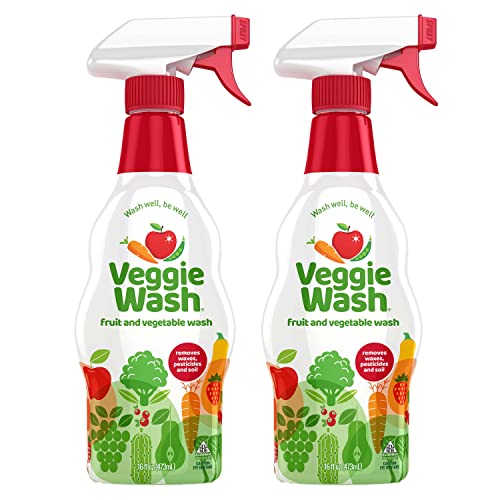
WASH WELL, BE WELL: safely removes wax, soil, agricultural chemicals, and handling residue found on both standard and organic fruits and veggies

CLEAN INGREDIENTS: This fruit and vegetable cleaner is made with clean ingredients and is free from harsh and potentially harmful chemicals. It contains no ammonia, alcohol, SLES, or EDTA.

REFRESHING DRINK MIX - A healthy alternative to your soda or sugary drinks. Just add this fruity juicy concentrate to water, sparkling water, or any beverage!
Using Water Only
Rinsing grapes with water is a simple and effective way to remove dirt, debris, and some pesticides from the surface of the grapes. To wash your grapes using water only:
- Place the grapes in a colander.
- Rinse them thoroughly under cool running water.
- Gently rub the grapes with your fingers to help dislodge any residue.
- Drain excess water before consuming.
Using Salt Water
Saltwater can help remove certain contaminants and microbes from the grape’s skin. Here’s how you can wash your grapes with saltwater:
- Mix 1 part salt with 3 parts water in a bowl.
- Add the grapes to the saltwater solution.
- Let them soak for about 5-10 minutes.
- Rinse the grapes under running water to remove any remaining salt.
Using Vinegar Solution
A vinegar solution is useful for cleaning fruits and vegetables due to its acidic properties that can help kill bacteria and remove wax coatings on produce. To wash your grapes with a vinegar solution:
- Mix equal parts of white vinegar and water in a bowl or container.
- Submerge the grapes in the vinegar solution for around 5-10 minutes.
- Swirl them around gently before rinsing thoroughly under running water.
Comparing Washing Agents
When it comes to washing grapes, different agents can be used to ensure they are thoroughly cleaned. Here’s a comparison of the effectiveness of various washing agents against pesticides and their impact on the taste of the grapes.
Recommended Products

Organ veggie wash bottle 32oz

[JOYLOOP] A GAME CHANGER KITCHEN GADGET: JOYLOOP is an innovative unique kitchen tool that makes hands-free fruit cleaning possible, as well as more easier, visible and healthier. JOYLOOP - new fruit cleaning device, features creative spinning vortex wash mode, to scrub every single fruit quickly and thoroughly

OH ion technology: Put the water proof wireless vegetable cleaning in the water, it will auto electrolyte the water and extra cleaning naturally. Include Fruit, Grain, Meat
Effectiveness Against Pesticides
- Water Only:
- While water alone can help remove some surface dirt and debris from grapes, it may not be as effective in eliminating pesticide residues.
- Saltwater Solution:
- Soaking grapes in a saltwater solution can aid in removing certain pesticides due to its abrasive nature, but it may not eliminate all types of pesticides completely.
- Vinegar Solution:
- A vinegar solution is known for its ability to break down pesticide residues on fruits like grapes effectively. It can be a more potent option compared to water or saltwater.
- Water Only:
- Washing grapes with water alone is unlikely to alter their taste significantly, maintaining the natural flavor profile of the fruit.
- Saltwater Solution:
- Grapes washed with a saltwater solution might have a slightly salty taste lingering on their skin after washing, which could affect the overall flavor subtly.
- Vinegar Solution:
- Using a vinegar solution to wash grapes may impart a slight tangy or acidic note to the fruit, altering its taste slightly compared to using water or saltwater alone.
By understanding how different washing agents compare in terms of pesticide removal and potential taste alterations, you can choose the method that best suits your preferences while ensuring your grapes are clean and safe for consumption.
Best Practices for Washing Grapes
When it comes to washing grapes, following the best practices ensures that you can enjoy them safely. Here are some tips to help you wash and store your grapes effectively.
Steps to Properly Wash Grapes
- Rinse Thoroughly: Start by rinsing your grapes under running water. This helps remove dirt, debris, and some pesticides from the surface.
- Soak in Vinegar Solution: For a more thorough clean, soak the grapes in a solution of water and vinegar. Mix one part vinegar with three parts water and let the grapes sit for a few minutes before rinsing again.
- Consider Saltwater Soak: Another option is soaking the grapes in saltwater. This can help reduce certain pesticides present on the skin of the grapes.
- Final Rinse: After soaking, give the grapes a final rinse under running water to ensure all cleaning agents are washed off.
- Dry Completely: Make sure to dry the washed grapes completely before storing them. Excess moisture can lead to mold growth.
- Use Airtight Containers: Store your washed and dried grapes in airtight containers or resealable bags in the refrigerator.
- Avoid Washing Until Use: It’s best not to wash grapes until you’re ready to eat them as excess moisture after washing can shorten their shelf life.
By following these steps and tips, you can effectively wash and store your grapes while maintaining their quality and ensuring they are safe to consume.
Conclusion
You’ve learned the importance of washing grapes to ensure their safety and discussed various methods like water, saltwater, and vinegar solutions. By understanding the risks associated with pesticides and contaminants, you can make informed choices when cleaning your grapes. Remember to rinse thoroughly, consider a vinegar soak, dry completely, and store in airtight containers for optimal freshness. Following these simple steps will help maintain the quality of your grapes while keeping them safe to eat. Happy grape washing!
Frequently Asked Questions
Why is washing grapes important?
Washing grapes is crucial to remove pesticides, contaminants, and dirt that may be present on the surface. It helps ensure that the grapes are safe to eat.
How can I effectively wash grapes?
You can wash grapes effectively by rinsing them thoroughly under running water, soaking them in a vinegar solution for a few minutes, or considering a saltwater soak to help remove residues.
What are the benefits of using water, saltwater, or vinegar solutions for washing grapes?
Water helps remove visible dirt and debris while saltwater and vinegar solutions can help eliminate pesticides and contaminants present on the grape skin.
What should I do after washing grapes?
After washing grapes, make sure to give them a final rinse under running water, dry them completely before storage, and consider using airtight containers for keeping them fresh longer.
Should I wash grapes before storing them?
It’s recommended not to wash grapes until you’re ready to use them as washing beforehand can lead to faster spoilage.
