

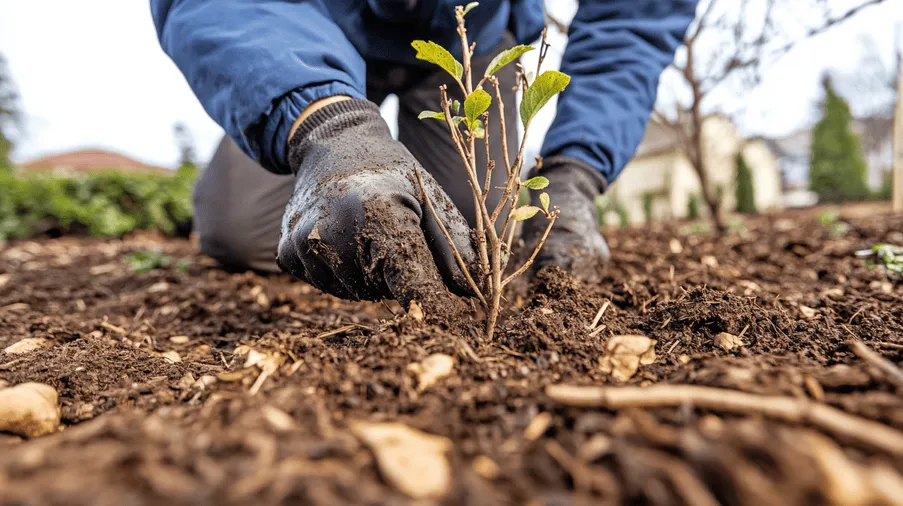
First time I went to prune my new apple tree, I stood there holding them shears, feeling all shaky. Didn’t wanna ruin the little guy, you know, I’d already got so fond of it. Heard pruning was real important for young fruit trees to grow good and give lots of fruit, so I knew I had to try.
Took me a couple seasons messing up, getting some tips from my old gardening buddy, but I figured out it ain’t so bad. You do it right, your tree’s gonna grow strong, give you tons of fruit for years.
If you’re into gardening like me and wanna help your young fruit trees get a good start, I’ll show you how I do it, step by step. Let’s get going.
Why Pruning Young Fruit Trees Matters
Feels kinda mean cutting on your tree, I’ll tell you what, but it’s one of the best things you can do for it. Young fruit tree, maybe in its first three or five years, it’s like a little kid trying to figure out growing up. Don’t guide it, it might just shoot up all tall and skinny, or get branches all crossed up, rubbing together, making a mess later on. Pruning’s how you shape it, make them branches strong, so it can hold lots of heavy fruit when it’s older.
Me, I learned this the tough way with my first peach tree, didn’t prune it at all that first year. Thought it needed to grow as much as it could. Next spring, oh man, branches everywhere, all tangled, had to do a big cleanup to fix it. You prune early, you don’t gotta deal with that mess. Also lets more sun and air get in the tree, keeps away stuff like powdery mildew, that nasty disease. And a tree that’s pruned good, way easier to pick fruit from when it’s time. Let’s talk how to do it right.
When to Prune Your Young Fruit Trees
Gotta pick the right time to prune, or you might hurt your tree bad. I found out late winter or early spring works best for most fruit trees, like apples, pears, peaches, cherries. That’s before the buds start coming out, but after it ain’t so cold no more. Where I’m at, that’s around late February, maybe early March. Tree’s still sleeping then, so it don’t get all upset, and you can see the branches good without leaves blocking your view.
I messed up once, pruned my cherry tree in the fall, thought it wouldn’t matter. Big mistake. The cuts got wet from rain, and the tree got sick, didn’t grow much the next year. So stick to late winter, you’ll be fine. If you live somewhere warmer, might need to change the time a bit, but just make sure the tree ain’t growing yet when you start cutting.
Tools You’ll Need for Pruning
You need some tools before you start cutting, ‘cause I tried using my old kitchen scissors once, and it was a disaster. Couldn’t even cut through a tiny branch, got me so mad. Now I got the right stuff, makes it way easier. Here’s what I use.
- Hand pruners: Good for small branches, like half an inch thick. I got a pair with a red handle, so I don’t lose them in the yard.
- Loppers: For bigger branches, maybe up to an inch, loppers are the way to go. They’re like big scissors with long handles, don’t make your hands hurt.
- Pruning saw: If the branch is real thick, like more than an inch, you need a pruning saw. It’s small, fits in tight spots, don’t hurt the tree.
- Gloves and safety glasses: I skipped gloves the first time, got scratches all over my hands. Glasses are good too, keep stuff outta your eyes.
Make sure them tools are clean, I wipe mine with rubbing alcohol so I don’t spread no germs to my trees. Sharp tools cut better, heal faster too.
Recommended Products
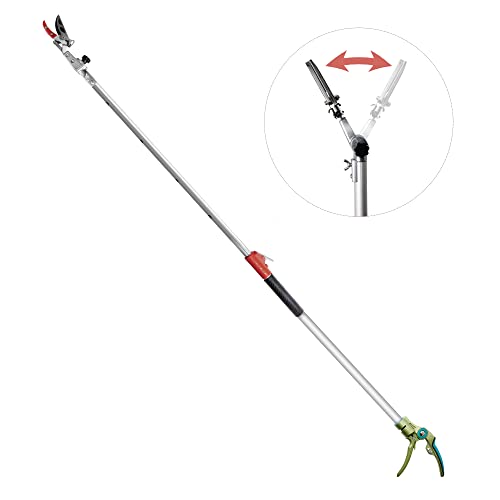
[Helpful Garden Tool] GARTOL brings to you a lightweight and extendable pruning tool to reach out to the least approachable arenas of your garden. You can conveniently get across other plants to remove the fastgrowing brambles and sting nettles without getting scratched or hurt. For gardening lovers, the telescopic pruner cutter head can can be rotated which resolves mobility issues and gives you the pleasure of trimming your garden without bending down or using a ladder to climb and cut them.

[Cut & Hold Pole Pruner for Tree Trimming] This long reach cut and hold pruner makes it easy to grip and remove branches, flowers, or fruit without dropping them. Perfect as a pole fruit picker for harvesting lemons, oranges, apples, or persimmons, and for trimming shrubs and bushes without climbing a ladder.
Step One and Start with the Basics
When you’re pruning a young fruit tree, you wanna make a strong shape for when it grows up. First thing, look at your tree real close. Think about what shape you want. Most fruit trees do good with an open center or a central leader shape, depends on the kind.
Peaches and plums, they like an open center. That’s where you pick three or four main branches that spread out, keep the middle open so sun can get in. Apples and pears, they do better with a central leader, one main trunk with branches coming off the sides at different spots.
Start by finding branches that are broke, dead, or look sick. Cut them off. I had a branch on my apple tree, felt all dry and crackly, knew it was dead, so I snipped it. Use your pruners or loppers, cut just above a bud or where the branch meets the trunk. Don’t leave a little piece sticking out, but don’t cut too close to the trunk neither. You want a clean cut, helps the tree heal quick.
Step Two and Remove Problem Branches
Next, look for branches that are making trouble. Ones that cross or rub against each other, they gotta go, ‘cause they can make scratches, let bugs or diseases in. Found some on my pear tree last year, could see the bark getting all messed up from the rubbing.
Also check for branches growing straight up, they’re called water sprouts, or ones going straight down. They don’t help the tree none. I had a water sprout on my peach tree, grew like two feet in one summer, thought it was cool, but it wasn’t good, so I cut it off. Branches going down, they’re no good either, get rid of them.
You also gotta see if any branches are too close together. Main branches should be spread out nice, like 6 to 12 inches apart up and down the trunk. Two branches too close, keep the better one, cut the other. I didn’t wanna do this at first, thought more branches meant more fruit, but nope, better to have less that are strong.
Step Three and Shape the Tree for Strength
Now that you got the bad branches out, time to shape your tree. For an open center shape, pick three or four strong branches to be your main ones. They should grow out from the trunk at about a 45-degree angle, spaced out even around the tree. Had to cut a few extra branches on my peach tree to make this work, but it helped the tree grow better the next year.
For a central leader shape, pick a tall, straight branch to be the main trunk. Then choose side branches that grow out at wide angles, like 60 to 80 degrees from the trunk. Them angles make the branches strong, can hold fruit later. Had a branch on my apple tree growing almost flat, thought it was fine, but my buddy said it might break with apples on it, so I cut it back to a bud pointing out, new branch grew at a better angle.
If your tree’s real young, like one or two years old, might need to cut the main branches back a little. I cut mine back by about a third, just above a bud facing out. Helps the tree focus on making a strong frame, not growing too tall too fast.
Step Four and Don’t Overdo It
Biggest mistake I made early on, pruned too much at once. Got all excited with my cherry tree, took off almost half the branches, thought it’d grow back stronger. Didn’t happen. Tree got stressed, barely grew that year. Good rule, don’t take off more than a quarter of the branches in one go. You wanna guide the tree, not shock it.
Not sure if you should cut a branch, leave it for now. You can always come back next year, take another look. Pruning’s something you do every year, don’t gotta be perfect the first time. I take my time now, step back a lot to look at the tree from different spots, stop if I’m not sure.
After Pruning and Care Tips
When you’re done pruning, your tree might look kinda bare, don’t worry. It’s ready to grow stronger than ever. I like giving my trees a little extra care after pruning, helps them recover. Water them good if the soil’s dry, add some mulch around the base to keep the roots moist. I use wood chips, but straw or compost works too. Just don’t pile the mulch right up against the trunk, might cause rot.
If you pruned in late winter, don’t need to fertilize right away. Wait ‘til the tree starts growing in the spring, then give it a balanced fertilizer, like a 10-10-10, to help new growth. I keep an eye on my trees for a few weeks after pruning, make sure they ain’t showing stress, like wilting leaves or no new growth. Something looks off, I check my cuts, make sure I didn’t miss nothing.
Recommended Products

Down to Earth Fruit Tree is a five pound box of all natural fertilizer with 6-2-4 formula and is listed by the Organic Materials Review Institute (OMRI) for use in organic production

High-Quality Non-Woven Fabric: Crafted from top-tier felt, these tree ring mulch mat offer long-lasting performance, ensuring optimal care for your trees.Before purchasing, please be aware of the hardness of this type of non-woven felt mat, which is different from the wooden tree ring

Let our professionally formulated plant food help your fruit tree grow healthy, strong AND abundantly producing
Wrapping It Up: Pruning for a Bright Future
Pruning young fruit trees might seem scary at first, but it gets easier the more you do it. You shape your tree early, you’re setting it up for years of good growth, lots of fruit. I’ve seen it in my own orchard, my apple tree I was so nervous to prune that first year, it’s growing great now, got a strong frame, ready to hold plenty of apples.
Take your time, start small, learn as you go. Your trees will thank you. What kind of fruit trees you growing? I’d love to hear how your pruning goes. Happy gardening!
