

Have you ever wondered why some fruit trees thrive while others struggle? A big part of the answer lies in how you prune them, especially as winter approaches. Proper pruning not only shapes your trees but also promotes healthy growth and improves fruit production for the coming seasons.
As winter sets in, many gardeners face the challenge of preparing their fruit trees for the cold months ahead. You might be unsure about which branches to trim or when to make the cuts. This article will guide you through the essential steps to effectively prune your fruit trees, ensuring they stay healthy and productive. By following these tips, you’ll set your trees up for success come spring.
Key Takeaways
- Understand the Importance of Winter Pruning: Pruning during the dormant winter months is crucial for promoting healthy growth, improving fruit production, and reducing the risk of diseases.
- Pruning Benefits: Proper pruning enhances airflow, boosts new growth, strengthens tree structure, and allows for easier maintenance, setting trees up for success in spring.
- Essential Tools: Use the right tools including pruning shears, loppers, pruning saws, and safety gear like gloves and goggles to ensure safe and effective pruning.
- Step-by-Step Process: Assess tree health, identify branches to prune, and make cuts at a 45-degree angle while avoiding over-pruning to maintain tree vitality.
- Timing Matters: Prune fruit trees in mid-winter for the best results, considering the type of tree and local climate to ensure optimal growth and fruit production come spring.
Understanding Winter Pruning
Winter pruning plays a crucial role in maintaining the health and productivity of your fruit trees. As trees enter dormancy during the winter months, this time allows you to assess their structure and promote better growth for the coming spring.
Importance of Pruning in Winter
Pruning in winter shapes your trees for optimal sun exposure and air circulation. By removing dead, damaged, or diseased branches, you reduce the risk of infestations and diseases. This process also encourages new growth, allowing your trees to focus energy on producing healthy fruit. It’s essential to prune when trees are dormant, as this minimizes stress and promotes recovery.
Benefits for Fruit Trees
Pruning your fruit trees during winter offers several advantages:
- Enhanced Growth: Removing older branches encourages new growth, boosting fruit production.
- Improved Airflow: Thinning out crowded branches improves airflow and sunlight penetration, reducing the risk of fungal infections.
- Stronger Structure: Pruning focuses growth in a way that strengthens the tree’s structure, making it more resilient to harsh winter conditions.
- Easier Maintenance: Access to the tree is simpler during winter when other foliage is gone, making it easier to prune effectively.
Engaging in winter pruning sets the stage for healthier trees come spring, ready to flourish and bear fruit.
Tools and Equipment Needed
Having the right tools makes pruning easier and more effective. Gather the following items before you start.
Recommended Products

IDEAL BRANCH TRIMMER: Tree pruner that extends from 7.9 to 12 feet; Lightweight aluminum pole weighing less than five pounds to help minimize fatigue; Ideal for cutting high branches, or making low cuts without bending or kneeling

LONG-LASTING SHARPNESS: Japanese SK5 bypass blade with titanium coating is tested through 5,000 cuts to maintain a sharp edge and deliver clean, consistent cuts on live stems and branches

【4-in-1 Pole Saw and Pruner Kit】Combines electric pruning shears, a 6-inch cordless pole saw, telescopic extension pole, and 2 batteries into one complete tree trimming kit. Use the pruning shears with pole to reach high branches, or detach the tools for low shrubs, thin twigs, and ground-level branch cutting. The telescoping pole extends up to 9.5 ft, helping homeowners trim trees without ladders and making yard maintenance safer, faster, and easier.
Essential Pruning Tools
- Pruning Shears: Use sharp, bypass pruning shears for small branches under ¾ inch in diameter. These shears provide clean cuts that help prevent branch damage.
- Loppers: Choose loppers for branches between ¾ inch and 2 inches thick. Their long handles give you extra leverage for cutting tough branches.
- Pruning Saw: A pruning saw is necessary for larger branches over 2 inches thick. Opt for a folding saw for easy handling and storage.
- Pole Pruner: For high branches, consider a pole pruner. This tool lets you reach areas without the need for a ladder.
- Garden Knife: Keep a garden knife handy for making clean cuts in tight spots or for removing dead tissue.
- Gloves: Wear sturdy gardening gloves to protect your hands from thorns and sharp branches. Look for gloves with grip to avoid slipping.
- Safety Glasses: Protect your eyes from flying debris by wearing safety glasses. This is especially important when using saws or loppers.
- Hard Hat: If you’re pruning high branches, a hard hat can safeguard your head from falling limbs.
- Steel-Toed Boots: Choose steel-toed boots for added protection during pruning. These can prevent injury from falling tools or branches.
Equipping yourself with these tools and gear ensures safe and effective pruning for your fruit trees.
Step-by-Step Pruning Process
Pruning fruit trees involves specific steps to ensure healthy growth and productivity. Follow these instructions closely for the best results.
Recommended Products

PROFESSIONAL GARDENING GRAFTING TOOLS: Including 2 in 1 grafting pruning tools, 3 replaceable blades, a grafting knife, a screwdriver, a wrench, 2 grafting films, 160 rubber bands, 40 wide rubber bands, and 50 colorful tag cards

★ 1. What you get: Professional convenient grafting tool set including a dual-use grafting pruner tool contain 2 extra replaceable blades, a wrench and a screwdriver, along with 36pcs wide rubber bands, 150 thick rubber bands and 1 grafting tape, packed in a black wallet to meet all your needs

✂Multifunctional -2 in 1 Garden Grafting Tools-Professional grafting set allows you to pruning and grafting at the same time, saving more time and effort than traditional grafting methods, easy to use and more efficient. It allows you to trim away excess leaves and twigs and prepare the plants to be grafted. At the same time, you can make a precise cut into the grafting stock with the special grafting blade.
Assessing the Tree’s Health
- Check for signs of disease. Look for spots, discoloration, or unusual growth patterns on leaves and bark.
- Evaluate branch structure. Observe if the branches are crossing, crowded, or damaged.
- Inspect the roots. Gently dig around the base to identify any visible root rot or pests.
Identifying What to Prune
- Remove dead or diseased branches. Cut right at the base of the unhealthy section.
- Thin out crowded branches. Ensure adequate space between branches for improved airflow and sunlight penetration.
- Shorten long branches. This promotes growth for new fruiting wood where fruit will develop next season.
- Use the right tools. Utilize sharp bypass pruning shears for small branches, loppers for medium branches, and pruning saws for larger ones.
- Cut at an angle. Make cuts at a 45-degree angle to prevent water accumulation and encourage faster healing.
- Don’t over-prune. Aim to remove no more than 25% of the tree’s overall structure in a single session to avoid stress.
Engaging in these steps maintains your trees’ health and prepares them for fruitful growth come spring.
Timing Your Pruning
Timing plays a critical role in effective winter pruning of fruit trees. Pruning these trees at the right time promotes healthier growth and encourages fruit production in the spring.
Recommended Products
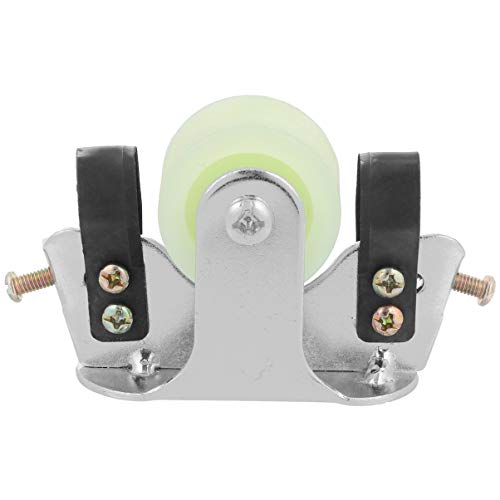
Core Girdling Action: This Girdling Cutter for Fruit Tree removes a ring of bark to help redirect nutrients upward after the wound heals, supporting flower bud formation and fruit set while giving growers a practical Peeling Pruning Tool for seasonal orchard care

Package Includes: Come with 24 pieces of fruit branch forms stronger branches. which can be used to pull the branches flat, and fruit trees can absorb sunlight, ventilation and fruitfulness.
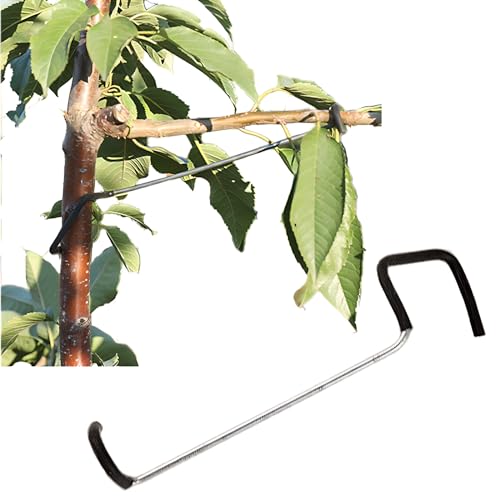
【Not Easy to Damage the Bark】The black part of the branch spreader consists of galvanized iron wire wrapped with the inside of a hose to ensure that the bark does not fray easily. The branch spreader can be reused after removal.
Best Time to Prune
Pruning fruit trees during dormancy, typically from late fall to early spring, yields the best results. Aim for mid-winter months when trees are fully dormant. This period allows for a clear view of the tree’s structure, making it easier to identify which branches to prune. For best outcomes, prune in February or March before buds swell.
Factors Affecting Timing
Consider the following factors when determining the optimal time for pruning:
- Tree Type: Different fruit trees have varying dormancy schedules. Apples and pears are best pruned in late winter, while stone fruits like cherries and peaches may benefit from early spring pruning.
- Local Climate: Adjust pruning times according to your region’s climate. Warmer regions may see earlier budding, warranting pruning earlier to prevent damage.
- Tree Health: Inspect the health of your trees. For trees that show signs of disease or pest issues, prune during dormancy to minimize the risk of spreading problems.
- Weather Conditions: Avoid pruning during extreme cold snaps or wet weather. Trees are more vulnerable when the ground is frozen or there’s snow.
Pruning fruit trees with attention to timing lays the groundwork for a robust spring growth, ensuring your trees thrive and yield fruit when the season returns.
Conclusion
Pruning your fruit trees during winter is a rewarding task that sets the stage for a bountiful spring. By following the right techniques and using the proper tools you can enhance your trees’ health and productivity. Remember to assess your trees carefully and make thoughtful cuts to promote strong growth.
As you prepare for the colder months take pride in knowing that your efforts will lead to vibrant blossoms and delicious fruit when the warmer weather arrives. With each snip you’re not just shaping your trees but also nurturing their potential. Enjoy the process and look forward to the fruits of your labor in the seasons to come.
Frequently Asked Questions
Why is winter pruning important for fruit trees?
Winter pruning is crucial because it allows gardeners to assess tree structure while trees are dormant. This process optimizes sunlight exposure, promotes better airflow, and reduces the risk of diseases. Proper pruning enhances growth and prepares trees for a productive spring.
When is the best time to prune fruit trees?
The best time to prune fruit trees is during their dormant period, typically from late fall to early spring. Mid-winter is ideal as it provides clear visibility of the tree’s structure, making it easier to identify which branches to prune.
What tools are necessary for pruning fruit trees?
Essential tools for pruning include sharp bypass shears for small branches, loppers for medium branches, and a pruning saw for larger ones. A pole pruner helps with high branches, and a garden knife is useful for tight spots. Don’t forget safety gear!
How should I make pruning cuts?
Pruning cuts should be made at a 45-degree angle to prevent water accumulation, which can lead to rot. It’s also important not to remove more than 25% of the tree’s overall structure in one session to maintain its health and vitality.
What signs indicate that I need to prune my fruit trees?
Signs that indicate the need for pruning include dead or diseased branches, crowded or intersecting limbs, and excessively long branches that can hinder new growth. Regular assessments help to ensure trees remain healthy and productive.
