
Close Menu
    Fruit Tree Hub
    • Home
    • Apple Trees
    • Lemon Trees
    • Mango Trees
    • Orange Trees
    • More Trees
      • Best Fruit Trees
      • Apricot Trees
      • Cherry Trees
      • Fig Trees
      • Lime Trees
      • Mulberry Trees
      • Peach Trees
      • Pear Trees
      • Plum Trees
      • Pomegranate Trees
    • Tips and Advice
      • Tools
    • About Us
      • Contact
      • Privacy Policy
    Fruit Tree Hub
    Home»Climbing Fruit»Blackberry»Winter Blackberry Pruning: A Step-by-Step Guide for Enhanced Fruit Production
    Blackberry

    Winter Blackberry Pruning: A Step-by-Step Guide for Enhanced Fruit Production

    Lucy SmithBy Lucy SmithAugust 22, 20247 Mins Read
    Share Facebook Twitter Pinterest WhatsApp Email
    Share
    Facebook Twitter LinkedIn Pinterest Telegram Email

    Are your blackberry bushes looking unruly and overgrown this winter? Wondering how to give them the care they need for a bountiful harvest next season? Picture this: you step into your garden on a crisp winter morning, armed with pruning shears, ready to shape your blackberry plants for optimal growth. But where do you start?

    Contents show
    1 Key Takeaways
    2 Understanding the Importance of Winter Pruning for Blackberries
    2.1 Why Winter Is the Ideal Time for Pruning
    2.2 Benefits of Pruning Blackberries in Winter
    3 Tools and Preparation for Winter Blackberry Pruning
    3.1 Essential Tools for Effective Pruning
    3.2 Preparing Your Blackberry Plants for Pruning
    4 Step-by-Step Guide to Pruning Blackberries in Winter
    4.1 Assessing Your Blackberry Plant’s Needs
    4.2 Key Techniques for Proper Pruning
    5 Common Mistakes to Avoid When Pruning Blackberries
    5.1 Over-Pruning and Its Impacts
    5.2 Neglecting Plant Health and Safety
    6 Conclusion
    7 Frequently Asked Questions
    7.1 1. Why is winter pruning important for blackberry bushes?
    7.2 2. What tools are needed for winter blackberry pruning?
    7.3 3. What preparatory steps should be taken before starting the pruning process?
    7.4 4. What are the key techniques involved in winter blackberry pruning?
    7.5 5. What common mistakes should be avoided when pruning blackberries?

    In this article, we’ll guide you through the simple yet essential steps of pruning blackberries in winter. By understanding the benefits of proper pruning, you’ll set the stage for healthier plants and juicier berries come summertime. Stay tuned to discover expert tips that will help you master the art of winter pruning and ensure a fruitful yield from your beloved blackberry patch.

    Key Takeaways

    • Winter is the ideal time for pruning blackberry bushes as plants are dormant, making it easier to assess and promote growth.
    • Pruning in winter stimulates new cane growth, increases fruit production, improves air circulation, and enhances berry size and quality.
    • Essential tools for effective blackberry pruning include pruning shears, loppers, gloves, protective clothing, and safety goggles.
    • Before pruning, inspect canes for disease or damage, sanitize tools, choose the right time (late winter), and plan cuts based on cane age and health.
    • Proper techniques like selective pruning, cutting at a 45-degree angle above healthy buds, thinning out canes evenly, and timing in late winter are crucial for successful pruning.
    • Common mistakes to avoid include over-pruning that can reduce yields and neglecting plant health/safety by using dull tools or not being mindful of thorns.
    MUST READ
    Grow Bigger Blackberries: Expert Tips for Maximizing Yield and Size

    Understanding the Importance of Winter Pruning for Blackberries

    Winter is a crucial time for pruning blackberry bushes to ensure a bountiful harvest in the upcoming season. Let’s delve into why winter is the ideal time for pruning and explore the benefits it offers.

    Why Winter Is the Ideal Time for Pruning

    Pruning blackberries in winter is optimal as the plants are dormant during this period. Dormancy means that the plants have stopped actively growing, making it easier to assess their structure and health. By pruning in winter, you set the stage for robust growth when spring arrives. It also helps remove dead or diseased canes, promoting overall plant health.

    Benefits of Pruning Blackberries in Winter

    Pruning blackberries during winter offers multiple benefits. It stimulates new growth by encouraging more canes to develop, leading to increased fruit production. Additionally, proper pruning allows better air circulation around the plant, reducing the risk of diseases like powdery mildew. Removing old canes also directs more nutrients to newer canes, resulting in larger and juicier berries come harvest time.

    By understanding why winter is the best time for blackberry pruning and recognizing its benefits, you’ll be well-equipped to master this essential practice for a thriving blackberry patch.

    Tools and Preparation for Winter Blackberry Pruning

    When it comes to pruning your blackberry bushes in winter, having the right tools is essential. Here’s what you need to ensure effective pruning:

    Recommended Products
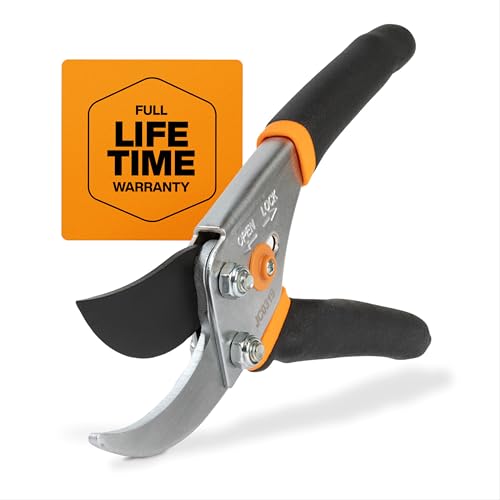
    Fiskars Bypass Pruning Shears, 5/8" Cut Capacity Gardening Scissors, Self-Cleaning Sap Groove Prevents Sticking, Non-Slip Grip for Cutting Stems & Branches, Sharp Steel Blades w/ Low-Friction Coating
    Fiskars Bypass Pruning Shears, 5/8" Cut Capacity Gardening Scissors, Self-Cleaning Sap Groove Prevents Sticking, Non-Slip Grip for Cutting Stems & Branches, Sharp Steel Blades w/ Low-Friction Coating

    CLEAN CUTS FOR LIVE GROWTH: Bypass blade design is ideal for pruning delicate flower stems and green growth, helping reduce crushing and plant damage while cutting stems and small branches up to 5/8” in diameter

    MUST READ
    Planting Blackberries in the Fall: A Complete Guide for Successful Growth and Harvest
    VIEW LATEST PRICE

    As an affiliate, we earn on qualifying purchases.

    DECERK® 8.5" Professional Pruning Shears - Cuts 4X Easier with Ultra Sharp Japanese Steel Titanium Blade, Arthritis Friendly Garden Scissors & Plant Clippers, Effortlessly Prunes 3/4" Branches
    DECERK® 8.5" Professional Pruning Shears - Cuts 4X Easier with Ultra Sharp Japanese Steel Titanium Blade, Arthritis Friendly Garden Scissors & Plant Clippers, Effortlessly Prunes 3/4" Branches

    Unbreakable sharpness! Japanese SK5 steel blade with titanium coating endures 100,000 cuts. Built for lifelong clean cuts

    VIEW LATEST PRICE

    As an affiliate, we earn on qualifying purchases.

    VIVOSUN 6.5 Inch Gardening Scissors Hand Pruner Pruning Shear with Straight Stainless Steel Blades Orange 1-Pack
    VIVOSUN 6.5 Inch Gardening Scissors Hand Pruner Pruning Shear with Straight Stainless Steel Blades Orange 1-Pack

    Reduce Hand Strain: These micro tip snips are made to reduces hand fatigue which makes them great for those with arthritis, carpal tunnel, hand or wrist issues; Comfortable “grip” handles will make it easy to work for long-time use without making you feel hand pain

    VIEW LATEST PRICE

    As an affiliate, we earn on qualifying purchases.

    Essential Tools for Effective Pruning

    1. Pruning Shears: Invest in a good pair of sharp pruning shears to make clean cuts without causing damage to the plant.
    2. Loppers: For thicker canes, loppers are handy tools that provide extra leverage for cutting through tougher branches.
    3. Gloves: Protect your hands with sturdy gloves to shield them from thorns and rough plant surfaces.
    4. Protective Clothing: Wear long sleeves and pants to safeguard your skin while working among prickly blackberry bushes.
    5. Safety Goggles: Shield your eyes from debris and potential harm by wearing safety goggles during pruning.

    Preparing Your Blackberry Plants for Pruning

    Before you start pruning your blackberry plants, take these preparatory steps:

    1. Inspect the Canes: Check each cane carefully for signs of disease, damage, or old age before deciding which ones to prune.
    2. Sanitize Your Tools: Disinfect your pruning tools with a solution of one part bleach to nine parts water to prevent the spread of diseases between plants.
    3. Choose the Right Time: Aim to prune during late winter when the plant is dormant but before new growth begins in early spring.
    4. Plan Your Cuts: Identify which canes need removal based on their age, health, and productivity before making any cuts.
    MUST READ
    How to Grow Chester Blackberries: A Complete Guide for Successful Cultivation

    By ensuring you have the necessary tools and preparing your blackberry plants correctly for winter pruning, you set yourself up for a successful and bountiful harvest in the upcoming season.

    Step-by-Step Guide to Pruning Blackberries in Winter

    Winter is the ideal time to prune your blackberry bushes for a bountiful harvest. Follow these simple steps to ensure your plants thrive and produce an abundance of delicious berries.

    Recommended Products

    Fiskars SoftGrip Bypass Pruning Shears, 5/8” Cut Capacity Gardening Scissors for Right and Left-Handed Use, Steel Blade with Low Friction Coating, Rust Resistant Garden Clippers for Stems & Branches
    Fiskars SoftGrip Bypass Pruning Shears, 5/8” Cut Capacity Gardening Scissors for Right and Left-Handed Use, Steel Blade with Low Friction Coating, Rust Resistant Garden Clippers for Stems & Branches

    AMBIDEXTROUS DESIGN: Pruner shape is designed for both right and left-handed use while pruning indoor & outdoor plants such as shrubs, ornamental trees, vines, & flowers like roses; SoftGrip handle reduces hand fatigue & enhances comfort and control

    VIEW LATEST PRICE

    As an affiliate, we earn on qualifying purchases.

    STAYGROW 2pcs 6.5" Pruning Shears for Gardening, Ultra Sharp Garden Scissors for Precise Cuts, Stainless Steel Bonsai Clippers with Spring Loaded, 6.5 Inch Garden Shears (1pc Straight & 1pc Curved)
    STAYGROW 2pcs 6.5" Pruning Shears for Gardening, Ultra Sharp Garden Scissors for Precise Cuts, Stainless Steel Bonsai Clippers with Spring Loaded, 6.5 Inch Garden Shears (1pc Straight & 1pc Curved)

    Well-Designed & Easy-to-Use: These gardening scissors are built spring-loaded so that they automatically push themselves open without you having to do the work, significantly reducing hand fatigue

    VIEW LATEST PRICE

    As an affiliate, we earn on qualifying purchases.

    Kynup 8.6" Professional Pruning Shears for Gardening, SK5 Stainless Steel Garden Hand Pruners for Heavy Duty Clean Cuts 4X Easier, Garden Scissors for Arthritis Left Handed, Secure Safety Lock
    Kynup 8.6" Professional Pruning Shears for Gardening, SK5 Stainless Steel Garden Hand Pruners for Heavy Duty Clean Cuts 4X Easier, Garden Scissors for Arthritis Left Handed, Secure Safety Lock

    · ULTRA-SHARP SK5 STAINLESS STEEL - Engineered with premium SK5 stainless steel, these heavy duty pruning shears deliver razor-sharp precision and maximum hardness. The rust-resistant blades are designed to stay sharp longer, effortlessly resisting corrosion and sap buildup for smooth, friction-free garden shears performance year after year.

    MUST READ
    Blackberry Growing Guide in Georgia: Tips for Successful Cultivation
    VIEW LATEST PRICE

    As an affiliate, we earn on qualifying purchases.

    Assessing Your Blackberry Plant’s Needs

    Before you begin pruning, take a close look at your blackberry plant to determine its specific requirements. Look for:

    1. Dead Canes: Identify and remove any dead or diseased canes to prevent the spread of infections.
    2. Weak Growth: Trim back any weak or spindly growth to encourage stronger canes.
    3. Overcrowding: Thin out overcrowded areas to improve air circulation and sunlight penetration.
    4. Height: Consider the desired height of your blackberry bush and prune accordingly.

    Key Techniques for Proper Pruning

    Follow these essential techniques for successful winter pruning of your blackberry bushes:

    1. Selective Pruning: Focus on removing old, damaged, or unproductive canes while retaining healthy ones.
    2. Cutting Angle: Make clean cuts at a 45-degree angle just above a healthy bud to promote new growth.
    3. Thinning Out: Space out remaining canes evenly to prevent overcrowding and encourage better fruiting.
    4. Timing: Prune during late winter when the plant is dormant but before new growth begins.

    By assessing your plant’s needs and applying proper pruning techniques, you’ll set the stage for a fruitful growing season with abundant blackberry harvests.

    Common Mistakes to Avoid When Pruning Blackberries

    When it comes to pruning your blackberry bushes in winter, there are some common mistakes you should steer clear of to ensure the health and productivity of your plants. Here are a few pitfalls to avoid:

    Over-Pruning and Its Impacts

    Over-pruning your blackberry bushes can have detrimental effects on their growth and fruit production. It’s essential not to get carried away with cutting back canes, as this can lead to reduced yields and weaker plant vitality. Remember, a balanced approach is key when pruning blackberries in winter.

    Neglecting Plant Health and Safety

    Neglecting the health and safety of your blackberry plants during pruning can result in long-term damage. Make sure you use sharp, clean tools to avoid introducing diseases into the plants. Additionally, be mindful of thorns while working on pruning tasks to prevent injuries that could harm both you and the bushes.

    MUST READ
    Are Blackberries a Bush or Vine? Understanding Growth Patterns and Cultivation Tips

    By being aware of these common mistakes and taking proactive steps to avoid them, you’ll set yourself up for successful blackberry pruning sessions that benefit both your plants’ well-being and future fruit harvests.

    Conclusion

    That’s it! Winter pruning for your blackberry bushes is essential for a bountiful harvest and healthy plants. By following the steps outlined in this guide, you can ensure that your blackberries thrive and produce delicious fruit. Remember to use the right tools, assess your plant’s needs, and avoid common pruning mistakes to set yourself up for success. With a little care and attention during the winter months, you’ll be rewarded with robust blackberry bushes that yield plenty of juicy berries in the upcoming growing season. Happy pruning!

    Frequently Asked Questions

    1. Why is winter pruning important for blackberry bushes?

    Winter pruning is crucial for blackberry bushes to enhance fruit production, improve plant health, and stimulate new growth.

    2. What tools are needed for winter blackberry pruning?

    Tools required for winter blackberry pruning include sharp pruners, loppers, gloves, and safety goggles to ensure a safe and effective pruning session.

    3. What preparatory steps should be taken before starting the pruning process?

    Before beginning winter pruning, it’s essential to assess the plant’s needs by removing dead canes, identifying overcrowded areas for thinning out, and ensuring all tools are clean and sharp.

    4. What are the key techniques involved in winter blackberry pruning?

    Key techniques for winter blackberry pruning include selective cutting of canes at ground level or above a bud union and maintaining proper cutting angles to promote healthy regrowth.

    5. What common mistakes should be avoided when pruning blackberries?

    Common mistakes to avoid during blackberry pruning include over-pruning (removing too much foliage), neglecting plant health and safety practices, which can lead to disease spread or injuries.

    Share. Facebook Twitter Pinterest LinkedIn Tumblr Email
    lucy smith
    Lucy Smith
    • Website

    Lucy Smith is a highly experienced horticulturist with a passion for fruit tree cultivation. She holds a degree in Horticulture from the University of California, Davis, and has worked in various roles in the industry. With over 10 years of experience, Lucy is dedicated to using eco-friendly methods for sustainable gardening practices.

    Related Posts

    Growing Blackberries in a Pot: Tips for Success and Bountiful Harvests

    August 23, 2024

    How to Grow Blackberries in North Texas: Tips for a Bountiful Harvest

    August 23, 2024

    Growing Blackberries in Containers: Tips for Success and Space-Saving Solutions

    August 23, 2024

    Growing Blackberries in Partial Shade: Tips for Healthy Bushes and Bountiful Harvests

    August 23, 2024

    How to Grow Raspberries and Blackberries: A Complete Guide for Home Cultivation

    August 23, 2024

    Pruning Blackberries in Summer: Tips for Healthy Growth and Bountiful Harvests

    August 23, 2024
    Leave A Reply Cancel Reply

    Affiliate Disclosure

    As an Amazon Associate I earn from qualifying purchases.

    Recommended Reading

    Debunking Myths: Understanding How Cantaloupe Grows and Thrives

    Star Fruit Trees in Wisconsin (Successful Midwestern Growth)

    Growing Tamarind Trees in a Pot in Utah (Successful Care Guide)

    Is Walnut Butter Made From All Walnut Varieties

    When is the Best Time to Plant a Fruit Tree for a Bountiful Harvest in Your Garden

    What Causes Red Spots on Nectarine Tree Leaves: Understanding Factors and Effective Management

    How Long Can Grapefruit Stay on the Tree? Tips for Perfect Harvesting

    How Big Do Kiwi Plants Get? Ultimate Guide to Managing Kiwi Plant Growth

    How Long Does It Take for Fruit Trees to Produce: Timelines and Tips for Successful Harvesting

    How Long Does a Mango Tree Take to Fruit and Tips for Faster Yielding Success

    Fruit Tree Hub

    Fruit Tree Hub is a website dedicated to providing you everything you need to grow fruit trees successfully at in your own yard.

    Contact us at: [email protected]

    - AFFILIATE DISCLOSURE: As an Amazon Associate I earn from qualifying purchases.

    Latest Posts

    Can Olive Trees Grow in New Jersey? Garden State Growth Tips

    Can Star Fruit Trees Grow in Missouri? Expert Variety Guide

    How to Grow Jujube Trees in Las Vegas, NV: Desert Growth

    Mango Trees in Illinois: Indoor and Greenhouse Growth Secrets

    Growing Papaya Trees in Oklahoma: High Heat Resilience

    Tamarind Trees in a Pot in Ohio (Complete Maintenance Manual)

    Can Fig Trees Grow in Long Beach, CA? Coastal Salt Tips

    Plum Trees in District of Columbia (Urban Microclimate Tips)

    Categories
    • Almond Trees
    • Apple Trees
    • Apricot Trees
    • Best Fruit Trees
    • Blackberry
    • Cantaloupe
    • Cherry Trees
    • Crochet Ideas
    • Crochet Ideas for Beginners
    • Cucamelon
    • Easy Crochet Ideas
    • Easy Knitting Projects
    • Fig Trees
    • Grapefruit Trees
    • Grapes
    • Guava Trees
    • Honeydew
    • Jujube Trees
    • Kiwi
    • Knitting For Beginners
    • Knitting Ideas
    • Knitting Inspiration
    • Lemon Trees
    • Lime Trees
    • Loquat Trees
    • Mango Trees
    • Mulberry Trees
    • Nectarine Trees
    • Olive Trees
    • Orange Trees
    • Papaya Trees
    • Peach Trees
    • Pear Trees
    • Persimmon Trees
    • Planting
    • Plum Trees
    • Pomegranate Trees
    • Quince Trees
    • Raspberry
    • Reviews
    • Small Crochet Ideas
    • Star Fruit Trees
    • Summer Crochet Ideas
    • Tamarind Trees
    • Tangerine Trees
    • Tips and Advice
    • Tools
    • Uncategorized
    • Walnut Trees
    © 2026 Fruit Tree Hub
    • Home
    • About Us
    • Contact
    • Privacy Policy
    • Terms and Conditions
    • Disclaimer
    • Editorial Policy
    • Affiliate Disclosure

    Type above and press Enter to search. Press Esc to cancel.