

Do you dream of harvesting plump, juicy blackberries from your own backyard? Picture this: you step outside, and there they are, ripe for the picking. But how can you ensure your blackberry bushes yield the biggest, most delicious fruits? That’s where we come in.
Imagine no more struggling with small, underwhelming berries. In this article, we’ll show you simple yet effective techniques to help your blackberries reach their full potential. From proper planting methods to essential care tips, we’ve got you covered.
Key Takeaways
- Select the right blackberry variety based on your preferences and local climate to ensure a bountiful harvest of large, flavorful berries.
- Provide optimal growing conditions including full sun exposure, well-draining soil, consistent watering, and regular pruning to cultivate robust blackberry bushes.
- Use balanced fertilization practices with organic alternatives like compost and manure tea to promote healthy growth and abundant fruit production.
- Implement drip irrigation systems for efficient watering, monitor sunlight exposure, and consider shading in intense heat to maximize blackberry yield.
- Prune blackberry bushes in late winter or early spring by removing dead canes, thinning out excess growth, tip pruning for branching, and training along a trellis system for support.
- Harvest ripe blackberries gently at the right time for plump fruits, promote even ripening by picking every few days, store them properly in the refrigerator or freezer to enjoy delicious berries year-round.
Understanding Blackberry Basics
When it comes to growing bigger blackberries in your backyard, understanding the basics is key. Let’s delve into the importance of variety selection and the ideal growing conditions for these delicious fruits.
The Importance of Variety Selection
Selecting the right blackberry variety is crucial for ensuring a bountiful harvest of large, flavorful berries. Different varieties have varying characteristics such as fruit size, flavor profile, and growth habits. Some popular blackberry varieties known for producing sizable fruits include:
- Prime-Ark 45: This thornless variety yields large, sweet berries perfect for fresh eating or making preserves.
- Triple Crown: Known for its juicy, extra-large fruits, this thornless cultivar is a favorite among home gardeners.
- Navaho: With its firm texture and rich flavor, Navaho blackberries are excellent for baking or snacking.
Before planting blackberries in your garden, research and choose a variety that suits your preferences and local climate to maximize fruit size and taste.
Ideal Growing Conditions for Blackberries
Blackberries thrive in specific growing conditions that promote optimal fruit development. Here are some essential factors to consider when cultivating these luscious berries:
- Sunlight: Blackberry bushes require full sun exposure to produce big fruits. Ensure they receive at least 6-8 hours of sunlight daily.
- Soil Quality: Well-draining soil rich in organic matter is ideal for blackberries. A slightly acidic soil pH between 5.5-6.5 supports nutrient uptake.
- Watering: Consistent watering is crucial during the growing season, especially when the plants are flowering and fruiting. Aim to keep the soil evenly moist but not waterlogged.
- Pruning: Regular pruning helps maintain plant health and encourages larger fruit production by allowing sunlight penetration into the canopy.
By selecting suitable varieties and providing optimal growing conditions, you can cultivate robust blackberry bushes that yield an abundance of plump, flavorful berries in your own backyard garden.
Soil Preparation and Planting
When it comes to growing bigger blackberries, proper soil preparation and planting techniques are crucial. Here’s how you can set the foundation for healthy blackberry bushes that yield plump, juicy berries.
Choosing the Right Soil
To ensure optimal growth, start by selecting well-draining soil with a slightly acidic pH level between 5.5 and 6.5. Sandy loam or loamy soils are ideal for blackberries as they provide good drainage while retaining enough moisture for the plants. Avoid heavy clay soils that can lead to waterlogged conditions detrimental to blackberry roots.
Planting Techniques for Optimal Growth
Plant your blackberries in an area that receives full sunlight for at least 6-8 hours a day. Before planting, soak the roots in water for about an hour to rehydrate them. Dig a hole twice as wide and deep as the root ball, gently spread out the roots in the hole, backfill with soil mixed with compost, and tamp down lightly.
Ensure proper spacing between plants (4-6 feet apart) to allow air circulation and prevent overcrowding. Mulch around the base of the plants to retain moisture, suppress weeds, and regulate soil temperature.
By choosing suitable soil types and following correct planting procedures, you’ll establish a strong foundation for your blackberry bushes to thrive and produce an abundance of delicious fruit right in your own backyard garden.
Nutrient Management
To ensure your blackberry bushes thrive and produce abundant, juicy fruit, proper nutrient management is essential. Here’s how you can effectively manage the nutrients for your blackberry plants:
Fertilization Practices
When it comes to fertilizing your blackberries, a balanced approach is key. Start by applying a complete fertilizer with equal parts nitrogen (N), phosphorus (P), and potassium (K) in early spring before new growth begins. A 10-10-10 fertilizer works well for blackberries, providing the necessary nutrients for healthy plant development.
During the growing season, consider side-dressing your blackberry plants with a nitrogen-rich fertilizer every 4-6 weeks to support vigorous growth and fruit production. Avoid over-fertilizing, as excessive nitrogen can lead to lush foliage but reduced fruiting.
Organic Alternatives
For those looking to go the organic route, several alternatives can effectively nourish your blackberry bushes without synthetic chemicals. Compost is an excellent natural fertilizer that enriches the soil with essential nutrients while improving its structure. Apply a layer of compost around the base of your blackberry plants in early spring as a slow-release source of organic matter.
Another organic option is manure tea, which provides a nutrient-rich liquid feed for your blackberries. Simply steep well-aged manure in water for several days to create a potent organic fertilizer that can be applied directly to the soil around your plants.
By incorporating these organic alternatives into your nutrient management plan, you can promote healthy growth and bountiful harvests while maintaining an environmentally friendly approach to caring for your blackberries.
Watering and Climate Control
Maintaining proper watering practices and controlling the climate are crucial for maximizing your blackberry yield. Here’s how you can ensure your blackberry bushes receive the right amount of water and ideal growing conditions.
Recommended Products
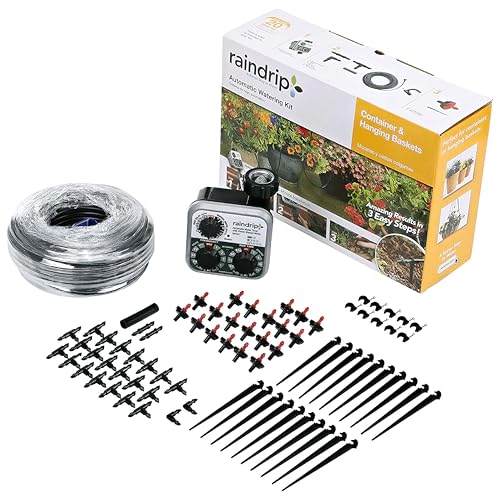
Save Time and Effort: This Raindrip drip irrigation kit includes everything you need to create a drip watering system for potted plants and precisely water up to twenty plants, saving time and effort while keeping your garden healthy

【Easy Programming Program】Through the Sprinkler Timer to program, you can set the Start Time, Watering Duration is 1min-3h59min, Watering Frequency from 1h to 12h or 1 day to 7 days, so you can customize your watering time, and can be more accurate.

Smart Automatic Watering Control: The Orbit Programmable Digital Hose Watering Timer transforms a faucet into an automatic watering system using a reliable single outlet hose timer
Irrigation Systems for Blackberries
When it comes to watering your blackberries, a drip irrigation system is highly recommended. Drip systems deliver water directly to the roots, ensuring efficient absorption without wetting the foliage excessively. This method helps prevent diseases like powdery mildew that thrive in moist environments. Installing a timer on your drip system can also automate the watering process, providing consistent moisture levels for optimal growth.
Managing Sunlight and Shade
Blackberries thrive in full sun but can tolerate partial shade. To promote healthy growth and fruit development, ensure your blackberry bushes receive at least 6-8 hours of sunlight daily. If you’re planting in an area with intense heat, providing some afternoon shade can prevent stress on the plants during peak temperatures. Monitor sunlight patterns in your garden throughout the day to adjust shading if needed, ensuring your blackberries get the right balance of light exposure for robust growth.
Pruning and Maintenance
Pruning your blackberry bushes is essential for maximizing fruit production and maintaining plant health. Here’s how to prune effectively and keep pests and diseases at bay.
When and How to Prune
When: Prune your blackberry bushes in late winter or early spring while they are still dormant. This timing allows for new growth to emerge without interference.
How:
- Remove Dead Canes: Start by cutting out any dead, damaged, or diseased canes at ground level.
- Thin Out Canes: Thin the remaining canes to encourage airflow and sunlight penetration, promoting healthier growth.
- Tip Pruning: Trim the tips of the canes to promote branching, leading to more fruit-bearing laterals.
- Trellis Training: Train the remaining canes along a trellis system for support and easier harvesting.
Pest and Disease Control
Maintaining a vigilant approach to pest and disease control is crucial for healthy blackberry bushes.
Pest Control Tips:
- Inspect plants regularly for signs of pests like aphids or spider mites.
- Introduce beneficial insects like ladybugs or lacewings as natural predators.
- Use insecticidal soap sparingly if pest infestations become severe.
- Ensure proper spacing between plants for good air circulation.
- Remove and destroy any infected plant material promptly.
- Apply fungicides preventatively during wet weather periods to combat fungal diseases.
By following these pruning techniques and implementing effective pest control measures, you’ll help your blackberry bushes thrive and produce bountiful harvests year after year.
Harvesting and Post-Harvest Care
After nurturing your blackberry bushes to fruition, it’s time to reap the rewards of your hard work. Here are essential tips for harvesting and caring for your blackberries post-harvest.
Techniques for Maximizing Berry Size
To ensure you get the most out of your blackberry harvest in terms of size, follow these techniques:
- Picking at the Right Time: Harvest ripe berries by gently pulling them from the plant. Ripe blackberries are plump, glossy, and easily detach from the stem.
- Even Ripening: To promote even ripening, pick berries every couple of days as they mature. This ensures a continuous supply of large, juicy fruits throughout the season.
- Proper Pruning: Regular pruning helps maintain plant health and encourages larger fruit production. Remove dead canes and thin out excess growth to redirect nutrients to developing berries.
Proper Storage Methods
Preserve your freshly picked blackberries using these storage methods:
- Refrigeration: Store unwashed blackberries in a shallow container lined with paper towels in the refrigerator. Avoid stacking or crushing them to prevent bruising.
- Freezing: Spread washed and dried blackberries in a single layer on a baking sheet before transferring them to a freezer-safe bag or container. Frozen blackberries can be used in smoothies or baked goods throughout the year.
By implementing these techniques for harvesting and post-harvest care, you’ll enjoy delicious, plump blackberries that showcase your gardening skills effectively.
Conclusion
Your journey to growing bigger, juicier blackberries is filled with essential tips and tricks that can transform your garden into a fruitful paradise. From mastering the art of pruning for increased fruit size to adopting nutrient-rich fertilization practices, you’ve equipped yourself with the knowledge needed to nurture thriving blackberry bushes. Remember, proper watering and climate control are key factors in ensuring optimal growth, while strategic harvesting techniques and post-harvest care will help you savor the fruits of your labor. By implementing these strategies diligently, you’re well on your way to relishing plump, flavorful blackberries that showcase your green thumb expertise. Happy gardening!
Frequently Asked Questions
What are some key factors to maximize blackberry yield?
To maximize blackberry yield, focus on proper planting methods, variety selection, and ideal growing conditions like sunlight exposure and soil quality. Pruning is essential for larger fruit production.
How can I manage nutrients for blackberry bushes effectively?
Manage nutrients by using a balanced fertilization approach with a 10-10-10 fertilizer and side-dressing with nitrogen-rich fertilizer during the growing season. Organic options like compost and manure tea can also nourish blackberry bushes naturally.
What watering practices are recommended for optimal blackberry growth?
For optimal growth, use a drip irrigation system to deliver water directly to the roots and prevent diseases like powdery mildew. Consistent watering is crucial for healthy blackberries.
Why is climate control important for growing blackberries?
Climate control ensures optimal growth. Blackberries need 6-8 hours of sunlight daily but can tolerate partial shade. Adjust shading in hot areas to prevent plant stress.
How should I harvest and store blackberries effectively?
Harvest using proper pruning techniques to maximize berry size. Store blackberries effectively by refrigerating them unwashed in containers lined with paper towels for up to a week.
