

Have you ever looked at your fruit trees only to find them covered in bugs? It’s frustrating to put in all that effort, only to see your hard work threatened by pests. You’re not alone—many gardeners face this challenge, and it can feel overwhelming.
Key Takeaways
- Understanding the vulnerabilities of fruit trees helps identify effective protection strategies against pests.
- Regular inspections and proper maintenance, such as pruning and fertilizing, are essential for preventing bug infestations.
- Recognizing common pests, like aphids and caterpillars, allows for timely intervention to protect fruit trees.
- Organic methods, including natural deterrents such as neem oil and companion planting, can effectively manage pest populations without chemicals.
- Utilizing chemical solutions requires careful application and adherence to safety guidelines to protect beneficial insects and the environment.
- Seasonal care, with focused efforts in spring and fall, strengthens fruit trees’ resilience and prepares them for pest challenges throughout the year.
Understanding Fruit Tree Vulnerability
Fruit trees face various vulnerabilities that can lead to bug infestations. Recognizing the factors that contribute to these issues can help you implement effective protection strategies.
Common Pests Affecting Fruit Trees
Several pests regularly target fruit trees, causing damage and reducing yields. Recognizing these pests helps you take timely action. Common pests include:
- Aphids: Small, green or black insects that suck sap from leaves, leading to wilting and stunted growth.
- Spider Mites: Tiny pests that create webbing on leaves, causing discoloration and leaf drop.
- Fruit Flies: They lay eggs in ripe fruit, resulting in larvae that spoil the fruit.
- Caterpillars: Larvae of moths that feed on leaves, causing holes and defoliation.
- Scale Insects: Hard or soft shells cover these pests, sucking sap and weakening the tree.
Signs of Infestation
Identifying signs of infestation early can save your fruit trees from serious damage. Look for the following indicators:
- Discoloration: Yellowing or browning of leaves may signal pest activity.
- Webbing: Spider mites produce fine webs. Finding these can indicate an infestation.
- Falling Fruit: If ripe fruit drops prematurely, inspect for larvae or signs of fruit flies.
- Holes in Leaves: Missing leaf tissue often points to caterpillar feeding.
- Sticky Residue: A shiny, sticky substance on leaves or fruit suggests aphid activity.
By monitoring these signs, you can act promptly to protect your fruit trees from bugs.
Preventive Measures
Implementing effective preventive measures protects your fruit trees from bug infestations. These strategies focus on maintaining tree health and selecting the right varieties.
Proper Tree Maintenance
Perform regular inspections of your fruit trees. Look for signs of infestation and address issues promptly. Prune dead or damaged branches, as this improves air circulation and reduces pest habitats. Water trees adequately, ensuring deep roots while avoiding overwatering, which can attract pests. Use mulch to suppress weeds and retain moisture but keep it a few inches away from the trunk to prevent rot. Fertilize properly, using organic options to enhance soil health without harming beneficial insects.
Choosing Resistant Varieties
Select fruit tree varieties known for their pest resistance. Research local conditions and pick trees suitable for your climate. Consider varieties like ‘Liberty’ apples and ‘Pineapple’ guavas, which show increased resistance to pests. Consult your local nursery for recommendations tailored to your area. Growing resistant trees minimizes the need for chemical treatments and contributes to a healthier garden ecosystem.
Organic Methods for Protection
Using organic methods for protecting fruit trees from bugs keeps your garden safe and healthy. These techniques rely on natural solutions and encourage biodiversity, providing an effective alternative to chemical treatments.
Recommended Products

FUNGAL DISEASE CONTROL: Prevents and controls black spot on roses, powdery mildew, rust, downy mildew, and other listed fungal diseases when applied on a 7–14 day schedule

Control diseases and insects in your garden with Captain Jack’s Fruit Tree Spray Concentrate! Use on a variety of listed fruits, nuts and citrus plants.

Protect your oasis with Captain Jack’s Neem Max Ready-to-Use Spray; this multipurpose product acts as a 4-in-1 insecticide, fungicide, miticide and nematicide
Natural Pest Deterrents
Employing natural pest deterrents helps fend off harmful insects without harming beneficial ones. Here are some effective options:
- Neem Oil: Derived from the neem tree, neem oil disrupts the life cycle of pests like aphids and spider mites. Mix 2 tablespoons of neem oil with a gallon of water and spray on affected areas every two weeks.
- Soap Sprays: Insecticidal soap helps eliminate soft-bodied pests. Combine 2 tablespoons of liquid soap with a gallon of water and spray directly on insects. Repeat weekly until pests are gone.
- Garlic Spray: Garlic has natural insect-repelling properties. Blend a bulb of garlic with water, strain the mixture, and spray it on your trees. Its strong odor repels various pests.
Companion Planting Techniques
Companion planting enhances the natural defenses of your fruit trees while promoting a balanced ecosystem. Here are some useful pairings:
- Marigolds: Planting marigolds near your fruit trees deters nematodes and aphids. Their vibrant flowers attract beneficial insects that prey on pests.
- Basil: Growing basil alongside fruit trees not only repels flies and mosquitoes but also improves the flavor of nearby fruits.
- Nasturtiums: These plants act as a trap crop, luring pests away from your main fruit trees. They attract aphids, protecting your trees from infestations.
Implementing these organic methods fosters a healthier environment for your fruit trees and enhances pest management strategies naturally.
Chemical Solutions
Chemical solutions provide an effective option for managing pests on your fruit trees. When organic methods aren’t enough, these solutions can help protect your crops.
Recommended Products

Control diseases and insects in your garden with Captain Jack’s Fruit Tree Spray Concentrate! Use on a variety of listed fruits, nuts and citrus plants.

TRIPLE PROTECTION FORMULA: 3-in-1 solution kills listed insects, controls listed diseases, and controls listed mites with one easy application
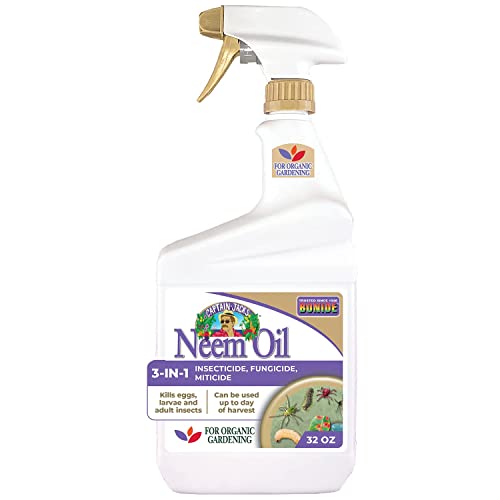
Protect your oasis with 3 garden products in 1 from Captain Jack’s; Bonide Captain Jack’s Ready-to-Use Neem Oil spray for plants is a multi-purpose fungicide, insecticide and miticide for your lawn & garden
Pesticides and Their Application
Pesticides come in various forms, including sprays, granules, and systemic treatments. Always choose a pesticide labeled for use on fruit trees. Follow the manufacturer’s instructions carefully to ensure proper application. Here are some key points:
- Timing Matters: Apply pesticides early in the morning or late in the evening to minimize impact on beneficial insects.
- Coverage is Key: Ensure thorough coverage of leaves, stems, and the ground around the tree.
- Rotate Products: Rotate different types of pesticides to avoid pest resistance. For example, alternate between insecticides containing pyrethrins and those with neonicotinoids.
Safety Considerations
Safety is crucial when using chemical treatments. Consider these guidelines to protect yourself and your environment:
- Wear Protective Gear: Use gloves, masks, and goggles during application.
- Read Labels: Always read and adhere to labels for safety precautions and reentry intervals.
- Keep Away from Water Sources: Avoid applying chemicals near ponds or streams to protect aquatic life.
- Store Properly: Store pesticides in a cool, dry place away from children and pets.
Following these practices ensures you protect your fruit trees effectively while maintaining a safe environment for you and your garden.
Seasonal Care Tips
Maintaining fruit trees throughout the seasons greatly enhances their resilience against pests. Seasonal care helps you prepare and protect your trees effectively.
Spring Preparation
Spring marks a critical time for preparing your fruit trees for the growing season. Start by pruning dead or damaged branches to promote healthy growth. Inspect trees for early signs of pests, like small webs or discoloration. Apply dormant oil spray to suffocate any hidden insects and their eggs. You can also enrich the soil with organic fertilizers to strengthen tree health. Consider planting beneficial plants, like chamomile or yarrow, that attract pollinators and natural predators of pests.
Fall Maintenance
Fall care focuses on preparing your fruit trees for the winter months. Begin by cleaning up fallen leaves and debris around your trees to reduce pest habitats. Fertilize trees with a phosphorus-rich formula to promote root development during dormancy. Wrap tree trunks with burlap to protect against rodent damage. Mulch around the base helps retain moisture and regulate soil temperature. Finally, conduct a thorough inspection for pests and treat any infestations before the trees go dormant. This proactive approach ensures your fruit trees remain healthy and resilient year-round.
Conclusion
Protecting your fruit trees from bugs doesn’t have to be a daunting task. By staying vigilant and implementing a mix of preventive measures and natural solutions you can keep your trees healthy and thriving. Regular inspections and timely actions are key to catching any issues early.
Remember to choose pest-resistant varieties and consider organic methods that promote a balanced ecosystem. With a little care and attention your fruit trees can flourish and reward you with delicious harvests for years to come. Happy gardening!
Frequently Asked Questions
What causes fruit tree pests?
Pests are attracted to fruit trees due to factors like weak tree health, lack of nutrients, overcrowding, and poor environmental conditions. Recognizing these vulnerabilities is key to implementing effective protection.
How can I spot a pest infestation on my fruit trees?
Look for signs like discoloration, webbing, falling fruit, holes in leaves, and sticky residue. Regular monitoring helps in identifying these issues early to take prompt action.
What are some common pests that target fruit trees?
Common pests include aphids, spider mites, fruit flies, caterpillars, and scale insects. Each can cause significant damage if not managed properly.
What preventive measures can I take for my fruit trees?
Maintain tree health through regular inspections, pruning dead branches, proper watering, and using mulch to suppress weeds. Additionally, choose pest-resistant varieties for better protection.
Are there organic methods to protect fruit trees from pests?
Yes, use natural solutions like neem oil, soap sprays, and garlic sprays. Implementing companion planting with herbs and flowers enhances natural defenses against pests.
When should I apply chemical pesticides to my fruit trees?
Apply pesticides when pest infestations are severe and organic methods aren’t effective. Follow manufacturer instructions, apply at the right time, and ensure thorough coverage for best results.
How can seasonal care enhance fruit tree health?
Seasonal care includes pruning in spring, enriching soil, and preparing trees for winter in fall. These practices strengthen trees against pests and improve overall resilience.
What are the safety considerations when using pesticides?
Always wear protective gear, follow label instructions, avoid applications near water sources, and store pesticides securely. Safety First ensures both effective pest control and environmental protection.
