

Have you ever wondered how many fruit trees you can fit on an acre of land? Whether you’re dreaming of a personal orchard or planning a small-scale farm, knowing the right number of trees is key to maximizing your space and yield.
Key Takeaways
- Understanding Tree Density: The number of fruit trees planted per acre significantly affects growth, yield, and maintenance.
- Factors Impacting Density: Key factors such as tree species, growth habit, soil quality, climate, and irrigation determine how close trees can be planted together.
- Spacing Requirements: Different types of fruit trees have unique spacing needs; standard apple trees require 20-30 feet apart, while dwarf varieties need only 5-10 feet.
- Benefits of Proper Spacing: Correct spacing maximizes sunlight exposure, improves air circulation, and enhances overall tree health and productivity.
- Avoid Common Mistakes: Overcrowding trees or ignoring soil and climate conditions can lead to competition for resources, stunted growth, and reduced fruit output.
- Optimal Conditions Lead to Success: Evaluating specific tree requirements and environmental factors is crucial for establishing a thriving orchard.
Understanding Fruit Tree Density
Tree density plays a crucial role in the success of your orchard. Knowing how many fruit trees you can plant per acre helps optimize growth, yield, and maintenance.
Recommended Products

Durable & Long-Lasting: Crafted from high-quality materials, these fruit tree branch pullers to withstand the rigors of outdoor use season after season. Resistant to rust, weathering, and wear, they provide consistent performance, becoming your go-to tools for maintaining your orchard year after year.

[ Solve the problem ] Don't let the young branches droop or increase too much angle, let it develop horizontally, you can choose it, it will bring unexpected effects

Complete 30-Piece Branch Training Kit: Your kit includes 20 M-shaped branch pullers (10 each in 3.9 inch and 5.1 inch sizes) and 10 tree limb spreaders (5 each in 7.1 inch and 10 inch sizes). This comprehensive set provides multiple tools for precise branch bending and shaping at various growth stages
Factors Influencing Tree Density
Several factors influence how many trees fit in an acre:
- Tree Species: Different fruit trees, such as apples, cherries, or peaches, require varying amounts of space due to their size at maturity. For example, standard apple trees might need 20 to 30 feet between them, while dwarf varieties need only 5 to 10 feet.
- Growth Habit: The growth pattern impacts spacing. Trees with wide canopies, like certain cherries, require more space compared to narrow trees, such as columnar apples.
- Soil Quality: Rich, well-draining soil promotes strong root systems. In fertile areas, trees can thrive closer together. Conversely, poor soil necessitates more space per tree for access to nutrients.
- Climate and Sunlight: More sunlight enhances fruit production. In sunny environments, trees might grow vigorously, requiring additional spacing to prevent overcrowding.
- Irrigation: Adequate water access influences density. With efficient irrigation, trees may grow closer together, whereas in arid conditions, you’ll need more space for healthy growth.
Types of Fruit Trees and Their Space Requirements
Different fruit trees have distinct spacing needs. Here’s a breakdown by type:
| Fruit Tree Type | Spacing Requirement (Feet) | Trees Per Acre (Approx.) |
|---|---|---|
| Standard Apple | 20-30 | 43-108 |
| Dwarf Apple | 5-10 | 435-1,742 |
| Cherry (Standard) | 20-25 | 87-109 |
| Cherry (Dwarf) | 8-10 | 435-546 |
| Peach | 15-20 | 109-145 |
| Plum | 15-18 | 145-174 |
Selecting the right type of tree significantly impacts your planting density. For smaller yards or farms, consider dwarf varieties to maximize productivity in limited spaces. In contrast, if space permits, standard trees can yield larger fruits but require more land.
Recommended Fruit Tree Spacing
Proper spacing between fruit trees is vital for healthy growth and optimal yields. Each tree type has specific requirements that you must consider when planning your orchard.
Recommended Products

You Will Receive: 50 pcs 3.94 inch fruit branch spreaders, a large quantity so you can make full use of it for horizontal growth of young branches in your garden or orchard
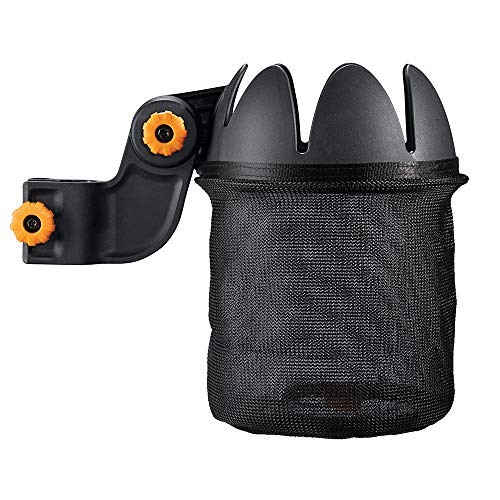
Fiskars Fruit Picker Basket harvests fruit from tall trees without bruising or scratching

1.Function: Acting on apple trees live plants apple tree, the branch hanger can change the angle of the branches, increase the light area, and the branches are thick.
Standard Guidelines for Tree Planting
Follow these general spacing guidelines for common fruit tree types:
- Standard Trees: Space standard apple, pear, and cherry trees 20 to 30 feet apart. This spacing allows ample sunlight and air circulation, which encourages healthy growth.
- Dwarf Trees: Dwarf varieties, such as certain apple and peach trees, need 5 to 10 feet between them. Their smaller size increases accessibility and makes harvesting easier.
- Semi-Dwarf Trees: Space these trees 12 to 18 feet apart. Semi-dwarf varieties strike a balance between size and yield, making them suitable for smaller orchards.
Variations by Fruit Type
Different fruit trees require unique spacing based on their growth habits. Here’s a breakdown:
- Apple Trees: Standard varieties require 20 to 30 feet, while dwarf varieties need 5 to 10 feet.
- Peach Trees: Standard ones require 15 to 20 feet, whereas dwarf varieties can be spaced 6 to 8 feet apart.
- Citrus Trees: Space standard lemon, lime, and orange trees 15 to 25 feet apart. Dwarf options can be 8 to 10 feet apart.
- Cherry Trees: For sweet cherries, allow 25 to 30 feet. Sour cherries fit closer at 15 to 20 feet.
- Plum Trees: Standard plums require 15 to 20 feet, while dwarf varieties need about 6 to 8 feet between them.
Focusing on these guidelines ensures your trees receive the right amount of space, maximizing their potential for fruit production and longevity.
Benefits of Proper Tree Spacing
Proper tree spacing maximizes the health and productivity of your orchard. It ensures that each tree has enough resources to thrive, leading to better yield.
Optimizing Sunlight and Air Circulation
Maximizing sunlight exposure allows trees to photosynthesize efficiently. Spacing trees correctly prevents overcrowding, which can block sunlight from reaching lower branches. A well-lit tree exhibits better growth and fruiting. Proper circulation reduces humidity around the trees, lowering the risk of fungal diseases. For instance, apple trees placed 20 feet apart can soak up sunlight and air more effectively than if they were crammed together.
Enhancing Tree Health and Productivity
Improper spacing leads to competition for nutrients and water. Trees placed too close to one another may struggle to absorb the necessary resources, leading to stunted growth. Adjusting tree spacing according to species improves overall health and fruit output. For example, standard peach trees thrive when spaced 20 feet apart, while dwarf varieties can flourish at 5 to 10 feet. This proper allocation ensures that each tree receives adequate nourishment, resulting in a more fruitful harvest.
Common Mistakes in Tree Planting
Understanding common mistakes in tree planting helps you cultivate a thriving orchard. Here are two critical areas to focus on.
Recommended Products


Sunlight Requirements: At least 6-8 hours of direct sunlight daily for optimal growth and fruit production
Overcrowding Trees
Overcrowding trees reduces access to essential resources. Each tree needs adequate space to grow and absorb sunlight, air, and nutrients. Planting trees too close together results in several issues, including:
- Competition for Resources: Trees vie for sunlight, water, and nutrients, which can stunt growth.
- Restricted Airflow: Closer spacing increases humidity levels, fostering fungal diseases.
- Limited Canopy Development: Insufficient space affects the tree’s ability to develop a healthy canopy, reducing fruit production.
Ensure to follow the recommended spacing guidelines for each fruit tree type. For instance, standard apple trees should be spaced 20 to 30 feet apart, while dwarf varieties require only 5 to 10 feet.
Ignoring Soil and Climate Conditions
Ignoring soil and climate conditions leads to poor tree health. A suitable environment supports robust growth and productivity. Consider these factors:
- Soil Type: Conduct a soil test to assess pH and nutrient levels. Different trees prefer different soil types; for example, many fruit trees thrive in loamy soil.
- Drainage: Ensure proper drainage to prevent waterlogged soil, which can harm root systems. Raised beds or planting on slopes can improve drainage.
- Climate Suitability: Select tree species that match your local climate. For instance, citrus trees require warmer temperatures and lots of sunlight, while apple trees can adapt to cooler climates.
Taking the time to evaluate soil and climate conditions leads to healthier trees and a more fruitful harvest.
Conclusion
Getting the right number of fruit trees per acre can make all the difference in your orchard’s success. By paying attention to spacing and the unique needs of each tree species you choose, you’re setting yourself up for a bountiful harvest.
Remember to consider your soil quality and local climate as these elements play a key role in your trees’ health and productivity. Avoid the temptation to overcrowd your trees; proper spacing not only boosts growth but also enhances air circulation and sunlight exposure.
With a little planning and care, you’ll be well on your way to enjoying the fruits of your labor. Happy planting!
Frequently Asked Questions
How many fruit trees can I plant on one acre of land?
The number of fruit trees per acre varies based on tree species and their growth habits. Generally, standard trees require 20 to 30 feet of spacing, allowing about 40 to 100 trees per acre. Dwarf varieties need less space, about 5 to 10 feet apart, enabling 300 to 600 trees on the same acreage.
Why is tree spacing important?
Proper tree spacing is crucial for healthy growth and optimal yield. It maximizes sunlight exposure, air circulation, and nutrient access while minimizing competition among trees. Adequate spacing also reduces the risk of diseases, promoting stronger, more productive trees.
What factors affect how many fruit trees I can plant?
Several factors influence tree density, including the species of the tree, its growth habit, soil quality, climate, sunlight availability, and irrigation methods. Assessing these elements helps determine the best spacing for planting your fruit trees effectively.
Can overcrowding harm my fruit trees?
Yes, overcrowding can severely impact fruit trees’ health. It leads to competition for resources like water and nutrients, restricts airflow, reduces sunlight, and limits canopy development, increasing the risk of pests and diseases. Proper spacing is essential to avoid these issues.
How can I determine the right tree spacing for my orchard?
To determine the right tree spacing, consider the species you are planting and their growth habits. Research their specific spacing requirements, conduct soil tests to assess conditions, and consider local climate factors to ensure optimal growth for your fruit trees.
