

Have you ever watched your beloved fruit trees sway dangerously in the wind? It’s a common worry for gardeners who want to see their trees thrive. Strong winds can cause broken branches, uprooting, and even damage to the fruit itself, leaving you frustrated and worried about your hard work.
This article will guide you through practical strategies to shield your fruit trees from wind damage. You’ll discover effective techniques that not only protect your trees but also promote their overall health. With a little effort, you can create a safer environment for your trees, ensuring they produce delicious fruit for years to come.
Key Takeaways
- Wind Damage Awareness: Strong winds can cause broken branches, uprooting, and loss of fruit, which can significantly harm the health and yield of fruit trees.
- Importance of Wind Protection: Protecting fruit trees from wind enhances their resilience against pests and diseases, ensuring long-term viability and improved harvest.
- Strategic Location Selection: Choosing a site with natural windbreaks, like buildings or hills, and understanding local wind patterns is crucial for reducing wind exposure.
- Implementing Windbreaks: Planting dense shrubs or installing fences at a proper distance from trees acts as an effective barrier against strong winds.
- Maintenance Practices: Regular pruning and proper soil management, including mulching and consistent watering, help strengthen trees’ structural integrity for better wind resistance.
- Dwarf Variety Consideration: Opting for dwarf fruit tree varieties can reduce susceptibility to wind damage due to their stability and lower center of gravity.
Importance Of Protecting Fruit Trees From Wind
Strong winds can significantly harm fruit trees. They can break branches, uproot plants, and damage fruit. These effects compromise the tree’s health and reduce fruit yield.
Wind causes physical stress on trees. This stress can weaken their structural integrity over time. Healthy fruit trees rely on stability to thrive. When winds uproot or bend trees, it can lead to disease and stunted growth.
Protecting trees enhances their resilience. Strong trees resist pests and diseases better. Healthy trees also yield more fruit, benefiting your harvest. Prevention strategies save time and resources in the long run.
Windbreaks act as a barrier against harsh conditions. By using structures like fences or planting shrubs, you can shield your trees from strong gusts. These methods create a microclimate that fosters healthier growth.
In addition, measures like staking young trees prevent them from tipping over. Using mulch around the base improves soil moisture retention and supports root development. Each protective step contributes to your trees’ long-term viability.
Fostering a safe environment for your fruit trees promotes sustainability in your garden. Understanding the importance of wind protection leads to healthier trees and better yields.
Common Wind Damages To Fruit Trees
Strong winds can inflict various types of damage on fruit trees. Understanding these damages helps you take preventive measures.
Recommended Products

Janitorial & Cleaning Supplies

Upgrade Materials: The tree wrap is made of eco-friendly and biodegradable non-woven fabric. It fits snugly around any tree, mimicking its shape and bark texture, while also ensuring excellent breathability. This allows the tree to breathe freely and promote healthy growth. The tree protector is highly durable, providing long-lasting protection for trees.The tree trunk wrap won't impede tree growth and will facilitate gardening efforts by naturally decomposing over time.

Seal & Protect Tree Wounds Fast: Thick 2X concentrated formula designed to coat and seal cuts, cracks, and bark damage. This tree wound sealer supports natural healing by creating a durable moisture-resistant layer. Works as a reliable tree wound dressing for pruning, storm recovery, or grafting.
Types Of Damage
- Broken Branches: High winds can snap branches, leading to potential infections and reduced fruit yield.
- Uprooting: Strong gusts may destabilize roots, causing trees to topple, especially in loose or sandy soils.
- Leaf Damage: Wind can strip leaves from trees, affecting photosynthesis and overall tree health.
- Fruit Loss: Winds can knock fruit off branches prematurely, resulting in lost harvests.
- Structural Instability: Continuous wind exposure weakens the tree’s natural structure, increasing susceptibility to diseases and pests.
- Visible Breaks: Check for broken branches or cracks in the trunk. These indicate immediate attention is needed.
- Wilting Leaves: Observe any wilting or discolored leaves, which can suggest stress from wind damage.
- Root Exposure: Inspect the base of the tree for exposed roots, signaling potential uprooting issues.
- Fruit Drop: Take note of unusually high fruit drop, which may be a sign of wind impact.
- New Growth Issues: Notice any stunted new growth or lack of blossoms, indicating long-term effects from wind stress.
Effective Strategies To Protect Fruit Trees From Wind
Protecting your fruit trees from wind involves strategic planning and the right techniques. Implementing effective strategies ensures your trees remain healthy and productive.
Recommended Products

【Quality Material】Made of sturdy fabric and PE material, the bird barrier netting mesh is lightweight and durable, providing a good growth condition for the plants with its tightness feature.

Convenient Zipper and Drawstring Design---Our Fruit Tree Netting for Cicadas has a user - friendly, durable zipper. It makes accessing fruit trees & blueberry bushes easy during trimming, watering, or harvesting. No more struggling with complex closures or removing the whole net. This is especially useful for cicada protection. The attached drawstring enhances functionality, allowing you to secure the net tightly around plants. This combo ensures easy handling & a snug fit, even in windy conditions, making plant maintenance stress - free.
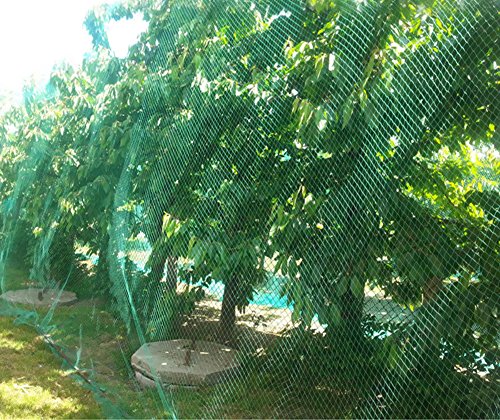
Excellent Material & Quality: Our bird netting is made of strong and durable PE with high stretch, light-weight but not tear easily; It is anti-UV and tough enough to withstand the effects of the sun and bad weather conditions, so you can use the garden netting repeatedly until the end of the season; The size of the poultry netting mesh refers to the measured length straightened from the far left to the far right
Choosing The Right Location
Location plays a crucial role in wind protection. Select a site that offers some natural windbreaks, like buildings, larger trees, or hills. Consider the local wind patterns; ideally, plant your fruit trees in a spot that minimizes exposure to prevailing winds. This early decision significantly reduces the risk of damage.
Planting Windbreaks
Windbreaks provide excellent protection for your fruit trees. Use a combination of fences, hedges, or shrubs to create barriers against strong winds. Plant these windbreaks at a distance of 5 to 10 times their mature height from your fruit trees for optimal effectiveness. Choose dense, sturdy plants that can withstand high winds. Examples include evergreen trees and tall shrubs, which reduce wind speed significantly before it reaches your trees.
Using Stakes And Supports
Staking your young trees provides immediate support against wind stress. Use sturdy wooden or metal stakes, driven into the ground at least 12 inches deep. Secure young trees to these stakes using soft, flexible ties that won’t damage the bark. Ensure the ties allow for some movement; this helps the tree develop strength. Staking works best for trees up to 2-3 years old during high-wind seasons.
Selecting Dwarf Varieties
Dwarf fruit tree varieties are inherently more stable and less susceptible to uprooting. These compact trees maintain a lower center of gravity, reducing their wind exposure. Consider planting dwarf cultivars like ‘Dwarf Gala’ apples or ‘Pix Zee’ peaches, which are perfect for small gardens. Dwarf trees offer numerous advantages, including less space needed and easier maintenance.
By implementing these strategies, you can effectively protect your fruit trees from wind damage, promoting their health and productivity.
Regular Maintenance Practices
Maintaining fruit trees involves key practices that enhance their resilience to wind damage. Regular attention to pruning and soil management keeps your trees healthy and robust.
Recommended Products


Package Includes: Contents 1 Manual gardening grafting cutter and 2 rolls of 2 sizes of grafting tape, meeting your needs.

★ 1. What you get: Professional convenient grafting tool set including a dual-use grafting pruner tool contain 2 extra replaceable blades, a wrench and a screwdriver, along with 36pcs wide rubber bands, 150 thick rubber bands and 1 grafting tape, packed in a black wallet to meet all your needs
Pruning Techniques
Prune your fruit trees annually during late winter or early spring before new growth starts. Focus on removing dead or damaged branches, which can become weak points in high winds. Shape the tree to encourage strong central leaders and open canopies that allow wind to pass through. Thin dense areas to improve airflow, reducing stress during storms.
Use clean, sharp pruning tools to make clean cuts. Aim for angles that promote healing and minimize scar tissue. Consider using the following methods:
- Heading Back: Cut back the tips of branches to encourage lateral growth, which adds stability.
- Thinning: Remove entire branches to increase light and air circulation.
- Clean Cuts: Always cut just above a bud or lateral branch to enable healthy regrowth.
Soil Management
Healthy soil supports a strong root system, which is crucial for your trees’ stability. Test your soil annually to ensure it has the right pH and nutrient levels. Apply organic matter, like compost or aged manure, to improve soil structure.
Consider these soil management practices:
- Mulching: Apply a layer of mulch around the base of the tree to retain moisture, reduce weeds, and moderate soil temperature. Aim for a depth of 2 to 4 inches, keeping the mulch away from the trunk.
- Watering: Ensure consistent watering, especially during dry spells. Deep watering encourages roots to grow downward, enhancing stability.
- Aeration: Aerate compacted soil to improve root penetration and nutrient absorption. Use a garden fork or an aerator tool to create holes in the soil.
Implementing these regular maintenance practices supports your fruit trees and helps them withstand the challenges posed by strong winds.
Conclusion
Protecting your fruit trees from wind isn’t just about preventing damage; it’s about nurturing a thriving garden. By taking proactive steps like planting windbreaks and staking young trees you can create a safer environment for your trees to flourish. Regular maintenance practices like pruning and soil management will also go a long way in building their resilience.
With these strategies in place you’ll not only safeguard your trees from the elements but also enjoy bountiful harvests for years to come. Remember that a little effort now can lead to a healthier and more productive garden down the line. Happy gardening!
Frequently Asked Questions
What are the common types of wind damage to fruit trees?
Wind damage to fruit trees can manifest as broken branches, uprooting, leaf damage, fruit loss, and structural instability. Recognizing these signs early can help in addressing the issue and protecting the trees.
How can I protect my fruit trees from wind damage?
To protect fruit trees from wind damage, consider using windbreaks like fences or shrubs, staking young trees for support, and applying mulch to retain soil moisture. These methods enhance tree resilience and promote healthier growth.
What is the best location for planting fruit trees to minimize wind exposure?
Choose a location that offers natural windbreaks such as nearby buildings or dense hedges to shield the trees. Plant windbreaks at a distance of 5 to 10 times their mature height to provide effective protection.
How often should I prune my fruit trees for wind resistance?
Prune your fruit trees annually during late winter or early spring. This practice removes dead or damaged branches and shapes the tree for better wind resistance, helping to maintain its structural integrity.
What soil management practices can help fruit trees withstand strong winds?
Effective soil management includes testing soil pH and nutrient levels, applying organic matter, mulching to retain moisture, consistent watering, and aerating compacted soil. These practices promote healthier root systems and improve resilience against wind damage.
