

Have you noticed your fruit trees dropping fruit before they’re ripe? It’s a frustrating sight for any gardener. You’ve put in the effort to nurture your trees, and now it feels like all that hard work is going to waste.
Don’t worry, you’re not alone in facing this issue. Many fruit tree owners experience this problem, and it can stem from various reasons. Understanding why your trees are shedding their fruit can help you take the right steps to encourage healthy growth and a bountiful harvest. In this article, you’ll discover common causes of fruit drop and practical tips to keep your trees thriving.
Key Takeaways
- Natural Fruit Drop: Understand that fruit trees may naturally drop excess fruit due to overproduction and stress caused by sudden weather changes.
- Nutritional Needs: Ensure trees receive adequate nutrients, particularly nitrogen, phosphorus, and potassium, by conducting soil tests and amending the soil as necessary.
- Water Management: Maintain consistent moisture levels through deep watering and mulch application to minimize water stress during dry spells.
- Pest and Disease Monitoring: Regularly inspect trees for pests and signs of fungal diseases, and treat them promptly to prevent premature fruit drop.
- Proper Pruning Techniques: Follow best practices for pruning to avoid over-pruning, which can negatively impact fruit yield and tree health.
- Consult Experts When Needed: Seek professional advice when encountering persistent issues, such as continuous fruit drop or signs of diseases, to ensure the long-term health of your trees.
Understanding Fruit Drop
Fruit drop in trees often raises concerns for growers. Understanding the causes can help you address the issue effectively.
Natural Causes
- Overproduction: Trees may drop excess fruit to manage their energy. If you’ve noticed many small fruits, the tree’s balancing act could lead to drops.
- Weather Conditions: Sudden temperature fluctuations can stress trees. Cold snaps during flowering or heatwaves can cause trees to shed fruit to conserve resources.
Nutritional Factors
- Nutrient Deficiencies: Insufficient nitrogen, phosphorus, or potassium leads to poor fruit development. Conducting a soil test can identify deficiencies.
- Water Stress: Inconsistent watering creates stress. Ensure your trees receive steady moisture, especially during dry spells.
Pest and Disease
- Insect Infestation: Pests such as aphids or spider mites weaken healthy fruit retention. Regular inspections for pests can prevent damage.
- Fungal Diseases: Conditions like brown rot may cause fruit to drop prematurely. Use fungicides or maintain proper air circulation to reduce risks.
Pruning and Maintenance
- Improper Pruning: Excessive or incorrect pruning impacts fruit yield. Follow best practices for pruning and keep branch structures healthy.
- Tree Age: Younger trees naturally drop fruit as they develop. Patience is essential as tree maturity often leads to more consistent fruiting.
- Mulching: Apply mulch around the base of the tree to regulate soil temperature and moisture.
- Fertilization: Use balanced fertilizers to ensure trees receive adequate nutrients, preferably in early spring.
Addressing these factors can lead to healthier trees and a more fruitful harvest.
Common Causes of Fruit Drop
Fruit drop can result from various factors affecting your fruit trees. Understanding these causes can help you take action to minimize fruit loss.
Recommended Products
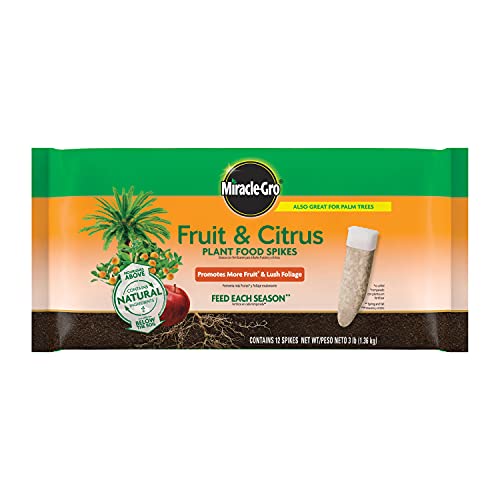
FORMULATED FOR CITRUS AND FRUIT TREES: Use these citrus fertilizer spikes on apple, orange, lemon, lime, and avocado trees; this formula is also great for feeding palm trees

KNOW BEFORE YOU GROW | Grow the healthiest, sustainable lawn and garden with the most accurate and easy to use professional soil test kit on the market

CONCENTRATE INSECT KILLER - This pest control is great for use on aphids, flea beetles, leafhoppers, trips, whiteflies, Japanese beetles, mealy bugs and many more.
Environmental Factors
Environmental conditions significantly impact fruit retention. Extreme temperatures, both hot and cold, can stress trees and lead to fruit drop. High winds may cause physical damage, shaking fruit loose. Additionally, insufficient rainfall followed by heavy downpours can disrupt the tree’s water management. Monitor the forecast and provide adequate shelter or mulch to secure trees during severe weather.
Pest and Disease Issues
Pests and diseases can weaken your trees. Common pests like aphids, spider mites, and fruit flies damage the fruit and reduce its ability to stay on the tree. Fungal infections, such as peach leaf curl or brown rot, can also contribute to premature fruit drop. Check your trees regularly for signs of infestation, like holes in the leaves or discoloration. Use insecticidal soap for pests or fungicides for diseases, ensuring you follow label instructions for effective treatment.
Nutrient Deficiencies
Nutrient deficiencies play a crucial role in fruit development. Lack of essential nutrients like nitrogen, potassium, and phosphorus can weaken trees, leading to fruit drop. Soil testing can identify nutrient levels. Based on the results, apply the appropriate fertilizers to boost nutrition. Regularly amend your soil with compost or organic matter to maintain healthy nutrient levels in the long term.
Solutions to Prevent Fruit Drop
You can take several steps to prevent fruit drop and maintain healthy fruit trees. Focus on proper watering, effective fertilization, and attentive care to ensure your trees thrive.
Recommended Products
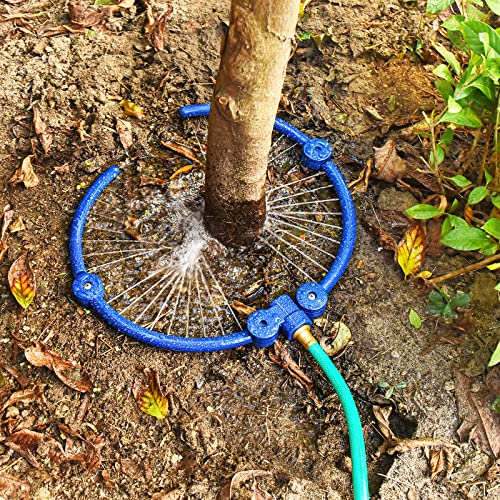
【Specially Designed for Trees and Shrubs】 The Watering Ring is a multi-purpose irrigation ring that attaches to a garden hose to efficiently water young trees shrubs vegetables or flower beds using drip or trickle irrigation.It directs water to the root perimeter of the plant to give them a good start during the first two growing seasons or through periods of drought.

SAVE TIME AND EFFORT: This plant watering kit has everything you need to get started with drip irrigation and precisely water up to ten individual plants. Use the kit to build, expand, or repair a drip irrigation system
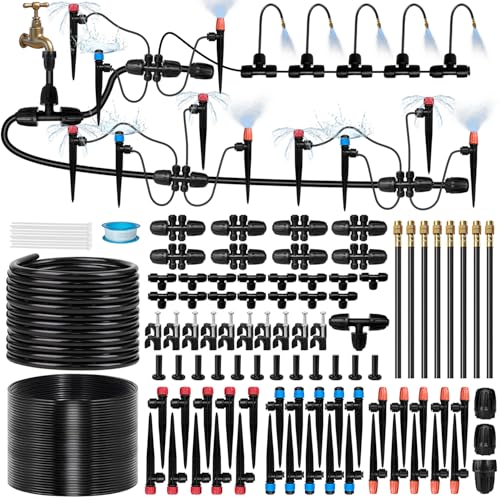
【Upgraded Tube Design & Water Saving】 Our garden watering system is upgraded to 1/2” diameter to support high water pressure. The 1/2” tee connector allows seamless splitting into 2 independent zones for customized watering schedules. By delivering moisture directly to root zones, this drip Irrigation system significantly reduces evaporation and runoff—saving more water compared to conventional sprinklers while eliminating the need for manual watering.
Proper Watering Techniques
Prioritize consistent moisture for your fruit trees. Water deeply but infrequently, aiming for about 1 to 2 inches of water weekly during dry spells. Adjust this amount based on rainfall. Use mulch around the base of your trees to retain moisture and regulate soil temperature.
Monitor the soil’s moisture levels by digging down about 2 inches. If the soil feels dry, it’s time to water. Drip irrigation systems work well for even watering and reducing water stress. You can also avoid wetting the foliage to prevent fungal diseases.
Fertilization Practices
Ensure your trees receive adequate nutrients through proper fertilization. Test your soil to identify deficiencies in nitrogen, phosphorus, or potassium. Based on the results, apply a balanced fertilizer specifically designed for fruit trees. Follow the recommended rates on the package, typically around 0.5 to 1 pound of fertilizer per inch of trunk diameter.
Fertilize in early spring before new growth begins and again in late summer to support fruit development. Organic options like compost or well-aged manure work well too. Spread a 2- to 4-inch layer around the base of the tree, keeping it a few inches away from the trunk to prevent rot.
When to Consult an Expert
Consult an expert when you notice persistent or unusual fruit drop despite implementing maintenance practices. Observing symptoms beyond normal fruit drop can indicate underlying issues.
Recommended Products

3-in-1 FORMULA: Aphid spray for outdoor plants for use on roses, flowers, shrubs and trees to control listed insects, disease and mites

3-IN-1 PLANT CARE: 3-In-1 Insect, Disease & Plant Mite Control provides insect control, disease control, and plant mite control all in one; Rainproof protection starts in 4 hours and lasts up to 14 days

Control diseases and insects in your garden with Captain Jack’s Fruit Tree Spray Concentrate! Use on a variety of listed fruits, nuts and citrus plants.
Signs to Look For
- Continuous Drop: If your tree drops fruit regularly over several weeks, this might signal a deeper problem.
- Yellowing Leaves: Yellow leaves can suggest nutrient deficiencies, pest infestations, or diseases.
- Weak Growth: Stunted or weak growth indicates that your tree may not be healthy enough to support fruiting.
Reasons for Consultation
- Pest Infestation: If you suspect pests like aphids or scale insects, consult an expert. They can identify the issue and recommend treatment options.
- Disease Diagnosis: If your tree shows signs of disease, such as unusual spots on leaves or fruit, seek expert advice for accurate diagnosis and intervention.
- Nutritional Imbalances: Soil testing by a professional can help identify nutrient deficiencies that self-assessment might miss.
- Local Extension Services: Many areas have agricultural extension services offering free advice.
- Certified Arborists: Hiring a certified arborist can provide targeted recommendations for tree care and maintenance.
- Frequent Workshops: Attend local workshops on fruit trees, which often include expert advice on prevention and care strategies.
Choosing to consult an expert can save time, prevent further issues, and ultimately enhance the health of your fruit trees.
Conclusion
Fruit drop can be a common challenge for fruit tree enthusiasts like you. Understanding the various factors that lead to this issue is the first step toward nurturing healthier trees. By paying attention to your tree’s needs and implementing proper care techniques you can significantly reduce fruit loss.
Remember that it’s a journey and sometimes it takes time to see results. Stay observant and responsive to your trees’ conditions and don’t hesitate to seek expert advice if needed. With a little patience and the right strategies you’ll be well on your way to enjoying a bountiful harvest. Happy gardening!
Frequently Asked Questions
Why are my fruit trees dropping unripe fruit?
Fruit trees often drop unripe fruit due to various factors such as overproduction, where trees shed excess fruit to focus energy elsewhere. Other reasons include adverse weather conditions, pest infestations, nutritional deficiencies, and improper pruning. Understanding these causes is crucial for effective solutions.
How can I prevent fruit drop in my trees?
To prevent fruit drop, ensure consistent moisture through deep but infrequent watering and mulch to retain soil moisture. Also, conduct soil tests to check for nutrient deficiencies, and apply a balanced fertilizer during early spring and late summer. Regular maintenance can significantly improve fruit retention.
What role do pests play in fruit drop?
Pests like aphids can weaken a tree’s ability to hold onto its fruit, leading to increased drop rates. Infestations may damage the fruit or stress the tree, resulting in further loss. Regular monitoring and pest management are essential to keep your trees healthy.
How does weather affect fruit drop?
Extreme temperatures, high winds, and adverse weather patterns can stress fruit trees, triggering them to drop fruit prematurely. Protecting your trees from harsh weather can improve fruit retention and overall health.
When should I consult an expert about fruit drop?
If your fruit trees consistently drop fruit along with signs like yellowing leaves or weak growth, it may be time to consult an expert. Look for pest infestations, disease symptoms, or nutritional imbalances as indicators needing professional advice. Local extension services or certified arborists can provide valuable assistance.
