

Have you ever noticed ants swarming around your fruit trees? It’s a common sight that can leave you feeling frustrated. These tiny pests can wreak havoc on your trees, damaging the fruit and even leading to more serious problems like aphid infestations.
Key Takeaways
- Ant Impact on Fruit Trees: Ants can harm fruit trees by promoting aphid infestations and causing wood damage, leading to more serious health issues for the trees.
- Prevention Strategies: Regular tree maintenance, proper mulching techniques, and cleaning of debris are essential to minimize ant attraction and maintain tree health.
- Natural Remedies: Essential oils like peppermint, tea tree, and cinnamon, as well as companion planting with marigolds and mint, provide effective chemical-free deterrents against ants.
- Chemical Controls: Insecticidal soaps and targeted ant baits can effectively manage ant populations while being safe for the environment and beneficial insects.
- Monitoring Practices: Conducting weekly inspections for ant trails, aphid presence, and fruit damage allows for early intervention and effective management of potential infestations.
- Sustainable Approaches: Implementing diverse plantings, natural barriers, and proper watering techniques fosters a healthy ecosystem that protects fruit trees from ant threats.
Understanding Ants and Their Impact on Fruit Trees
Ants may appear harmless, but they can significantly affect your fruit trees. They often engage in behaviors that harm the trees and facilitate other pests like aphids. Recognizing the impact of ants can help you take appropriate measures to protect your trees.
Common Ant Species Affecting Fruit Trees
- Sugar Ants: These ants are attracted to sweet substances. They can lead to increased aphid populations by protecting them from predators, as they feed on the honeydew produced by aphids.
- Carpenter Ants: Although they don’t feed on fruit, carpenter ants can damage tree wood, making the trees weaker and more susceptible to other pests and diseases.
- Fire Ants: Known for their aggressive behavior, fire ants can disturb trees and create mounds that may interfere with root systems.
The Role of Ants in the Ecosystem
Ants play both beneficial and detrimental roles in garden ecosystems. They aerate the soil as they tunnel, helping roots access water and nutrients. They also predate on some pests. However, if they protect harmful pests like aphids, the damage to your fruit trees outweighs the benefits. Monitoring their activity is crucial to maintain a balanced ecosystem around your fruit trees.
Prevention Strategies for Ant Infestation
Taking proactive measures keeps ants away from your fruit trees. Implementing effective prevention strategies ensures healthy and productive trees.
Recommended Products

IMPRESSIVE TREE COVERAGE: Catchmaster's Tree Shield Insect Barrier is a heavy-duty crawling and flying insect trap. The tree shield measures 30 feet long, allowing you to protect more of your trees in less time. The 30-foot rolls can be easily cut to adapt to different tree and plant sizes throughout your property

Extra Long: You will receive 1 roll of tree barrier tape, measuring approximately 165 ft x 2 inch, the extra length provides adequate protection for your multiple trees and plant trunks, and also meets the replacement needs.

High-Quality Non-Woven Fabric: Crafted from top-tier felt, these tree ring mulch mat offer long-lasting performance, ensuring optimal care for your trees.Before purchasing, please be aware of the hardness of this type of non-woven felt mat, which is different from the wooden tree ring
Regular Tree Maintenance
Regular maintenance helps identify and eliminate ant problems early. Follow these actionable steps:
- Inspect Trees: Check your trees weekly for signs of ant activity or pests. Look for aphids or other insects that attract ants.
- Prune Branches: Trim any branches that touch the ground or adjacent plants. This reduces pathways for ants to access your trees.
- Clean Up Debris: Remove fallen fruit, leaves, and debris from around the trees. Keeping the area tidy minimizes food sources for ants.
Proper Mulching Techniques
Using mulch effectively can deter ants from infestations. Keep these tips in mind:
- Choose the Right Mulch: Opt for organic mulch such as wood chips or straw. Ants prefer areas with hard surfaces, so avoid gravel or rock.
- Apply a Barrier: Lay mulch in a way that creates a thick barrier, at least three inches deep. This obstructs ants and retains moisture for the tree.
- Maintain Mulch: Replenish mulch as needed. An unkempt layer may attract pests or provide nesting sites for ants.
Employing these strategies fosters a healthy environment for your fruit trees while minimizing ant threats.
Natural Remedies to Deter Ants
Natural remedies can effectively deter ants without harming your fruit trees or the surrounding ecosystem. Here are some practical methods to keep ants at bay.
Recommended Products
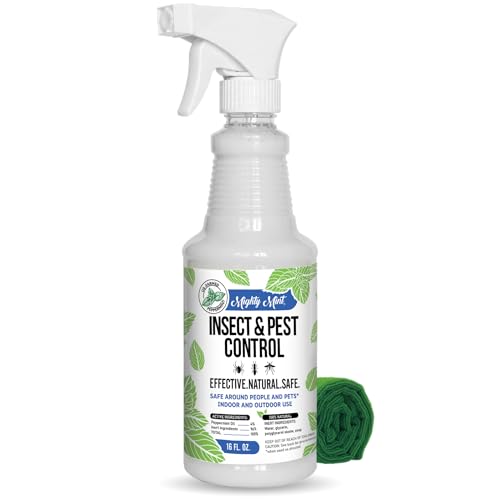
PET-FRIENDLY & FAMILY-SAFE FORMULA – Mighty Mint is a top pick for pet parents looking for a natural pest control solution. Safe to use around dogs, cats, and kids when applied as directed—no harsh fumes or dangerous chemicals. Not recommended for use around birds or exotic pets.

[Highly Effective Against Pests]: Lab-tested blend with the natural power of peppermint oil, VermExon 16oz spray is proven to kill by contact, swiftly eliminates a wide range of pests, including ants, mosquitoes, roaches, moths, spiders, and more. Its potent formula ensures lasting protection, keeping your home pest-free.

PEPPERMINT SPRAY FOR BUGS: This natural bug repellent for home is made with peppermint and cedarwood oil for pest control; it works indoor and outdoor by repelling bug, spiders, stink bugs, earwigs, flies, cats and rodents from crawling in your house, basement, attics, and yard; this is why Kate's Home & Garden insect repellent is a great indoor insect & natural pest control spray for insects to keep in your household supply
Using Essential Oils
Using essential oils serves as a potent deterrent against ants. Certain oils disrupt their pheromone trails, making it difficult for ants to navigate.
- Peppermint Oil: Mix 10-15 drops of peppermint oil with water in a spray bottle. Spray around the base of the tree and any infested areas.
- Tea Tree Oil: Add a few drops of tea tree oil to water and apply it similarly. The strong scent repels ants.
- Cinnamon Oil: Create a mixture of cinnamon oil and water. Apply it directly to ant trails and nests.
These oils not only repel ants but also give your garden a pleasant fragrance.
Companion Planting Strategies
Companion planting involves growing specific plants together to deter pests. Certain plants act as natural repellents for ants.
- Marigolds: Planting marigolds near your fruit trees can deter various insects, including ants.
- Mint: Mint attracts beneficial insects while repelling ants. Plant it around the base of the trees or in pots nearby.
- Tansy: This perennial herb discourages many pests. Arrange tansy around your fruit tree to create a natural barrier.
Planting these companions enhances biodiversity and supports a healthy garden environment.
Chemical Controls and Treatments
You can use chemical controls to effectively manage ant populations around your fruit trees. These treatments target ants directly or disrupt their activities. Here are two widely used options:
Insecticidal Soaps
Insecticidal soaps are effective against ants and many other soft-bodied insects. These soaps work by suffocating pests on contact, making them a safe choice for fruit trees. Here’s how to use them:
- Choose the Right Product: Look for a commercial insecticidal soap labeled for use on fruit trees.
- Mix According to Instructions: Follow the manufacturer’s instructions for dilution rates.
- Apply During Active Hours: Spray in the early morning or late evening when ants are more active.
- Target Ant Trails: Directly spray areas where you observe ant activity, including the base of the tree.
Insecticidal soaps break down quickly, posing minimal risk to beneficial insects, making them a great option for maintaining a healthy garden ecosystem.
Ant Baits and Traps
Ant baits and traps attract ants and contain chemicals that eliminate them. These products can be very effective against infestations. Here’s how to use them:
- Select Appropriate Baits: Choose baits specifically designed for the ant species you’re dealing with.
- Place Nearby: Position baits close to ant trails, near fruit trees, but away from pets and children.
- Monitor Activity: Check baits regularly for signs of ant activity. Replace them as needed.
- Allow Time for Effectiveness: Give baits time to work. Ants will carry the poison back to their colony, helping control the overall population.
Using ant baits and traps not only reduces ant activity but can also address the underlying issue of pests like aphids that ants protect.
Integrating these chemical controls into your management plan can help keep your fruit trees safe from ants while promoting healthy growth.
Monitoring and Maintenance
Monitoring ant activity and maintaining your fruit trees protect them effectively. Regular attention helps you catch potential infestations early and address them before they escalate.
Regular Inspections and Signs of Infestation
Conduct inspections weekly to look for signs of ants around your fruit trees. Look for:
- Ant Trails: Noticeable paths that ants take. You can follow these trails to find their nests.
- Aphid Presence: Check for small pests on the leaves and branches. Aphids attract ants, which may indicate an underlying issue.
- Damage on Fruit: Inspect fruits for unusual marks or holes. Damaged fruit may signal that ants are harming your harvest.
Act quickly if you find any signs. Removing aphids and treating damaged areas can limit ant attraction and prevent further issues.
Sustainable Practices for Long-Term Protection
Implement sustainable practices to ensure ongoing protection against ants. Here’s how:
- Plant Diversity: Incorporate a variety of plants around your fruit trees. Companion plants like marigolds or mint deter ants by masking their pheromone trails.
- Natural Barriers: Use diatomaceous earth around the tree base. This sharp powder can deter ants without harming beneficial insects.
- Proper Watering: Ensure adequate watering without creating standing water, which attracts ants seeking moisture.
By adopting these practices, you foster a healthier ecosystem that benefits your fruit trees while minimizing ant problems.
Conclusion
Taking proactive steps to protect your fruit trees from ants can make a world of difference. By regularly inspecting your trees and implementing the strategies discussed you can keep these pesky insects at bay. Remember that a healthy ecosystem around your trees not only deters ants but also promotes better growth and fruit production.
Using natural remedies and companion planting can create a balanced environment that benefits both your trees and the surrounding wildlife. Don’t forget to monitor the effectiveness of any treatments you choose. With a little effort and care your fruit trees can thrive without the interference of ants. Happy gardening!
Frequently Asked Questions
Why are ants attracted to my fruit trees?
Ants are attracted to fruit trees mainly because of the sweet substances produced by aphids and other pests. They feed on this sugary residue and may protect these pests in exchange for food, leading to increased pest populations and potential damage to the trees.
What are the most harmful ant species to fruit trees?
Sugar ants, carpenter ants, and fire ants can be particularly harmful to fruit trees. Sugar ants protect aphids, increasing their numbers; carpenter ants damage wood; and fire ants can disturb root systems and act aggressively, affecting tree health.
How can I prevent ants from infesting my fruit trees?
Preventing ants involves regular maintenance, such as inspecting trees weekly for pests, pruning branches, removing debris, and using proper mulching techniques. Organic mulch can deter ants while creating a barrier to their access.
What natural remedies can deter ants from fruit trees?
Essential oils like peppermint, tea tree, and cinnamon can repel ants by disrupting their pheromone trails. Additionally, companion planting with marigolds, mint, and tansy can naturally deter ants and support a diverse garden ecosystem.
What chemical treatments are effective for managing ants?
Insecticidal soaps and ant baits/traps are effective options. Insecticidal soaps suffocate ants on contact and are safe for fruit trees. Ant baits attract ants, containing chemicals that eliminate them. Always choose products wisely and monitor their effectiveness.
How often should I inspect my fruit trees for ant problems?
Regular inspections should be conducted weekly to check for signs of ant activity, such as trails or aphids. Quick action is recommended if any signs are found, including treating damaged areas and removing aphids to limit ant attraction.
What sustainable practices can help protect fruit trees from ants?
Incorporating plant diversity around fruit trees, using natural barriers like diatomaceous earth, and ensuring proper watering can foster a healthier ecosystem. These practices help minimize ant problems while promoting the overall health of your fruit trees.
