

Have you ever watched in dismay as a late frost threatens your beautiful flowering fruit trees? It’s a common worry for gardeners, especially when those delicate blossoms are just starting to appear. One unexpected cold snap can ruin your chances for a bountiful harvest.
But don’t fret! This article will guide you through practical steps to shield your trees from frost damage. You’ll learn simple techniques to keep those blossoms safe and ensure a fruitful season ahead. With the right strategies, you can protect your trees and enjoy the beauty and bounty they bring.
Key Takeaways
- Understand Frost Types: Learn about the different types of frost, such as radiation, advection, and hoarfrost, to better anticipate their effects on flowering fruit trees.
- Know Temperature Thresholds: Recognize the specific temperature thresholds for various fruit trees (e.g., apple, cherry, peach) to take timely protective measures during blooming.
- Implement Pre-Frost Strategies: Utilize proactive measures, such as proper tree location and soil preparation techniques, to enhance resistance to frost damage.
- Active Protection Measures: Use covers and blankets to insulate trees during cold nights, and strategically water trees beforehand to create a protective microclimate.
- Post-Frost Care: Assess frost damage promptly, prune affected areas, and monitor tree health to support recovery and future growth.
Understanding Frost and Its Effects on Fruit Trees
Frost poses a serious risk to flowering fruit trees, especially in early spring. Understanding its impact helps you take effective measures to protect your trees.
Types of Frost
Several types of frost can affect your flowering fruit trees:
- Radiation Frost: This occurs on clear nights when the ground loses heat. Temperatures drop, causing moisture in the air to freeze. This type of frost mainly affects low-lying areas.
- Advection Frost: A cold air mass moves in, leading to widespread freezing temperatures. This can happen even on cloudy days, impacting trees exposed to chilling winds.
- Hoarfrost: This forms when humid air cools quickly, creating ice crystals on surfaces, including blossoms. It often appears during calm, clear nights.
Temperature Thresholds for Flowering
Different flowering fruit trees have varying temperature thresholds for blooming:
- Apple Trees: Buds can withstand temperatures as low as 28°F (-2°C) during the late bud stage. However, any temperature below this can cause damage to opened blossoms.
- Cherry Trees: Open blossoms are at risk when temperatures fall below 30°F (-1°C). Damage increases significantly as temperatures dip lower.
- Peach Trees: Buds can survive down to 24°F (-4°C), but once they bloom, protection is crucial if temperatures reach 32°F (0°C) or lower.
Knowing these thresholds helps you monitor conditions carefully during blooming periods. Take action when forecasts indicate potential frost to minimize damage to your harvest.
Pre-Frost Protection Strategies
Protecting flowering fruit trees from frost involves taking proactive measures in advance. Implementing the right strategies can significantly reduce frost damage and ensure a thriving garden.
Recommended Products

Extra Thick Tree and Plant Covers for Winter: Scrubits Frost Blankets for outdoor plants and Trees will ensure that your Trees and large plants not only survive the winter but thrive and grow to blossom. With its extra thick fabric and long-lasting material, you can be confident about next year's harvest.

The medium plant cover is perfect for Plant size 30''-39"high and 52''-62" round, Heavy-weight FRCs (1.77oz./sq. yard): usually used to extend the growing season in spring and fall, allow 40%-60% light transmittance, and recommend 3°-8°F of freeze protection

PACKAGE: The package includes 4Pcs plant covers,will meet your daily use or replacement. Measuring 31.5" x 47.3", the plant protector is waterproof, windproof.
Proper Tree Location
Ensure proper tree location by selecting areas that provide protection from cold winds. Place your trees on the south or west side of a building or hill, where they benefit from reflected warmth. Avoid low-lying spots where cold air settles. Additionally, plant trees away from larger plants that might create shade during critical warming times of the day, particularly in the spring.
Soil Preparation Techniques
Enhance your soil preparation techniques to improve your trees’ resistance to frost. Start by ensuring that the soil drains well, as excess moisture can lower temperatures around the roots. Incorporate organic matter, like compost, to promote warmth and retain moisture. Mulch around the base of your trees with straw or wood chips to help insulate the soil. This layer reduces temperature fluctuations and helps protect roots from extreme cold.
Implementing these strategies will create a more favorable environment for your flowering fruit trees and reduce the risk of frost damage during critical growth periods.
Active Protection Measures
Taking proactive steps can significantly protect your flowering fruit trees from frost damage. Consider the following effective strategies.
Recommended Products

Comprehensive Winter Protection for Your Garden: Our outdoor plant covers provide complete freeze protection for strawberries, vegetables, tomatoes, fruit trees, citrus plants, shrubs, and potted plants throughout the winter. This frost cloth plant freeze protection shields delicate plants from sudden temperature drops, frost, and strong winds, ensuring they survive harsh winter conditions. Ideal for those looking for frost blankets for outdoor plants and reliable plant freeze protection covers.
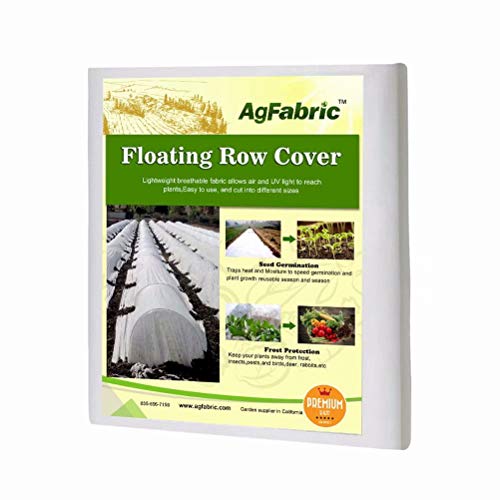
Heavy-weight FRCs (.9-1.2 oz./sq. yard): Are usually used to extend the growing season in spring and fall, allow 30%-50% light transmission, and recommend of freeze protection and season extension

Great Helper for Gardening: This YDSL plant covers freeze protection is ideal for gardening enthusiasts and gardeners to protect plants and vegetables, so that your favourite plants can grow as safely as possible in an environment that is more suited to their needs. Garden bed cover is not only suitable for professional growers, but also for beginners in transplanting techniques, with which planting can be done with ease.
Using Covers and Blankets
Covers and blankets act as insulative layers that shield your trees. Use lightweight, breathable fabrics like row covers, frost cloths, or even old sheets.
- Cover trees in the evening before a frost is expected. Make sure to secure the edges to prevent wind from blowing them away.
- Remove covers in the morning once temperatures rise to avoid overheating. This ensures your trees receive adequate sunlight and warmth.
- Use stakes or frames to lift the cover above the blooms. This increases airflow and reduces the risk of damage to your blossoms.
Watering Techniques Before Frost
Watering your trees before a frost can create a protective microclimate.
- Soak the ground around the trees thoroughly the day before frost is expected. This helps retain heat during the cold night.
- Focus on the root zone to ensure optimal moisture retention. This layer provides essential warmth as the temperatures drop.
- Avoid watering right before a frost. If water freezes, it can create ice that damages the buds and blossoms.
By implementing these active protection measures, you can effectively safeguard your flowering fruit trees from the adverse effects of late frosts.
Post-Frost Care for Trees
Post-frost care is crucial to help flowering fruit trees recover and thrive after frost events. Prompt and proper actions can make a significant difference in tree health.
Recommended Products

Sharp & Rustproof: Our garden scissors are made of premium stainless steel material, which has corrosion resistance and good hardness. Sharp blades can quickly finish pruning tasks for gardens, vegetable gardens, orchards, and indoor plants

CLEAN CUTS FOR LIVE GROWTH: Bypass blade design is ideal for pruning delicate flower stems and green growth, helping reduce crushing and plant damage while cutting stems and small branches up to 5/8” in diameter

DUAL CUTTING POWER: VERSATILE PRUNING COMBO --- With both Pruning Shears and Pruning Snip, this combo delivers unmatched versatility. Whether you're delicately trimming flowers and shrubs, tackling thicker tree branches, or tending to your vegetable and fruit garden, our combo pack excels in all areas. They're also perfect for landscaping projects and maintaining the health and appearance of indoor plants. With this pack, you have a versatile tool that simplifies your gardening tasks.
Evaluating Damage
Assess the extent of frost damage on your trees as soon as conditions allow. Look for blackened or wilted buds, blossoms, and leaves. Pay attention to the overall structure.
- Check Blooming Stage: Different trees possess varying sensitivity levels during blooming. For example, apple blossoms may survive light frost better than cherry blossoms. Identifying which stage your trees were in at the time of frost provides insight into potential recovery.
- Observe Leaf Condition: Examine leaves for signs of browning or distortion. Damaged foliage may require removal to enhance air circulation and promote healthy new growth.
- Inspect Tree Bark: Assess for cracking or other structural damage on the bark. This could expose the tree to pests and diseases.
Pruning Techniques
Pruning helps address frost damage and encourages healthy growth post-frost. Strategic pruning accelerates recovery while ensuring the tree’s vitality.
- Remove Affected Parts: Cut away dead or damaged buds, blossoms, and leaves using clean, sharp pruning shears. This reduces stress on the tree and prevents further energy expenditure on damaged areas.
- Shape the Tree: Focus on maintaining a balanced shape by pruning to open up crowded areas. This allows more sunlight and airflow, crucial for healing.
- Timing Matters: Perform pruning as soon as you assess the damage. Avoid pruning during wet conditions to minimize the risk of infection.
Proper evaluation and effective pruning methods directly influence your trees’ recovery and future productivity. By taking these steps, you foster a nurturing environment that supports healthy growth.
Conclusion
Protecting your flowering fruit trees from frost doesn’t have to be overwhelming. By understanding the types of frost and their impacts you can take proactive steps to safeguard your trees.
Implementing pre-frost strategies like proper location and soil preparation sets the stage for success. When frost threatens you can use covers and watering techniques to create a protective environment.
After a frost event don’t forget to assess any damage and care for your trees with thoughtful pruning. With these simple yet effective measures you can enjoy the beauty and bounty of your fruit trees for years to come. Happy gardening!
Frequently Asked Questions
What types of frost can affect flowering fruit trees?
Different types of frost can impact flowering fruit trees, including radiation frost, advection frost, and hoarfrost. Radiation frost occurs on clear nights when heat escapes from the ground, while advection frost arises from warm air meeting cold air masses. Hoarfrost forms when moisture freezes on surfaces. Each type has distinct causes and effects on tree blossoms.
How do I know if my fruit tree blossoms are at risk?
Fruit trees have specific temperature thresholds where their blossoms become vulnerable. For example, apple blossoms can be damaged below 28°F, while peach blooms are at risk below 30°F. Knowing these temperatures allows gardeners to monitor conditions and act promptly to protect their trees.
What pre-frost protection strategies should I use?
To prepare for frost, select proper tree locations that are shielded from cold winds and avoid low spots where cold air settles. Additionally, prepare the soil by ensuring good drainage, adding organic matter, and mulching to insulate roots. These steps create a better environment for your trees.
How can I actively protect my trees during frost events?
During frost events, cover your trees with lightweight fabrics or old sheets in the evening before frost and remove them in the morning to prevent overheating. Watering the soil thoroughly before frost can also help create a protective microclimate, but avoid watering immediately before frost.
What post-frost care should I provide for my trees?
After a frost, assess any frost damage by examining buds, blossoms, and leaves for blackening or wilting. Inspect the tree’s bark and foliage for signs of harm. Effective pruning can help remove affected areas and promote healthy growth, so prune promptly while avoiding wet conditions.
