

Guava trees can thrive in Indiana with proper care and attention. Local gardeners can successfully grow these tropical plants by selecting the right varieties and implementing effective cultivation techniques.
Guava Varieties for Indiana Gardeners
When considering guava trees for cultivation in Indiana, it’s essential to choose the right varieties that can thrive in the local climate. Certain types are better suited for the region’s conditions, offering gardeners the best chance for successful growth and fruit production. This section highlights the most suitable guava varieties for Indiana gardeners.
Guava trees come in several varieties, each with unique characteristics that may affect their growth in Indiana’s climate. The Tropical Guava and Pineapple Guava are popular choices for local gardeners.
Tropical Guava is known for its sweet fruits and adaptability, while Pineapple Guava offers ornamental value along with edible fruit. Understanding these varieties helps in selecting the best fit for your garden.
Top Guava Varieties for Indiana Gardens
When selecting guava varieties for Indiana gardens, it’s essential to consider local climate conditions and soil types. Certain species thrive better in this region, offering gardeners the best chance for a fruitful harvest. This section highlights the top guava varieties suited for Indiana, ensuring you can cultivate these tropical delights successfully.
| Variety | Growth Habit | Fruit Flavor | Hardiness Zone |
|---|---|---|---|
| Tropical Guava | Shrub | Sweet | 9-11 |
| Pineapple Guava | Small tree | Tart and sweet | 8-10 |
| Strawberry Guava | Shrub | Strawberry-like | 9-11 |
Garden Preparation for Guava Tree Success
Preparing your garden for guava trees in Indiana requires careful planning and attention to local conditions. Understanding the specific needs of these tropical plants can significantly enhance their chances of thriving in a climate that may not be naturally suited for them. This section provides essential tips to ensure your garden is ready for successful guava cultivation.
Proper preparation of the garden is crucial for the successful growth of guava trees. Start by selecting a location that receives full sunlight for at least six hours daily.
The soil should be well-draining and rich in organic matter. Conduct a soil test to determine pH levels and nutrient content. Amend the soil as necessary to create an optimal growing environment.
Recommended Products

Quick, at home results for Soil pH, Nitrogen, Phosphorous and Potash Innovative and inexpensive soil test kit features an easy-to-use capsule system and patented color comparators

Kindly NOTE: This soil tester can not be applied to test pH value of any other liquid. If the soil is too dry the indicator will not move, and water it before testing.

Comprehensive Soil Analysis: Liquid soil test kits offer a comprehensive analysis of essential soil parameters, including pH, ammonia, nitrogen, phosphorus, and potassium. Having all these measurements in one kit provides a holistic understanding of the soil's fertility and health.
Soil Testing for Guava Cultivation
Understanding the soil conditions is crucial for successful guava cultivation in Indiana. Soil testing provides valuable insights into nutrient levels, pH balance, and overall fertility, enabling gardeners to create the optimal environment for their guava trees. This section will guide you through the essential steps of soil testing to ensure your plants thrive.
Test Soil: Use a soil testing kit to check pH and nutrient levels.
Amend Soil: Add compost or well-rotted manure to improve fertility.
Ensure Drainage: Mix in sand or perlite if the soil retains too much moisture.
Optimal Timing for Guava Tree Planting
Understanding the best time to plant guava trees in Indiana is crucial for successful cultivation. Local gardeners must consider seasonal factors and climate conditions to ensure healthy growth and fruit production. This section provides expert insights on the optimal timing for planting guava trees, tailored specifically for Indiana’s unique environment.
When planting guava trees, timing and technique are essential for success. The best time to plant is in the spring after the last frost.
Dig a hole that is twice the width of the root ball and just as deep. Place the tree in the hole, ensuring that the root collar is level with the soil surface. Backfill with soil and water thoroughly to eliminate air pockets.
Optimal Planting Time for Guava Trees
Understanding the optimal planting time for guava trees is crucial for gardeners in Indiana looking to cultivate these tropical fruits successfully. Timing can significantly affect growth and yield, so it’s important to consider local climate conditions and seasonal changes. This section will provide essential insights to help you make informed decisions for your guava tree planting.
Select Planting Time: Aim for spring after frost.
Dig Hole: Create a hole twice the width of the root ball.
Position Tree: Place the tree with the root collar level with the soil.
Backfill and Water: Fill the hole with soil and water thoroughly.
Maintaining Healthy Guava Trees in Indiana
Maintaining healthy guava trees in Indiana requires an understanding of the unique climate and soil conditions in the region. Local gardeners can benefit from tailored care techniques that address challenges such as temperature fluctuations and pest management. This section offers practical tips to ensure your guava trees thrive in Indiana’s environment.
Ongoing care is vital for maintaining healthy guava trees. Regular watering, especially during dry spells, helps establish strong roots.
Fertilize with a balanced fertilizer every few months to promote growth. Pruning is also necessary to remove dead or diseased branches and to shape the tree for better air circulation.
Recommended Products
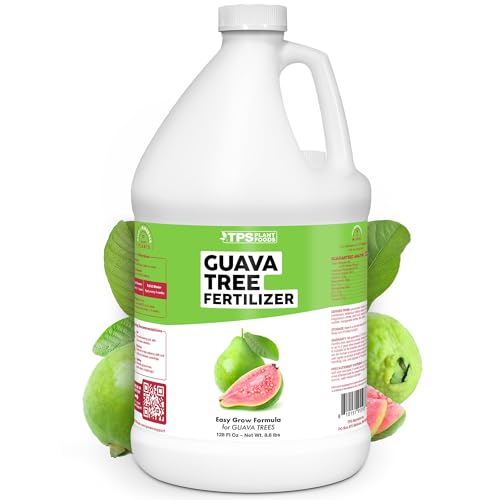
Supports Flowering & Fruit Production – Helps encourage strong flowering, fruit set, and consistent guava development.

Package contains 4 Pounds organic fruit and citrus fertilizer grains and is produced to avoid wasteful runoff, mess, hazards and smells
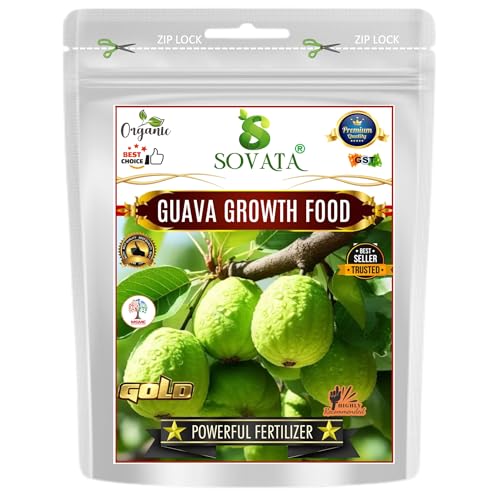
Essential Nutrients: This organic fertilizer contains all the essential nutrients guava plants need for maximum growth and heavy fruiting including nitrogen, phosphorus, potassium, and microorganisms.
Watering Techniques for Guava Trees
Effective watering is crucial for the health of guava trees, especially in Indiana’s unique climate. Understanding the specific needs of these tropical plants can help local gardeners ensure optimal growth and fruit production. This section provides expert tips on the best watering techniques to support your guava trees throughout the growing season.
Watering: Water deeply once a week during dry periods.
Fertilizing: Apply a balanced fertilizer every 6-8 weeks.
Pruning: Trim branches in late winter to encourage new growth.
Guava Tree Pest and Disease Control
Managing pests and diseases is crucial for the health of guava trees in Indiana. Local gardeners must be vigilant in identifying common threats that can impact growth and fruit production. This section offers expert advice on effective strategies for controlling pests and diseases, ensuring your guava trees thrive in the Midwest climate.
Guava trees can be susceptible to pests and diseases, which can hinder growth and fruit production. Common pests include aphids and spider mites.
Implementing integrated pest management strategies can help control these issues. Regularly inspect the leaves and stems for signs of infestation and treat with organic insecticides if necessary.
Recommended Products


ADVANCED FORMULA: Emulsifiers built into the formula so you just add water. 100% pure oils require an emulsifier to allow oil and water to mix. Nature's IQ has this already built in so you just add water.

Pest Management Strategies for Guava Trees
Managing pests effectively is crucial for the health and productivity of guava trees in Indiana. Local gardeners face unique challenges due to the region’s climate and ecosystem, making tailored pest management strategies essential. This section outlines practical approaches to protect your guava trees from common pests while promoting their growth and fruiting potential.
| Pest | Symptoms | Treatment |
|---|---|---|
| Aphids | Curling leaves | Neem oil or insecticidal soap |
| Spider Mites | Webbing on leaves | Horticultural oil |
| Whiteflies | Sticky residue on leaves | Yellow sticky traps |
Optimal Timing for Guava Harvest
Understanding the optimal timing for guava harvest is crucial for gardeners in Indiana looking to maximize their yield and fruit quality. This section will provide insights into the best practices for determining when to pick guavas, ensuring that the fruit reaches its peak flavor and texture. Timing can significantly impact the overall success of your guava cultivation efforts.
Harvesting guava fruit requires careful timing to ensure the best flavor. Guavas are typically ready to harvest when they change color and emit a sweet aroma.
Gently twist the fruit to detach it from the branch. Handle the fruit carefully to avoid bruising.
Guava Harvesting Techniques for Indiana
Harvesting guavas in Indiana requires specific techniques to ensure the fruit reaches its peak flavor and quality. Local gardeners must consider timing, proper tools, and methods to handle the delicate fruit, all while adapting to the unique climate conditions of the region. Understanding these strategies will help maximize yield and enhance the overall gardening experience.
Monitor Color: Look for color change and aroma.
Twist to Harvest: Gently twist the fruit to detach.
Handle with Care: Avoid bruising during collection.
Essential Practices for Guava Tree Success
Growing guava trees in Indiana can be rewarding with the right approach. Ensure you choose the appropriate variety, prepare the soil adequately, and provide ongoing care. Regular monitoring for pests and diseases will help maintain healthy trees and a bountiful harvest.
Guava trees need protection from frost during winter months.
