

Have you ever dreamed of picking fresh mandarins right from your backyard? If you’re considering planting a mandarin tree, you might be wondering how long it’ll take before you can enjoy that sweet reward. It’s a common question for new gardeners eager to taste their homegrown fruit.
Key Takeaways
- Time to Fruit: Mandarin trees typically take 2 to 5 years to bear fruit, depending on the variety and growing conditions.
- Ideal Conditions: Full sunlight, well-draining soil, and proper watering are crucial for healthy growth and fruiting.
- Growth Stages: The seedling stage lasts about six months, followed by a juvenile stage of up to three years, after which the tree matures to bear fruit.
- Variety Matters: Different mandarin varieties, such as Satsuma and Clementine, have varying timelines for fruit production.
- Care Techniques: Pruning, fertilization, and pest management are essential practices that enhance fruit yield and overall tree health.
- Pollination Improvement: Planting multiple trees can increase fruit yield through cross-pollination, leading to more blossoms and fruit.
Understanding Mandarin Trees
Mandarin trees are popular among home gardeners for their sweet, juicy fruits. These trees thrive in specific conditions that can greatly influence their growth and fruit-bearing timeline.
Recommended Products

Supports Growth & Root Development – Orange plant food that helps promote strong roots, healthy foliage, and consistent plant growth.
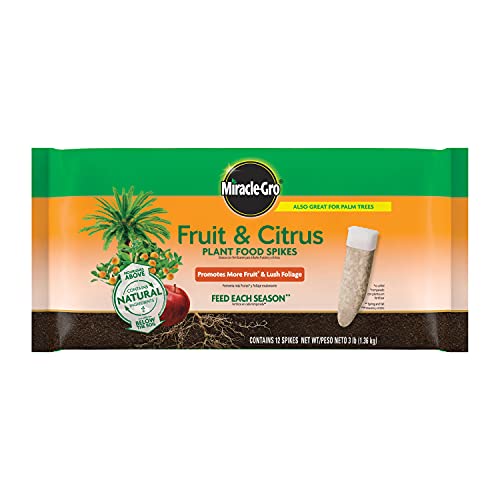
FORMULATED FOR CITRUS AND FRUIT TREES: Use these citrus fertilizer spikes on apple, orange, lemon, lime, and avocado trees; this formula is also great for feeding palm trees

Let our professionally formulated plant food help your citrus tree grow healthy, strong AND abundantly producing
Description of Mandarin Trees
Mandarin trees belong to the Citrus genus. They typically grow as small to medium-sized trees, ranging from 4 to 10 feet in height. Their evergreen leaves are glossy and dark green, providing year-round visual interest. The trees produce fragrant white flowers, which can appear in clusters. Each flower can develop into a fruit that ripens to a bright orange color. Various varieties exist, including Satsuma, Clementine, and Honey mandarin, each with its unique flavor and texture.
Ideal Growing Conditions
Mandarin trees thrive in warm climates, preferring temperatures between 70°F and 100°F. Optimal growing conditions include:
- Sunlight: Mandarins require full sun for at least 6-8 hours daily.
- Soil: Well-draining sandy loam or loamy soil is ideal. Aim for a pH level between 6.0 and 7.0.
- Watering: Regular watering keeps the soil moist but avoid waterlogging. Deep watering once a week during dry spells promotes healthy root growth.
- Fertilization: Use a balanced fertilizer designed for citrus trees, applying it in early spring and late summer.
By ensuring these ideal conditions, you’ll support your mandarin tree’s growth and increase the chances of it bearing fruit within the expected timeframe.
Growth Stages of a Mandarin Tree
Understanding the growth stages of a mandarin tree helps you anticipate when it may bear fruit. Each stage plays a crucial role in the development of your tree.
Seedling Stage
During the seedling stage, which lasts about six months, your mandarin tree develops its initial roots and foliage. You’ll notice small leaves emerging from the seed. Ensure the tree gets plenty of sunlight and water to support healthy growth. Using well-draining soil encourages strong roots. This stage is critical; if your seedlings are weak, they may struggle later on.
Juvenile Stage
The juvenile stage spans from six months to around three years. In this phase, your mandarin tree grows rapidly. You’ll see a significant increase in height and the number of leaves. Fertilizing every few months aids in nutrient absorption. Keep an eye out for flower buds, usually appearing at the end of this stage. Proper care during this period sets the foundation for fruit production.
Mature Stage
Once the mandarin tree reaches maturity between three and five years of age, it begins to produce blossoms. The flowers are usually white and fragrant. After pollination, you can expect small green fruits to develop. With optimal conditions and care, your tree should bear fruit within this timeframe. Regular watering and pruning enhance fruit quality and yield.
How Long Before a Mandarin Tree Bears Fruit
Mandarin trees typically take several years to bear fruit, but various factors influence this timeline.
Factors Affecting Fruit Bearing
- Age of the Tree: Younger trees, usually under three years, don’t produce fruit. Trees between three and five years often bear fruit, depending on conditions.
- Variety of Mandarin: Different varieties reach maturity at different rates. For instance, some hybrids may fruit sooner.
- Growing Conditions: Access to full sunlight, well-draining soil, and proper watering practices greatly impacts growth and fruiting timelines. Nutrient-rich soil enhances production.
- Pollination: Cross-pollination can increase fruit yield. Planting multiple trees can encourage more blossoms and fruit.
- Pest and Disease Management: Keeping the tree healthy through regular monitoring for pests and diseases ensures a higher fruit yield.
| Variety | Time to First Fruit (Years) |
|---|---|
| Satsuma | 2-3 |
| Clementine | 3-4 |
| Tangerine (Honey) | 3-5 |
| Owari Satsuma | 3-4 |
| Dancy Tangerine | 3-5 |
Different varieties of mandarins offer various timelines. Understanding these timeframes helps you plan your garden effectively, ensuring you enjoy homegrown mandarins at the optimal time.
Care and Maintenance for Fruit Production
Proper care and maintenance play vital roles in ensuring your mandarin tree bears fruit efficiently. With the right techniques, you can optimize growth and enhance fruit yield.
Recommended Products

FOR USE ON: Use Citrus-tone organic fertilizer for all citrus trees, including lemon, lime, orange, Meyer Lemon Trees as well as for avocado & nut trees

Made for Lemon & Citrus Trees – Formulated to support healthy growth in lemon and citrus plants.

Made for Citrus Tree Plants – Formulated to support healthy growth for Citrus trees and other indoor plants.
Pruning Techniques
Pruning is essential for shaping your mandarin tree and encouraging fruitful growth.
- Timing: Prune during late winter or early spring, before new growth starts. This timing allows the tree to recover quickly and promotes fruiting.
- Removal of Dead or Diseased Branches: Trim off any dead or unhealthy branches. This helps improve air circulation and directs energy toward healthier parts of the tree.
- Cutting Back New Growth: Cut back excessive growth to foster a bushier shape. Focus on thinning out crowded branches to allow more sunlight to reach the inner foliage and flowers.
- Encouraging Fruit Buds: Preserve some older wood when pruning, as fruit often develops on 2-3 year-old wood.
Fertilization Tips
Fertilization provides crucial nutrients that support healthy fruit production.
- Type of Fertilizer: Use a balanced fertilizer that includes nitrogen, phosphorus, and potassium. Organic options like compost or well-balanced citrus fertilizers yield excellent results.
- Timing of Fertilization: Fertilize in early spring as new growth begins, and then again in mid-summer. This schedule helps match nutrient availability with the tree’s growth cycle.
- Application Amount: Follow package instructions for application rates. Generally, a tablespoon of fertilizer for each foot of tree height works well.
- Watering After Fertilizing: Water your tree thoroughly after applying fertilizer. This promotes nutrient absorption and prevents root burn.
By implementing these care strategies, you’ll enhance the health of your mandarin tree and boost its fruit production capabilities.
Conclusion
Growing your own mandarin tree can be an exciting journey. While it takes time for your tree to bear fruit you can enjoy the process of nurturing it along the way. By providing the right conditions and care you’ll set the stage for a fruitful harvest. Remember that patience is key as your tree matures and blossoms.
As you watch your tree grow you’ll not only be rewarded with delicious mandarins but also the satisfaction of your gardening efforts. With a little love and attention your mandarin tree will eventually produce the sweet fruits you’ve been dreaming of. Happy gardening and may your mandarin tree thrive!
Frequently Asked Questions
How long does it take for a mandarin tree to bear fruit?
It typically takes a mandarin tree about three to five years to produce fruit after planting. During the initial stages, the tree must reach maturity, and proper care can significantly influence when you will see your first mandarins.
What factors affect the growth of mandarin trees?
Several factors influence the growth of mandarin trees, including access to full sunlight, well-draining soil, regular watering, and appropriate fertilization. These conditions help ensure healthy growth and increase the chances of fruit production.
Can mandarin trees be grown in containers?
Yes, mandarin trees can be successfully grown in containers. This is ideal for gardeners with limited space. Ensure the container has drainage holes, use quality potting soil, and provide ample sunlight for optimal growth.
How often should I water my mandarin tree?
Mandarin trees require regular watering, especially during dry spells. Water the tree deeply when the top inch of soil feels dry. Avoid overwatering, as this can lead to root rot and hinder growth.
What are some common pests that affect mandarin trees?
Common pests that may affect mandarin trees include aphids, spider mites, and scale insects. Regularly inspect your tree and apply organic pest control methods if an infestation occurs to protect your plant’s health.
How can I enhance the fruit yield of my mandarin tree?
Enhancing fruit yield involves proper care techniques such as regular watering, fertilizing with balanced fertilizers, and timely pruning to encourage healthy branches and fruit buds. Cross-pollination may also boost yield.
What is the best time to prune mandarin trees?
The best time to prune mandarin trees is during late winter or early spring. This timing promotes healthy growth and encourages the development of fruit buds by thinning excessive growth and removing any dead or diseased branches.
