

Have you ever wondered how often persimmon trees produce their delicious fruit? If you’re thinking about planting one or just curious about these beautiful trees, you’re not alone. Many gardeners and fruit enthusiasts share the same question.
Understanding the fruiting cycle of persimmon trees can help you plan your garden better. Whether you’re looking to enjoy fresh persimmons or simply want to appreciate their lovely foliage, knowing when to expect fruit can make all the difference. In this article, you’ll discover the key factors that influence fruit production and what you can do to encourage a bountiful harvest.
Key Takeaways
- Fruiting Cycle: Persimmon trees typically bear fruit annually once they reach maturity, usually between three to five years old. Age significantly impacts fruit production.
- Variety Matters: The frequency and quality of fruit production vary between Asian (D. kaki) and American (D. virginiana) persimmons. Asian varieties tend to produce sweet, larger fruits annually, while American types may yield smaller, astringent fruits irregularly.
- Optimal Growing Conditions: Successful fruiting is influenced by environmental factors such as well-draining soil, adequate sunlight (at least six hours daily), and consistent watering, particularly during dry spells.
- Care and Maintenance: Regular pruning, watering, and fertilization are essential for maintaining tree health and boosting fruit yield. Prune in late winter or early spring, and apply balanced fertilizers in early spring based on soil tests.
- Harvest Timing: Harvest your persimmons when fully colored and slightly soft for maximum flavor. Non-astringent varieties can be picked when bright orange, while astringent types should be fully ripe and soft for optimal taste.
- Pest Management: Regularly inspect persimmon trees for pests and diseases. Implement treatment strategies like neem oil or insecticidal soap to manage pest issues and maintain healthy growth.
Overview Of Persimmon Trees
Persimmon trees thrive in various climates and can produce fruit annually. Understanding their characteristics helps you appreciate their beauty and productivity.
Types Of Persimmon Trees
Two primary persimmon tree types exist:
- Asian Persimmon (D. kaki): Originates from East Asia, known for its larger fruits and sweet flavor. It bears fruit from late summer to fall.
- American Persimmon (D. virginiana): Native to the United States, it produces smaller, often astringent fruits. The fruiting season typically occurs in late fall.
Growth Conditions
Persimmon trees prefer well-draining soil with a slightly acidic to neutral pH. They thrive in full sun, requiring at least six hours of direct sunlight daily. Proper watering is essential, particularly in the first few years.
Fruiting Frequency
Persimmon trees generally bear fruit once they reach maturity, between three and five years old. Factors influencing production include:
- Tree Variety: Asian persimmons often yield more fruit annually compared to American types.
- Pollination: Some varieties require cross-pollination for good fruit set, while others are self-pollinating.
- Weather: Frost during blooming can reduce fruit development.
Harvesting Tips
To harvest persimmons, wait until the fruit is fully colored and slightly soft. For non-astringent varieties, you can enjoy them when they reach a bright orange hue. Astringent varieties taste best when fully ripe and soft.
Fertilization Strategies
Using a balanced fertilizer can enhance fruit production. Apply fertilizers in early spring before the growing season begins. Follow specific recommendations based on soil tests to optimize nutrient levels.
Managing Pests And Diseases
Regularly inspect your trees for pests such as spider mites and aphids. Neem oil or insecticidal soap provides effective treatment. Fungal diseases can be mitigated with proper airflow and timely pruning.
Supporting Healthy Growth
Ensure regular watering during dry spells, especially in the heat of summer. Mulching around the base of the tree retains moisture and suppresses weeds.
By understanding the traits and needs of persimmon trees, you can enhance your gardening experience and enjoy their delicious fruit for years to come.
Factors Influencing Fruit Bearing
Several factors affect how often persimmon trees bear fruit. Understanding these aspects helps you cultivate a more fruitful garden.
Recommended Products

Quick, at home results for Soil pH, Nitrogen, Phosphorous and Potash Innovative and inexpensive soil test kit features an easy-to-use capsule system and patented color comparators
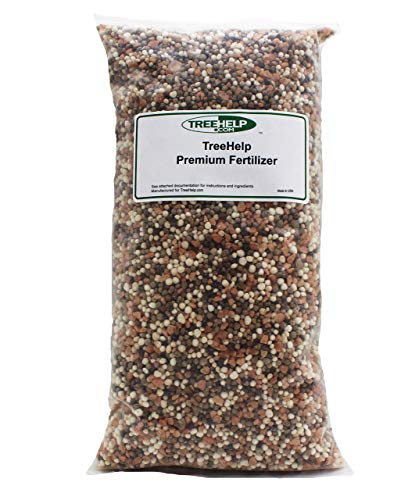
Not Available for Sell in WA, USA

Package contains 4 Pounds organic fruit and citrus fertilizer grains and is produced to avoid wasteful runoff, mess, hazards and smells
Age Of The Tree
Age plays a crucial role in fruit production. Persimmon trees typically start bearing fruit between three and five years old. Younger trees may produce few or no fruits. As trees mature, they generally increase their yield. By the time your tree reaches about six to eight years old, it can produce a substantial harvest each year.
Variety Of Persimmon
The variety of persimmon affects fruiting frequency and quality. The Asian persimmon (D. kaki) often produces larger, sweeter fruits and can bear fruit annually under optimal conditions. In contrast, the American persimmon (D. virginiana) may produce fruit irregularly and is known for its smaller, astringent fruits. Choosing the right variety based on your local climate will enhance your chances of a consistent yield.
Environmental Conditions
Environmental conditions significantly impact fruit production. Key factors include:
- Soil Quality: Well-draining soil supports healthy root growth. Conduct a soil test to determine nutrient needs.
- Sunlight: Full sunlight for at least six hours daily promotes robust fruit development.
- Watering: Consistent watering, especially during dry spells, supports fruit set. Avoid waterlogging to protect roots from disease.
Maintaining optimal conditions maximizes your tree’s fruit-bearing potential, ensuring a healthy and bountiful harvest.
Typical Fruit Bearing Frequency
Persimmon trees bear fruit annually, but the frequency of fruiting can vary based on several factors. Understanding the seasonal patterns and production cycles helps you maximize your harvest.
Recommended Products
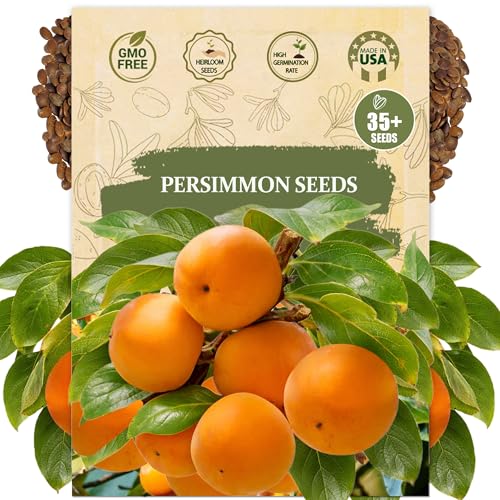
🌳 PERSIMMON TREE SEEDS FOR HOME GARDENS: Persimmon tree seeds are ideal for backyard gardens, raised beds, or seed-starting before transplanting outdoors in suitable climates.
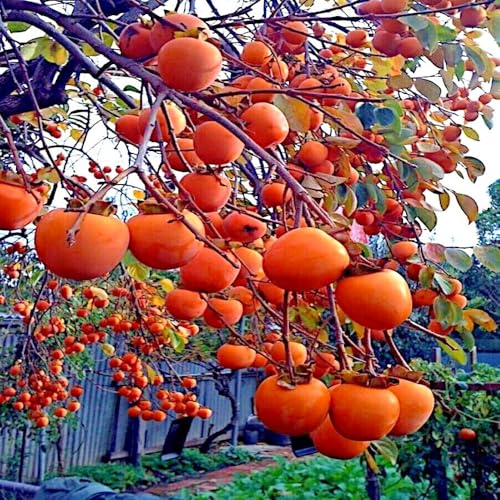
Cold Hardiness: Cold hardy Diospyros seeds survive temperatures down to 10°F once established; Suitable for growing in USDA zones 7-10; More tolerant of temperature fluctuations than many other fruit trees

ESTABLISHED QUART POT: You receive a American Persimmon tree settled in its own quart-sized container, standing 6-12 inches tall. This manageable size is easy for you to handle and is intended to provide a strong beginning for the tree with a more developed root system compared to smaller seedlings or bare-root sticks.
Seasonal Bearing Patterns
Persimmon trees exhibit clear seasonal bearing patterns. Asian persimmon trees typically bloom in mid-spring. Fruits begin to mature from late summer through fall. In contrast, American persimmons flower in spring, bearing fruit later in the fall. The specific timing can change yearly, influenced by local climate variations.
Fruit Production Cycles
Fruit production cycles for persimmons depend on tree age and health. Once trees reach three to five years, they’ll produce fruit consistently every year. Young trees might not bear fruit until they’ve matured fully. Well-cared-for mature trees can yield up to 100–200 fruits in a season.
Environmental conditions, such as soil quality and water availability, also affect fruit cycles. Ensure your trees receive adequate care. This way, you enhance their productivity and enjoy plentiful harvests.
Care And Maintenance Tips
Caring for your persimmon trees ensures healthy growth and abundant fruit production. Follow these tips on pruning, watering, and fertilization for optimal results.
Recommended Products
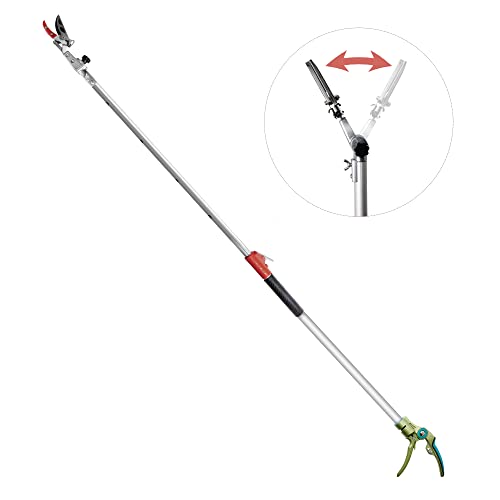
[Helpful Garden Tool] GARTOL brings to you a lightweight and extendable pruning tool to reach out to the least approachable arenas of your garden. You can conveniently get across other plants to remove the fastgrowing brambles and sting nettles without getting scratched or hurt. For gardening lovers, the telescopic pruner cutter head can can be rotated which resolves mobility issues and gives you the pleasure of trimming your garden without bending down or using a ladder to climb and cut them.
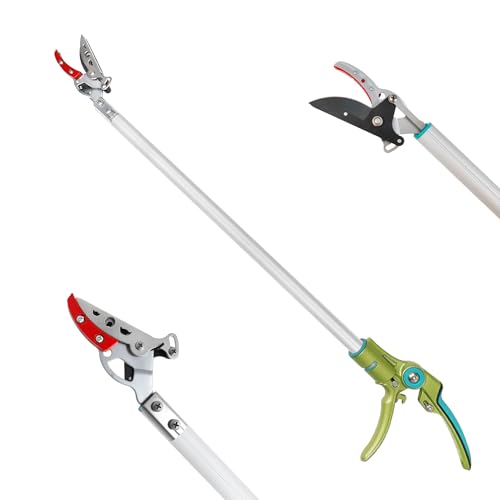
[REACH HIGH & STAY SAFE](No Ladder Required) Say goodbye to wobbly ladders! This 32inch long reach pole pruner offers an extra 30 inches of safe reach, allowing you to prune high branches or tall fruit trees while standing firmly on the ground. It’s the perfect extension tool for maintaining your backyard without the risk of falling.

1:EXTENDABLE REACH FOR LADDER-FREE SAFETY – Acting as both a reliable tree pruner and a fruit picker pole, this tool effortlessly extends from 3.28 to 5.25 FT to reach high branches up to 10 FT from the ground. The innovative rotating and locking head allows for precise angles without unstable ladders or risky stretching, ensuring maximum safety.
Pruning Practices
Pruning persimmon trees promotes better air circulation and sunlight exposure. Start pruning in late winter or early spring before new growth begins. Here’s how to prune effectively:
- Remove dead or damaged branches to prevent disease spread.
- Thin out crowded areas to improve airflow; keep the tree’s center open.
- Shape the tree by cutting back long limbs to encourage a more balanced structure.
- Focus on maintaining a height that makes harvesting easier.
Regular pruning not only maintains tree health but also enhances fruit quality.
Watering and Fertilization
Watering and fertilization are crucial for persimmon trees, especially during their early years. Here’s how to implement effective strategies:
- Watering: Water young trees weekly, ensuring the soil remains consistently moist, but avoid waterlogging. For mature trees, water less frequently; once every two to three weeks during dry spells suffices.
- Fertilization: In early spring, apply a balanced fertilizer based on soil test results. For general guidance, use a 10-10-10 NPK fertilizer. Avoid excessive nitrogen, which can lead to excessive foliage growth at the expense of fruit production.
By adhering to these watering and fertilization tips, you enhance the chances of a fruitful harvest each season.
Conclusion
Growing persimmon trees can be a rewarding experience. With the right care and understanding of their fruiting cycles you can enjoy bountiful harvests each year. Remember that patience is key as these trees take a few years to start producing fruit.
By focusing on optimal growing conditions and proper maintenance you’ll set yourself up for success. Whether you’re looking to enjoy fresh persimmons or simply appreciate the beauty of these trees their potential is truly remarkable.
So get out there and nurture your persimmon trees. You’ll be rewarded with delicious fruit and the joy of gardening.
Frequently Asked Questions
How often do persimmon trees produce fruit?
Persimmon trees typically bear fruit annually, but this can vary depending on factors like tree age, variety, and environmental conditions. Younger trees might produce little to no fruit, while mature trees yielding 100-200 fruits in a favorable season is common.
What are the main types of persimmon trees?
The two primary types of persimmon trees are the Asian persimmon (D. kaki) and the American persimmon (D. virginiana). Asian persimmons produce larger, sweeter fruits from late summer to fall, while American persimmons yield smaller, astringent fruits later in the fall.
At what age do persimmon trees start bearing fruit?
Persimmon trees generally start producing fruit between three and five years of age. Proper care during their early years significantly influences their fruit production capabilities as they mature.
What factors influence the fruit production of persimmon trees?
Key factors include the tree variety, age, pollination needs, soil quality, sunlight exposure, and consistent watering. Maintaining optimal conditions helps maximize fruit-bearing potential.
When should I harvest persimmons?
Harvest persimmons when the fruit is fully colored and slightly soft to the touch. This ensures the optimal flavor and sweetness, making for a delicious experience.
How can I care for my persimmon trees?
Effective care includes regular pruning, proper watering, and balanced fertilization. Young trees require weekly watering, while mature ones need less. Prune to remove dead branches and improve air circulation for healthy growth.
What are the best watering practices for persimmon trees?
Water young persimmon trees weekly to establish root systems, while watering mature trees less frequently. Ensure well-draining soil to prevent root rot and promote healthy growth.
How do I manage pests and diseases in persimmon trees?
Regular inspections are essential. Use neem oil for pest management and maintain healthy growth through adequate watering and mulching to reduce disease risks. Keep an eye out for common issues and take preventative measures.
