

If you're thinking about growing guava trees in your garden, you might be concerned about how they'll handle frost. The survival of guava trees in frost depends on the variety you choose and the care you provide.
Knowing which guava varieties can withstand frost and how to protect them is important. There are ways to help your guava trees survive frost and recover from any damage.
Stay tuned to learn how to ensure your guava trees thrive in frosty conditions.
Key Takeaways
- Red Malaysian, Mexican Cream, and Pineapple Guavas are suitable guava varieties for frost-prone regions.
- Guava trees exhibit varying degrees of frost tolerance, with different varieties having different levels of tolerance.
- To protect guava trees from frost damage, cover them with blankets or frost cloth, apply mulch around the base, and erect temporary windbreaks.
- After a frost, assess the damage, prune away dead branches, and provide adequate water and nutrients for recovery.
Suitable Guava Varieties for Frost
For gardeners in frost-prone areas, selecting guava varieties that are tolerant to cold temperatures is essential for successful cultivation. When considering guava tree climate requirements, it's crucial to choose cold hardy guava varieties that can withstand low temperatures and even occasional frosts.
Some popular cold hardy guava varieties include the Red Malaysian, Mexican Cream, and the Pineapple Guavas. These varieties are known for their ability to tolerate colder conditions compared to other guava cultivars.
The Red Malaysian guava, for instance, can withstand temperatures as low as 22°F (-5°C) for short periods. Similarly, the Mexican Cream and Pineapple Guavas are resilient in colder climates, making them suitable choices for gardeners in frost-prone regions.
Recommended Products

Live plants are approximately 3"-8"+' + Tall and shipped in 2" pots.


Hardiness zones: USDA 10–11; No shipping to HI, PR, AK, CA
Understanding Guava Tree Frost Tolerance
Guava trees exhibit varying degrees of frost tolerance, which can significantly impact their ability to thrive in colder climates. Understanding the frost tolerance of guava trees is crucial for successful cold weather gardening and proper guava tree care. Below is a table outlining the frost tolerance of different guava tree varieties:
| Guava Variety | Frost Tolerance | Recommended Growing Zones |
|---|---|---|
| Variety A | High | 9-11 |
| Variety B | Medium | 8-10 |
| Variety C | Low | 8-9 |
| Variety D | High | 9-11 |
| Variety E | Medium | 8-10 |
Protecting Guava Trees From Frost Damage
To protect your guava trees from frost damage, it's essential to implement proactive measures that shield them from the detrimental effects of freezing temperatures. Here are some key steps for winter care and frost protection:
- Covering: Use blankets, burlap, or frost cloth to cover the guava trees when frost is expected. This helps to trap the ground heat and protect the trees from freezing.
- Mulching: Apply a thick layer of mulch around the base of the trees to insulate the roots and retain soil warmth.
- Watering: Keep the soil around the trees moist, as moist soil retains more heat than dry soil and helps to protect the roots from freezing.
- Windbreaks: Erect temporary windbreaks using burlap or wooden stakes to shield the guava trees from cold winds, which can exacerbate frost damage.
Recommended Products
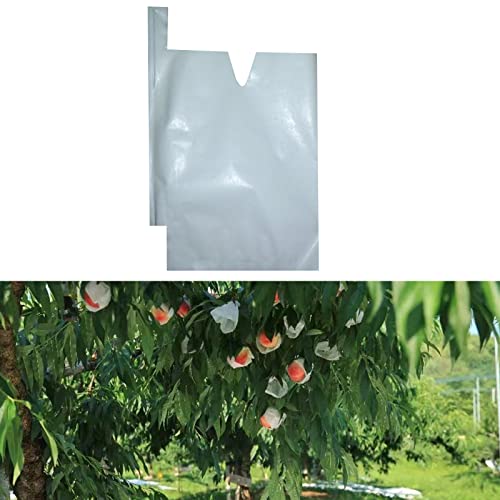
Safe Protector : Protect your apples, peaches, pears, persimmons, dragon fruits, guavas, tomatoes, potatoes, bananas, oranges, plums, nectarines, veggies

PACKAGE: The package includes 4Pcs plant covers,will meet your daily use or replacement. Measuring 31.5" x 47.3", the plant protector is waterproof, windproof.

BETTER SOLUTION FOR DOING ORGANIC GARDENING:If you are doing organic gardening, or just want to reduce pesticide use, Remiawy shrub winter covers are the better choice for you. Reusable season after season,this quality winter shrub cover is made from tear-proof and breathable fabric. The material allows air and moisture to reach plants. Remiawy plant covers for animal protection will help protect branches buds and fruits from hungry deer,rabbits,worms and birds
Recovering Guava Trees After Frost
After enduring frost damage, your guava trees require careful attention and specific recovery efforts to ensure their health and vitality in the coming seasons.
Start by assessing the extent of the damage. Pruning techniques are crucial; trim away any dead or damaged branches, but avoid excessive pruning, as this can stress the tree further.
Once pruned, focus on soil insulation. Apply a thick layer of mulch around the base of the tree to help regulate soil temperature and moisture levels. Additionally, consider using a frost cloth to protect the tree during future cold spells.
Ensure the tree receives adequate water and nutrients to support its recovery.
With proper care and patience, your guava trees can bounce back from frost damage and thrive once again.
Recommended Products
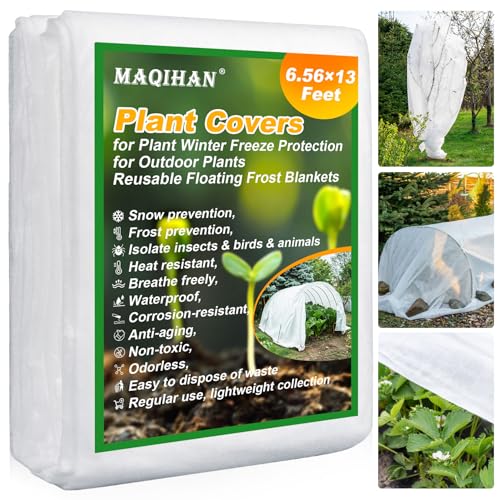
Product Features: Our plant covers are ideal for protecting all plant. Made from premium 1 oz/sq non-woven fabric, their durability and breathability ensuring both insulation against frost and facilitation of sunlight penetration for healthy plant growth
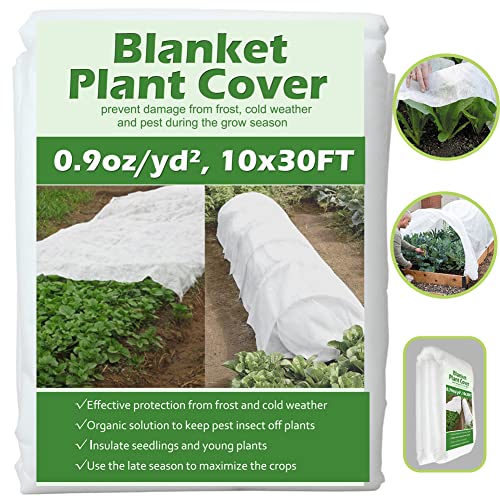
※Big Size to cover large area : The size of our plant cover is 10x30ft, the size can cover large areas. You can cut the plant covers freeze protection into different sizes for different use. You can cover it over the plant such as shrub tomato, pepper, pumpkin, and so on.

More Larger Sizes Rectangular Plant Covers Freeze Protection: The Garutom frost plant covers are available in three sizes (8 ft x 24 ft, 10 ft x 33 ft, 10 ft x 50 ft), you can choose the size you need most. The plant blanket can be easily cut with scissors to fit over whatever you want
Tips for Preventing Frost Damage to Guava Trees
When preparing your guava trees for potential frost, it's essential to take proactive measures to protect them from damage and ensure their continued health and vitality. Here are some tips to prevent frost damage to your guava trees:
- Preparing Soil: Prior to the frost season, ensure the soil around the guava trees is well-drained. Excess moisture can make the tree more susceptible to frost damage.
- Pruning Techniques: Trim the guava trees before the frost season to remove any dead or weak branches. This will promote healthy growth and reduce the risk of damage during frost.
- Mulching: Apply a thick layer of mulch around the base of the tree to insulate the soil and protect the roots from freezing temperatures.
- Covering: Use frost cloths or blankets to cover the guava trees during frosty nights, providing an extra layer of protection against the cold.
Conclusion
In conclusion, by selecting suitable guava varieties, protecting them from frost damage, and providing recovery support if needed, you can help your guava trees thrive even in frosty conditions.
With the right care and attention, guava trees can withstand cold temperatures and continue to flourish.
Consider these factors to ensure the survival and success of your guava trees in colder climates.
