

Ever wondered if you can grow your own fruit trees even if you don’t have a big backyard? You’re not alone! Many people face space limitations but still dream of fresh fruit right at home.
Key Takeaways
- Container Gardening Benefits: Growing fruit trees in pots is a practical solution for those with limited space, enabling you to enjoy homegrown fruit regardless of your living arrangements.
- Ideal Fruit Varieties: Dwarf fruit trees, fruiting shrubs, and citrus trees are particularly suited for container growth. Options like ‘Honeycrisp’ apples, blueberries, and ‘Improved Meyer’ lemons excel in pots.
- Proper Care Essentials: Regular watering, balanced fertilization, and annual pruning are crucial for maintaining healthy potted fruit trees and promoting robust harvests.
- Optimal Growing Conditions: Ensure pots have adequate size (10-15 gallons), proper drainage, and receive at least 6-8 hours of sunlight daily for optimal growth.
- Common Challenges: Pests and seasonal changes can threaten potted fruit trees; regular inspection, organic pest control, and protective measures help mitigate these challenges.
- Year-Round Growth Potential: With appropriate care, certain fruit tree varieties can produce fruit year-round, particularly when provided with protective indoor accommodations during colder months.
Understanding Fruit Trees in Pots
Growing fruit trees in pots is a practical solution for limited spaces. Container gardening allows you to enjoy fresh fruit no matter your living situation. Here’s what you need to know.
Types of Fruit Trees Suitable for Pots
- Dwarf Varieties: Look for dwarf fruit trees. They thrive in smaller spaces and maintain a manageable size. Examples include dwarf apple and peach trees.
- Fruiting Shrubs: Consider fruiting shrubs such as blueberries and raspberries. They flourish in pots and produce delicious yields.
- Citrus Trees: Citrus trees like lemons and limes adapt well to container life. They offer fragrant blossoms and tasty fruits.
Benefits of Growing Fruit Trees in Pots
- Space Efficiency: Pots utilize vertical and limited space effectively. You can arrange them on patios, balconies, or even indoors.
- Mobility: Move pots to optimize sunlight exposure. Adjusting their location can enhance growth and fruit production.
- Soil Control: Potted trees allow you to manage soil quality easily. You can choose the right mix for specific fruit trees, ensuring their health.
Essential Care Tips for Potted Fruit Trees
- Watering: Check the soil moisture regularly. Ensure consistent watering since containers can dry out more quickly than ground soil.
- Fertilizing: Use a balanced fertilizer. Feed your trees during the growing season to promote robust fruit production.
- Pruning: Prune annually to maintain shape and encourage growth. Remove dead or overcrowded branches to enhance air circulation.
- Can I grow fruit trees year-round in pots? Yes, with proper care, certain varieties can produce fruit throughout the year, especially if you provide indoor accommodations during colder months.
- What size pot do I need? A pot with a diameter of at least 18-24 inches works well for most fruit trees. Ensure enough room for root development.
- Do I need to stake my potted trees? Staking may be necessary for taller varieties to provide support against wind and heavy fruit.
With the right choices and care, you can successfully grow fruit trees in pots, enjoying the benefits of fresh, homegrown fruit.
Benefits of Growing Fruit Trees in Containers
Growing fruit trees in pots offers several advantages that make them an appealing choice for gardeners with limited space. You’ll enjoy the flexibility and convenience of container gardening, allowing you to experience fresh fruit harvests regardless of your living situation.
Space Efficiency
Space efficiency ranks as a primary benefit of growing fruit trees in containers. You can fit potted trees on balconies, patios, or small yards where traditional planting isn’t feasible. Dwarf varieties like the ‘Honeycrisp’ apple or ‘Starkrimson’ peach thrive in limited space, offering productive yields without demanding a large area. Moreover, arranging containers creatively maximizes available sunlight while creating a visually appealing garden.
Easy Maintenance
Easy maintenance simplifies container gardening. Because pots contain a confined space, you can closely monitor soil moisture and nutrient levels. You can water and fertilize with precision, promoting healthier plants. For instance, adding a slow-release fertilizer can support growth throughout the season. Additionally, pruning becomes more manageable, allowing you to maintain tree shape and encourage better fruit production. Regular checks for pests also become straightforward, ensuring your trees stay healthy and fruitful all year long.
Choosing the Right Fruit Trees
Selecting the right fruit trees for pots ensures successful growth and fruit production. Look for varieties that thrive in limited space while meeting your taste preferences.
Recommended Products

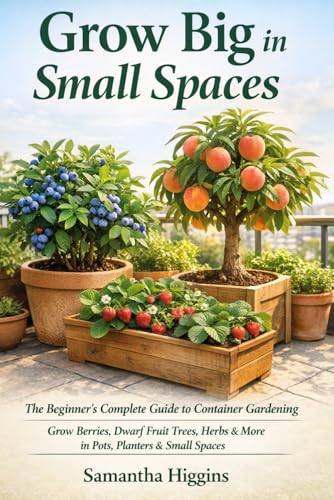
Product Quantity: 180+ premium bonsai fruit seeds across 5 varieties; Individual packs contain 40+ apple, 40+ lemon, 40+ orange, 20+ blueberry, and 40+ cherry seeds; Perfect for starting a diverse miniature orchard

Best Varieties for Pots
- Dwarf Apple Trees: Varieties like ‘Honeycrisp’ or ‘Fuji’ produce delicious apples while fitting nicely in containers. They grow to about 3 to 6 feet tall.
- Dwarf Peach Trees: Consider ‘Starkrimson’ or ‘Pix Zee’. These trees offer sweet peaches and only reach heights of 3 to 4 feet.
- Fruiting Shrubs: Blueberries and raspberries flourish in pots, providing abundant harvests. Choose compact types like ‘Jelly Bean’ blueberries.
- Citrus Trees: Lemon and lime trees, such as ‘Improved Meyer’ lemon and ‘Persian’ lime, are perfect for pot growing. They enjoy sunny spots and can stay around 3 to 4 feet tall.
- Pot Size: Ensure pots have at least 10 to 15 gallons of capacity for optimal development.
- Sunlight: Most fruit trees require 6 to 8 hours of full sunlight daily. Position them in bright areas.
- Water Drainage: Use containers with drainage holes to prevent root rot. Consider adding a layer of gravel at the bottom of pots.
- Climate Suitability: Choose trees suited to your local climate. Research each variety’s hardiness zone before purchasing.
- Soil Quality: Use high-quality potting mix, which retains moisture while draining well. Regularly check nutrient levels and amend as necessary.
Essential Care Tips for Potted Fruit Trees
Caring for potted fruit trees requires a few essential strategies to ensure healthy growth and fruitful harvests. Here are some crucial guidelines to follow.
Recommended Products
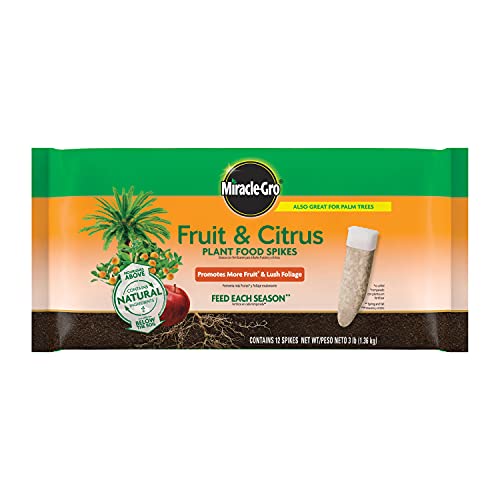
FORMULATED FOR CITRUS AND FRUIT TREES: Use these citrus fertilizer spikes on apple, orange, lemon, lime, and avocado trees; this formula is also great for feeding palm trees

Made for Citrus Tree Plants – Formulated to support healthy growth for Citrus trees and other indoor plants.

Package contains 4 Pounds organic fruit and citrus fertilizer grains and is produced to avoid wasteful runoff, mess, hazards and smells
Watering Strategies
Watering potted fruit trees demands a consistent approach. Check the soil moisture weekly. If the top inch feels dry, it’s time to water. Make sure to thoroughly soak the roots but avoid standing water, which leads to root rot. During hot weather, trees might need daily watering. Adjust accordingly based on your climate. Consider using a moisture meter for precision.
Soil Requirements
Choosing the right soil enhances your tree’s health. Use a high-quality potting mix designed for container plants. This mixture promotes drainage and provides essential nutrients. Look for soil that contains compost or organic matter. A blend with peat moss or coconut coir retains moisture without becoming soggy. You might also mix in perlite for further drainage.
Fertilization Guidelines
Fertilizing aids fruit development. Use a balanced, slow-release fertilizer formulated for fruit trees every 4-6 weeks during the growing season. Follow package instructions for application rates. Alternate with liquid fertilizers for rapid nutrient uptake. Monitor your tree’s growth; if leaves appear pale or yellow, a nitrogen boost may help. Prioritize organic options for healthier plants and fruit.
Common Challenges and Solutions
Growing fruit trees in pots presents challenges, yet solutions exist to ensure success. Here’s how to tackle common issues.
Recommended Products

KILLS LISTED FRUIT & CITRUS TREE INSECTS: Controls Asian Citrus Psyllid, Whiteflies, Aphids Thrips, Citrus Leafminers, Leafhoppers, Blackfly, Mealybugs, Scales, Avocado Lacebugs, Oriental Beetles, Flea Beetles, Sharpshooters, and Spittlebugs

PLANT DISEASE CONTROL: Natria Neem Oil acts as an insecticide and fungicide in one convenient spray; Ready-to-use trigger sprayer requires no mixing

TRIPLE PROTECTION FORMULA: 3-in-1 solution kills listed insects, controls listed diseases, and controls listed mites with one easy application
Pest Control
Pests can harm potted fruit trees, but proactive measures prevent infestations.
- Inspect Regularly: Check leaves, branches, and soil for signs of pests. Look for webs, holes, or discoloration.
- Use Organic Solutions: Apply insecticidal soap or neem oil to control pests without harming beneficial insects.
- Encourage Beneficial Insects: Attract ladybugs or lacewings by planting companion flowers like marigolds, which help manage pest populations.
- Proper Spacing: Don’t overcrowd pots, as good airflow reduces the likelihood of pests.
Seasonal Protection
Seasonal changes affect potted fruit trees, so protective measures ensure healthy growth year-round.
- Winter Insulation: In colder climates, insulate pots with burlap or bubble wrap to protect roots from freezing temperatures.
- Shade in Summer: Use shade cloth during heatwaves to protect trees from sunburn. Position pots to avoid harsh afternoon sun.
- Move for Sunlight: Adjust pot placement based on seasonal sunlight access. Ensure trees receive at least 6-8 hours of sunlight daily, especially in winter.
- Cover During Frost: Use frost cloths or old sheets to cover trees during unexpected freezes. Remove covers during the day to allow sunlight in.
By addressing pests and protecting your trees seasonally, you’ll enhance your chances of a fruitful harvest.
Conclusion
Growing fruit trees in pots is a fantastic way to enjoy homegrown produce even if you’re short on space. With the right choices and care, you can create a thriving mini orchard on your balcony or patio.
Dwarf varieties and compact fruiting shrubs offer delicious options that fit perfectly in containers. Plus you can easily manage their needs and keep them healthy.
So go ahead and experiment with your own potted fruit trees. With a little patience and attention, you’ll be rewarded with fresh fruit right at your fingertips. Happy gardening!
Frequently Asked Questions
Can I really grow fruit trees in pots?
Yes, you can grow fruit trees in pots, making it possible to enjoy homegrown fruit even in small spaces. Choosing dwarf varieties and compact fruiting shrubs ensures successful growth and fruit production.
What types of fruit trees are best for containers?
Dwarf varieties like ‘Honeycrisp’ apples and ‘Starkrimson’ peaches, compact fruiting shrubs like blueberries, and adaptable citrus trees such as ‘Improved Meyer’ lemons are excellent choices for container gardening.
How do I care for potted fruit trees?
Potted fruit trees require regular watering, balanced fertilization, and annual pruning. Monitor soil moisture weekly and use high-quality potting soil for optimal health.
What pot size do I need for fruit trees?
A pot size of at least 5 gallons is recommended for dwarf fruit trees, while larger varieties may need 10-15 gallons. Ensuring proper drainage is also essential.
How often should I water my potted fruit trees?
Watering frequency depends on weather conditions and pot size, but generally, potted trees should be watered when the top inch of soil feels dry.
Do I need to stake taller fruit trees?
Yes, staking is recommended for taller varieties to provide support and prevent them from tipping over, especially in windy conditions.
What challenges might I face with container fruit trees?
Common challenges include pest control and seasonal protection. Regularly inspect your trees, use organic treatments, and consider seasonal adjustments to optimize growth.
How can I ensure a good harvest from my potted fruit trees?
Choose the right varieties, provide adequate sunlight, ensure proper watering and fertilization, and regularly monitor for pests. Follow care tips for healthy growth.
Can I grow fruit trees indoors?
Yes, some dwarf fruit trees can be grown indoors if they receive enough sunlight, typically at least 6 hours a day. Regular care is essential for indoor success.
When will I start to see fruit from potted trees?
Most dwarf fruit trees can bear fruit within 1 to 3 years of planting. However, this can vary based on the type of tree and care provided.
