

Have you ever wished you could grow your own fruit trees without spending a fortune? If you’ve got a favorite tree that produces delicious fruit, why not multiply it? Propagating fruit trees is a rewarding way to expand your garden and enjoy fresh produce right from your backyard.
Key Takeaways
- Propagation Methods: Fruit trees can be propagated using various techniques, including seed propagation, cuttings, grafting, and layering, each suiting different types of trees and preferences.
- Timing is Crucial: The best time for propagation is during spring or early summer when trees are actively growing, which increases success rates.
- Tools for Success: Essential tools include sharp pruning shears, rooting hormone, spray bottles for moisture, and plastic bags or domes to create a humid environment for cuttings.
- Selecting Healthy Parent Trees: Choose mature, vigorous trees for propagation to enhance the viability of cuttings and seeds; healthy trees lead to stronger new plants.
- Post-Propagation Care: Newly propagated trees require careful attention to watering, sunlight exposure, nutrition, and pest management to thrive successfully in their new environment.
- Observe and Adapt: Regularly monitor the growth progress of your propagated trees and adjust care practices as needed to ensure optimal growth and health.
Understanding Fruit Tree Propagation
Propagation of fruit trees involves creating new plants from existing ones. This method provides several benefits such as cost savings and the ability to maintain desired fruit characteristics.
Common Methods of Propagation
- Seed Propagation
Seed propagation occurs when you plant seeds from ripe fruit. This method may lead to variability, as seeds can produce plants differing from the parent. - Cuttings
Cuttings involve taking a section of a healthy stem or branch. You then plant this cutting directly in soil or a rooting medium. This method ensures the new plants have the same characteristics as the parent. - Grafting
Grafting combines parts from different plants. A scion (the desired fruit variety) is attached to a rootstock (providing hardiness). This encourages growth and health in the new tree. - Layering
Layering involves bending a branch until it touches the soil. The part in contact with the soil develops roots while still attached to the parent plant. You can sever it once roots establish.
When to Propagate
- Timing
Propagation generally works best during spring or early summer when trees are actively growing. - Age of the Tree
Mature trees produce more viable cuttings or scions than younger trees. Ensure your parent tree is healthy and free from disease.
Tools You’ll Need
- Sharp Pruning Shears
For clean cuts when taking cuttings and scions. - Rooting Hormone
This promotes root growth for cuttings taken from softwood species. - Spray Bottle
Keeping cuttings moist boosts their chance of successful rooting. - Plastic Bags or Domes
These create a humid environment for cuttings or grafted plants, promoting growth.
- How long does it take for cuttings to root?
Rooting times can vary but usually range from 2 to 8 weeks, depending on the fruit tree species. - Can you propagate any fruit tree?
Most fruit trees can propagate through methods like cuttings, grafting, or layering, but some may require specific approaches to ensure success.
Methods of Propagation
Propagating fruit trees can involve different techniques. Each method suits various types of trees and personal preferences.
Recommended Products

Package Includes: Contents 1 Manual gardening grafting cutter and 2 rolls of 2 sizes of grafting tape, meeting your needs.
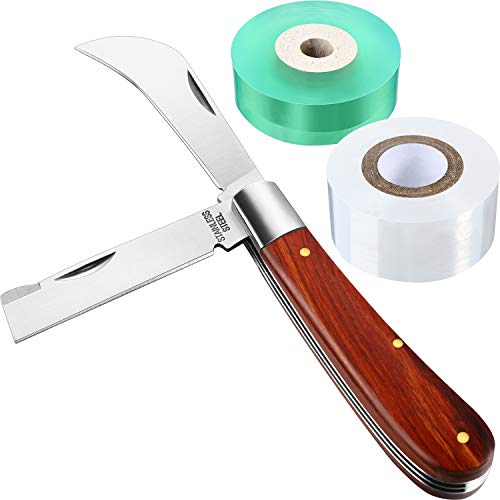
Package includes: you will get 1 double blades garden grafting knife and 2 rolls of grafting tapes in 2 sizes, ideal set for grafting budding, cutting, digging, sprouting, plants, weeding, cutting, sawing, etc.

Seed Propagation
Seed propagation involves planting seeds to grow new trees. Choose seeds from healthy, mature fruit. Clean the seeds to remove any pulp. For best results, stratify seeds by chilling them in the refrigerator for several weeks before planting. This simulates winter conditions. Plant seeds in well-draining soil and keep them moist. Expect germination in a few weeks, depending on the species. Remember, trees grown from seeds may not produce fruit identical to their parent plants.
Cuttings
Cuttings are sections of a healthy tree branch that can develop roots. Choose semi-hardwood cuttings in late spring to early summer. Use sharp pruning shears to cut 6–8 inch segments just below a node. Remove lower leaves, leaving two to three at the top. Dip the cut end in rooting hormone to promote root growth. Plant the cutting in a pot filled with moist potting mix. Cover the pot with a plastic bag for humidity. Remove the bag daily for ventilation. Roots will typically form within 4–8 weeks, depending on the tree type. Once established, transplant the cutting into the ground or a larger pot.
Grafting
Grafting combines parts from two plants to create a new tree. Select a rootstock for strong roots and a scion for desirable fruit. Cut a slanted notch in the rootstock and create a matching cut on the scion. Fit the scion snugly into the notch and secure with grafting tape. Keep the graft covered to promote healing. Successful grafts often take several weeks to bond. Monitor the graft site for growth. Once it shows new growth, remove the tape and care for your newly formed tree. Grafting is efficient for propagating trees that don’t root well from cuttings.
Choosing the Right Time
Choosing the right time for propagating fruit trees significantly impacts success. Propagation typically thrives during specific seasons. Spring or early summer serves as the ideal window. During this period, trees display vigorous growth, making them more adaptable to propagation efforts.
Consider Tree Maturity
You must select healthy, mature trees as sources for propagation. Younger trees may lack the necessary reserves for successful propagation. Mature trees generally produce robust cuttings and seeds, enhancing the likelihood of success.
Monitor Weather Conditions
You should also pay attention to local weather conditions. Too much heat or cold can hinder the rooting process. Aim for a time when daytime temperatures are mild, ideally between 60°F and 75°F. These temperatures help create a conducive environment for new roots to develop.
Timing for Specific Methods
The timing for each propagation method pertains to growth stages:
- Seed Propagation: Collect seeds in late summer or early fall when the fruit ripens, ensuring the best germination rates.
- Cuttings: Take cuttings in the spring when new growth emerges, as this phase promotes rooting.
- Grafting: Perform grafting late winter or early spring, just before the growing season starts, allowing the grafts to establish as trees awaken.
Seasonal Patterns
You should also consider the seasonal patterns of your particular fruit tree species. Some trees favor specific times for propagation. Research the preferred timelines for your selected varieties to achieve optimal results.
Following these guidelines ensures successful propagation, leading to thriving fruit trees in your garden.
Preparing for Propagation
Preparing for propagation involves gathering the right tools and selecting the ideal tree. Both aspects significantly influence your success in multiplying fruit trees.
Recommended Products

PROMOTES ROOTING: Rooting hormone grows new plants from cuttings

ROOTING GEL FOR PLANT CUTTINGS: Miracle-Gro Plant Care Root Starter Gel grows healthy roots for easy propagation; use to grow new plants using leaf and stem cuttings from existing plants
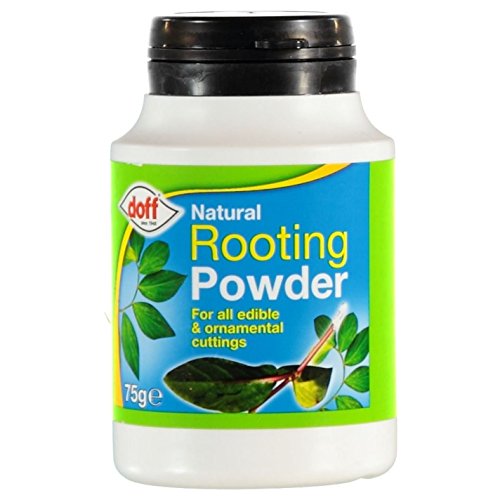
Encourages rooting in all cuttings
Tools and Materials Needed
Gather these tools before starting propagation:
- Sharp Pruning Shears: Ensure clean cuts to minimize damage to the tree.
- Rooting Hormone: Apply to cuttings to promote root growth. Choose either powder or gel form.
- Plastic Bags or Cling Film: Create humidity for cuttings by sealing them in plastic to maintain moisture.
- Plant Pots or Containers: Use these for planting cuttings or seeds with proper drainage.
- Soil Mix: Provide a sterile and well-draining medium for rooting cuttings.
Having these tools ready streamlines the process and improves the chances of success.
Selecting the Right Tree
Choose a healthy, mature tree for successful propagation. Look for these qualities:
- Vigor: Select trees that show strong growth and good health. Avoid any with signs of disease or pest damage.
- Genetic Traits: Consider trees with desirable fruit characteristics such as size, flavor, and disease resistance.
- Environmental Adaptation: Pick trees suited to your local climate and soil conditions. Healthy trees adapted to your region maximize success rates.
By focusing on these elements, you enhance the likelihood of thriving new trees from your propagation efforts.
Caring for Newly Propagated Trees
Caring for newly propagated trees involves tailored attention to ensure optimal growth. Start by focusing on these key aspects:
Recommended Products

Reduce Hand Strain: These micro tip snips are made to reduces hand fatigue which makes them great for those with arthritis, carpal tunnel, hand or wrist issues; Comfortable “grip” handles will make it easy to work for long-time use without making you feel hand pain

CLEAN CUTS FOR LIVE GROWTH: Bypass blade design is ideal for pruning delicate flower stems and green growth, helping reduce crushing and plant damage while cutting stems and small branches up to 5/8” in diameter

LONG-LASTING SHARPNESS: Japanese SK5 bypass blade with titanium coating is tested through 5,000 cuts to maintain a sharp edge and deliver clean, consistent cuts on live stems and branches
Watering
- Monitor soil moisture: Check soil regularly. Water when the top inch feels dry.
- Provide consistent hydration: Keep the soil evenly moist, but avoid overwatering.
Sunlight
- Select the right location: Place young trees in a spot with filtered sunlight.
- Gradually increase light exposure: Slowly expose them to direct sunlight over several weeks to prevent shock.
Nutrition
- Use a balanced fertilizer: Apply a diluted liquid fertilizer every four to six weeks during the growing season.
- Avoid heavy feeding early on: Too much fertilizer can harm young roots.
Pruning
- Remove damaged or unhealthy branches: Prune any dead or broken branches to encourage healthy growth.
- Shape the tree gently: Lightly trim to promote a balanced structure, avoiding heavy cuts early on.
Pest Management
- Inspect regularly for pests: Look for signs of insects or disease. Early detection helps minimize damage.
- Utilize organic pesticides when necessary: Opt for eco-friendly solutions to manage any infestations.
Microclimate
- Create a protective environment: Use mulch around the base of the tree to retain moisture and regulate temperature.
- Provide wind protection: If possible, shield young trees from strong winds with barriers.
- Track growth progress: Keep a journal of your trees’ growth and health. This helps identify any issues early.
- Adjust care as needed: Observe changes and adapt watering, feeding, and sunlight according to the tree’s needs.
By following these care guidelines, you can establish strong, healthy trees that thrive in your garden.
Conclusion
Propagating fruit trees can be a rewarding journey that brings you closer to nature while enhancing your garden. With the right techniques and tools you’ll not only save money but also enjoy the satisfaction of nurturing new plants from your favorites.
Remember to choose healthy specimens and provide them with the care they need to thrive. As you watch your newly propagated trees grow and produce fruit, you’ll appreciate the effort you put into this fulfilling process. So grab those pruning shears and get started—your future orchard awaits!
Frequently Asked Questions
What is fruit tree propagation?
Propagation is the process of creating new fruit trees from existing ones. This can be done through methods like seed propagation, cuttings, grafting, and layering. It allows gardeners to grow their favorite varieties at a lower cost while maintaining desired fruit characteristics.
When is the best time to propagate fruit trees?
The ideal time for propagating fruit trees is in the spring or early summer. This timing aligns with optimal growth conditions and ensures that the new plants develop robustly during their crucial early stages.
What tools do I need for propagating fruit trees?
Essential tools for fruit tree propagation include sharp pruning shears, rooting hormone, plastic bags for humidity, plant pots, and a suitable soil mix. These tools help facilitate various propagation methods and improve success rates.
How do I care for newly propagated fruit trees?
Newly propagated trees require careful attention, including monitoring soil moisture, providing consistent hydration, selecting suitable sunlight exposure, and using balanced fertilizers. Pruning for structure and managing pests is also important for their healthy growth.
Can I propagate any fruit tree species?
While many fruit tree species can be propagated, some are easier than others. Commonly propagated trees include apple, pear, and cherry. The success of propagation can depend on the method used and the specific tree’s characteristics.
