

Do you love pomegranates but find it hard to tell if they are ripe? Choosing a ripe pomegranate is important as they can be too bitter or sour when unripe. Knowing how to check if a pomegranate is ripe will help ensure that you get the sweet, juicy and delicious fruit that you expect. In this article, we will explain what to look for when selecting a ripe pomegranate and provide tips for storage and ripening. So, if you love pomegranates but find it hard to tell if they are ripe, keep reading!
To check for ripeness in a pomegranate, you should look for a deep red or purple color and a slightly soft feel when pressing gently on the outer skin. You should also pick up the pomegranate to feel its weight; a ripe one will be heavy for its size.
Signs of a Pomegranate Being Ripe
Pomegranates are a delicious and nutritious fruit that can be enjoyed throughout the year. However, in order to get the most out of a pomegranate, it is important to know when it is ripe. Here are some signs to look for that will help you determine if a pomegranate is ripe and ready to be enjoyed.
The first sign of a ripe pomegranate is the color. The skin of the fruit should be deep red or burgundy in color. If the pomegranate is still greenish or yellowish in hue, it is not yet ripe. Another sign is the texture of the skin. A ripe pomegranate will have slightly soft skin that gives slightly when pressed with your fingertips.
The third sign of a ripe pomegranate is its aroma. When you bring the fruit up close to your nose, you should be able to smell its sweet aroma. If there is no scent or only a faint scent, then it’s likely not quite ready yet. Finally, one of the best ways to tell if a pomegranate is ripe is by tapping on it with your finger. A ripe fruit will have a hollow sound whereas an unripe one will make more of a thud sound when tapped on.
These are some of the signs that can help you determine if a pomegranate is ripe and ready to be enjoyed!
Examining the Appearance of a Pomegranate
When examining the appearance of a pomegranate, one can take note of its size, shape and color. Pomegranates are typically round or oval in shape and have a deep red to dark pink color. The skin is thick and leathery, and can easily be punctured with one’s finger. Many pomegranates will also have an indentation near the top, which is known as the “crown”. If a pomegranate is ripe, it will usually feel heavy for its size.
The inside of the pomegranate is filled with hundreds of red arils surrounded by white membranes. The arils are small seeds that contain a sweet juice and are edible. They can be eaten fresh or dried for later use. The membranes can also be eaten but many find them to be bitter in taste and prefer to discard them before consuming the arils.
In conclusion, when examining the appearance of a pomegranate one should take note of its size, shape, color and weight. The inside should contain hundreds of red arils surrounded by white membranes which should all be edible but some may find them to be bitter in taste.
Feeling the Skin of a Pomegranate
Pomegranates have a unique skin that can be both visually and tactilely pleasing. The skin of a pomegranate is leathery and smooth, with an almost velvet-like texture. It is typically a deep purplish-red, but can also range from light pink to yellow-orange in some varieties. When feeling the skin of a pomegranate, it can be slightly bumpy or even wrinkled in some cases.
The outer layer of the skin has an almost protective quality, as it guards the delicious seeds inside. When gently squeezing the pomegranate, you can feel the juicy seeds pressing against the outer layer. You may even hear a slight squishing sound as you press against it.
When opening up a pomegranate, there is an unmistakable aroma that is released. This aroma is fruity and sweet, with subtle hints of tartness that make it quite unique. As you peel away the leathery outer layer of the pomegranate, you will find hundreds of delicious and juicy seeds inside.
The experience of feeling the skin of a pomegranate is one that should not be overlooked or taken for granted. It can be quite pleasurable and even therapeutic for some people. From its bumpy exterior to its sweet aroma when opened up, there are many elements to enjoy when feeling this unique fruit’s skin.
Pressing on the Skin of a Pomegranate
Pressing on the skin of a pomegranate is an ancient practice that is said to have its roots in Chinese tradition. It is believed that this practice helps to improve overall health and longevity, and has been used for centuries as a way to boost the immune system and fight off disease. The practice involves pressing gently on the skin of the pomegranate with both hands, using a steady and consistent pressure. This helps to stimulate circulation, which can help promote healing and reduce inflammation. It also helps to release tension in the body, allowing for a more relaxed state of being.
The act of pressing on the skin of a pomegranate is thought to be beneficial in many ways. It is believed that it can help to reduce stress levels by promoting relaxation and calming the mind. It can also help improve digestion by stimulating the digestive system, which can lead to better absorption of nutrients from food. Additionally, it may help relieve muscle pain and stiffness due to its ability to increase circulation throughout the body. Furthermore, it may even be beneficial for people suffering from chronic conditions such as arthritis or fibromyalgia as it can help reduce inflammation and improve mobility.
Although there is no scientific evidence that supports these claims, many people have reported positive results after trying this technique. As with any natural remedy, it is important to speak with your doctor before trying anything new or unfamiliar in order to ensure your safety and wellbeing. Additionally, always use caution when using any type of pressure therapy as too much pressure can cause bruising or other injury if not done properly.
Recommended Products

Package includes: 2pcs wood body massage tools (1pcs triangle massager gua sha board + 1pcs foot massage stick tool)

RELIEF MULTIPLE CONDITIONS - This soft tissue massage tool was developed to assist in effective relief of adhesions and scarring brought on by injuries, and overuse of muscles

Massage supplies-- and fine workmanship, durable and can be used for a long time,Body Acupoint Massager Hammer
Tapping the Skin of a Pomegranate
Pomegranates are a delicious and nutrient-packed fruit that can be enjoyed in a variety of ways. A unique way to enjoy this tasty treat is by tapping the skin of the pomegranate. This method is simple, easy, and results in a burst of flavor.
To tap the skin of a pomegranate, begin by selecting a ripe pomegranate with bright red skin and firm flesh. Take the pomegranate and lightly tap it with either your hand or spoon all over its entire surface. The gentle taps will help to loosen the outer skin and make it easier to break into sections.
Once you have tapped all over the pomegranate, carefully break it into sections using your hands or a knife. As you do this, you will begin to see little pockets of juice bursting out from between the seeds. These pockets are full of sweet nectar that can be enjoyed right away.
A great way to enjoy this delicious snack is by breaking open each section and slurping up the juice with your tongue. This method allows you to taste all of the sweetness without any waste or mess. You can also sprinkle some sugar on top for an even sweeter treat!
Tapping the skin of a pomegranate is an easy way to enjoy this tasty fruit without having to go through all of the effort that comes with peeling and deseeding it. Plus, this method allows you to savor every last drop of sweet nectar without making a mess!
Recommended Products

High Efficiency Pomegranate Peeler 2 in 1: This silicone pomegranate peeler set includes a pomegranate peeler, and a silicone bowl, featuring a flower- shaped filter with a hollow design, this tool effectively sifts pomegranate skin with ease. Constructed from sturdy PP material, it boasts strong anti- impact properties and is a breeze to, the roomy 7.5x3.3-inch bowl provides plenty of room for deseeding, no more scattered seeds or sticky countertops.

You can literally deseed not 1 but 2 pomegranates in less than 60 seconds with this innovative new deseeder!
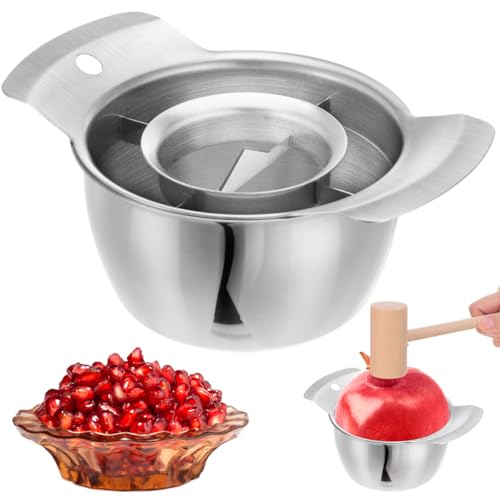
Seed Removal Made Simple: This pomegranate seed remover set includes a peeler, bowl, and hammer to help open pomegranates and collect seeds in one setup, giving you a more organized way to use a pomegranate tool to remove seeds during home kitchen prep
Smelling a Pomegranate for Ripeness
Smelling a pomegranate for ripeness is a great way to determine if it is ready to be eaten. Pomegranates are a tart, sweet, and juicy fruit that can be enjoyed in a variety of ways. It is important to make sure the pomegranate is ripe before eating or using it in any recipe. One of the best ways to tell if a pomegranate is ripe is by smelling it. A ripe pomegranate will have a sweet and fragrant aroma similar to the scent of orange blossoms.
To smell a pomegranate for ripeness, hold the fruit in your hand and take a deep breath near it. You should be able to catch a faint scent of sweetness coming from the fruit. If there is no aroma or only faint hints of sweetness, then the pomegranate may not be ripe yet. You can also press your nose against the skin of the fruit and take another deep breath to see if you can detect any additional aromas coming from inside.
Another way to test for ripeness is by feeling the skin of the pomegranate. It should have some give when pressed gently with your fingers but still feel firm overall. If it feels overly soft or mushy then it may be overripe and should not be eaten. Additionally, you can look at the color of the skin; ripe pomegranates will typically have deeper red skin compared to unripe ones which tend to have more pinkish hues.
Overall, smelling a pomegranate for ripeness is an excellent way to determine if it is ready for consumption or use in recipes. When picking out pomegranates at your local grocery store or farmer’s market, make sure you take some time to smell them first!
Looking for Brown Spots on a Pomegranate
Picking the perfect pomegranate is an art. One needs to look for brown spots on the surface of the fruit as it indicates that it is ripening. In fact, the more brown spots there are, the riper and sweeter it is. The best way to look for these brown spots is to hold the pomegranate in your hands and check its surface. It should be firm but not too hard, and the skin should not be wrinkled. The stem should also be intact as this can help in judging how ripe it is.
Apart from looking for brown spots, one should also smell the pomegranate. There should be a sweet smell coming from it if it is ripe and ready to eat. If there is no smell, then it is not ready to eat yet and must be left to ripen more before consuming it. One can also gently press on its skin with their fingers to check if it gives a bit or not; if so, then the pomegranate has been ripened enough for consumption.
When buying pomegranates from a store, one must check its packaging carefully as well – look for any signs of mold or decay which indicate that the fruit might not be suitable for eating. Moreover, ensure that you buy organic fruits whenever possible as they are healthier than conventional varieties which may contain harmful pesticides or chemical residues.
In conclusion, looking for brown spots on a pomegranate is essential when trying to pick out a ripe fruit. Pay close attention to its color and smell since these will help you determine whether or not it has ripened properly before consuming it. Additionally, always go for organic varieties of fruits when available at local stores or markets as they are free from any harmful chemicals or pesticides which can cause health issues when consumed regularly.
Conclusion
Picking a ripe pomegranate can be a tricky task, as there are no exact measures or signs to tell if the fruit is ripe. However, by considering the color of the skin, feeling for softness and listening for a hollow sound when thumped, you can get an indication of ripeness.
When picking pomegranates, it’s best to go for those that are relatively heavy and have a slightly glossy skin. With practice and experience, you will be able to identify ripe pomegranates with ease.
If you’re still unsure about whether or not your pomegranates are ripe, it’s best to give them a few days to ripen and then try again. This way, you will be able to enjoy the delicious taste of perfectly ripe pomegranates!
