

Have you ever watched in frustration as squirrels raid your fruit trees, leaving you with nothing but bare branches? You’re not alone. Many gardeners face this common challenge, and it can feel like an uphill battle to protect your hard-earned harvest.
Key Takeaways
- Understanding Squirrel Behavior: Squirrels are naturally drawn to fruit trees for food and use them as vantage points, making them a persistent garden nuisance.
- Seasonal Feeding Patterns: Squirrel feeding habits vary with the seasons, so timing your prevention methods before fruit ripens is crucial for effective protection.
- Effective Measures: Implement physical barriers, protect tree trunks, and use netting to create a secure environment for your fruit trees.
- Natural Deterrents: Planting repellent flora like marigolds and lavender, as well as utilizing homemade sprays, can effectively deter squirrels without harming the environment.
- Commercial Solutions: Consider squirrel-proof feeders and humane extermination services to manage persistent squirrel problems and protect your harvest.
- Yard Maintenance: Regularly maintain your yard by removing fallen debris and planting alternative food sources to distract squirrels from your fruit trees.
Understanding Squirrel Behavior
Squirrels are clever creatures that can quickly become a nuisance in your garden. Understanding their behavior helps you develop effective prevention strategies.
Why Squirrels Target Fruit Trees
Squirrels seek fruit trees for easy meals. Trees provide a rich food source, especially during the fruiting season. They enjoy ripe fruits, nuts, and seeds, making your trees an attractive buffet. Squirrels also use trees as vantage points for spotting predators. Their natural instinct to forage drives them to invade your garden.
Seasonal Feeding Patterns
Squirrel feeding habits change with the seasons. In spring, they primarily munch on tender buds and young fruits. As summer arrives, ripe fruits attract them even more. Fall brings a focus on acorns and nuts, causing squirrels to stash food for winter. Understanding these patterns enables you to implement prevention methods timed to these peaks in activity. For instance, securing your trees before the fruit begins to ripen can significantly deter squirrel visits.
Effective Preventative Measures
Implementing effective measures can significantly reduce squirrel activity in your fruit trees. Consider these strategies to safeguard your precious harvests.
Recommended Products
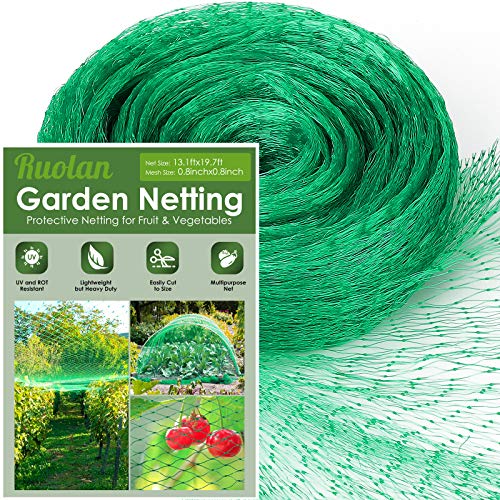
【Perfect size】(Garden Netting size 13ftX20ft, Mesh Size 0.8inchX0.8inch), Protect fruit tree plant blueberry strawberry from animals

Size: Deer netting size 7 feet x 100 feet; garden netting mesh size 3/4"; color: black; Easy to use accessories included: 10pcs installation nails & 50pcs cable ties
Physical Barriers
Installing physical barriers serves as a first line of defense against squirrels. Use materials like chicken wire or hardware cloth to create a protective barrier around the base of your trees. Make sure the barrier reaches a height of at least 3-4 feet, as squirrels are excellent climbers. Ensure the barrier is buried a few inches into the ground to prevent burrowing attempts. Check the barrier regularly for damage and repair it as needed.
Tree Trunk Protection
Protecting tree trunks directly offers an additional deterrent. Wrap your tree trunks with smooth, slippery materials such as metal sheeting or plastic. This surface makes climbing difficult for squirrels. Use materials that won’t harm the bark; proper installation is essential to avoid injury to the tree. Consider applying a repellent product on the trunk as an extra layer of protection, ensuring it’s safe for plants.
Netting Solutions
Using netting provides a versatile option for safeguarding your fruits. Opt for bird netting or garden fabric specifically designed to keep pests away. Drape the netting over the trees during the fruiting season, anchoring it securely with weights or stakes to prevent squirrels from squeezing through. Choose a netting with small enough openings to keep squirrels out while allowing sunlight and rain in. Check the netting frequently to ensure it remains intact and free of holes.
Natural Deterrents
Natural deterrents provide effective ways to keep squirrels away from your fruit trees while minimizing harm to the environment. These methods utilize plants and homemade solutions that squirrels find unappealing.
Recommended Products

Natural Plant-Based Formula: Made with peppermint oil, garlic oil, and corn cobs to create a powerful scent barrier that squirrels naturally avoid — no harsh chemicals.

STOPS DAMAGE FAST – Contains powerful ingredients that prevent squirrels from chewing & gnawing on wires, plants, outdoor furniture, and more

Fast Acting, Easy to Use, and Dries Clear: Keep Squirrels Out of Your Garden! Works as a repellent and training tool for Chipmunks & Squirrels. Squirrel Mace works as a flower bulb protection spray. Powerful, with a high percentage of active Ingredients. Lasting protection, with weather-resistant sticking agents. Keep squirrel & chipmunks from destroying trees, planters and bird feeders/safe to use around children & plants.
Repellent Plants
Certain plants can act as natural repellents against squirrels. Consider planting the following around your fruit trees:
- Marigolds: Their strong scent can deter squirrels from approaching.
- Lavender: The fragrance repels many critters, including squirrels.
- Coleus canina: Often called “scaredy cat plant,” it emits a smell that squirrels dislike.
Plant these in your garden to create a natural barrier. Squirrels are less likely to invade areas with these companion plants nearby.
Homemade Sprays
Creating homemade sprays can effectively deter squirrels from your fruit trees. Here are some recipes you can try:
- Pepper Spray: Mix 1 tablespoon of cayenne pepper with 1 quart of water. Spray this mixture on tree trunks and around the base. The spicy scent will discourage squirrels.
- Garlic Spray: Blend 2 cloves of garlic in 1 quart of water. Let it sit overnight, then strain and spray it on your trees. The odor deters various pests, including squirrels.
- Vinegar Solution: Combine equal parts water and vinegar in a spray bottle. Apply directly to tree bark and nearby soil. The smell can repel squirrels and other animals.
Apply these sprays every few days for best results, especially after rainfall.
Commercial Solutions
Commercial solutions offer additional strategies to keep squirrels at bay and protect your fruit trees effectively.
Recommended Products

【Unique Design】: Squirrel baffle feature a distinctive reverse barb design, with each 2 inches long spike bearing 13 barbs pointing in opposite directions.This structure effectively prevents animal contact and hinders climbing attempts
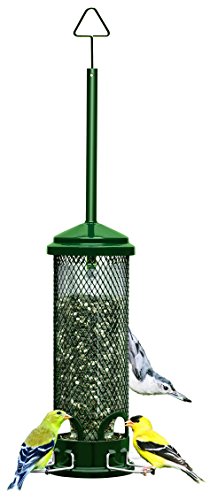
Mini but Mighty at keeping squirrels at bay.

Advanced AI Identify 10000+ Birds,Guiding You into the bird world: Our smart bird feeder with camera features bird AI recognition (Subscription Required; 30-Day Free Trial) that identifies and Popular Science you about over 10,000 bird species.Whether you are a novice or a bird watcher yourself, it can help you better know birds in nature
Squirrel-Proof Feeders
Squirrel-proof feeders prevent squirrels from snatching fruits while attracting birds. Look for feeders specially designed with mechanisms that close off access to squirrels when they attempt to feed. Choose feeders that are sturdy and made from durable materials. Install these feeders away from fruit trees to distract squirrels with alternative food sources. Some effective feeder options include:
- Weighted feeders: Close access when a squirrel’s weight triggers a closing mechanism.
- Caged feeders: Allow smaller birds to feed while keeping squirrels out.
- Baffle and guard systems: Add barriers above or below feeders to block squirrel access.
Regularly refill these feeders with squirrel-resistant birdseed to maintain their interest and protect your fruits.
Professional Extermination Services
Professional extermination services provide targeted solutions for persistent squirrel problems. Trained experts can assess your property and recommend specific traps or deterrents. Look for services that use humane methods to relocate squirrels rather than extermination. Key considerations when choosing a service:
- Licensing and certification: Ensure the service holds necessary licenses for wildlife removal.
- Techniques used: Inquire about humane traps and eviction strategies.
- Follow-up services: Ask about ongoing evaluations to monitor effectiveness.
Investing in professional assistance can give you peace of mind and better protect your fruit trees from squirrels’ interference.
Maintaining a Squirrel-Free Environment
Creating a squirrel-free environment around your fruit trees involves several practical strategies that deter these pests effectively.
Yard Cleanliness
Keeping your yard clean is essential in preventing squirrels from invading your fruit trees. Remove any fallen fruits, nuts, or debris from the ground regularly. Squirrels are opportunistic feeders and will exploit easy food sources. Additionally, clear away any birdseed or pet food that might attract them.
Maintain your garden by pruning overgrown shrubs or trees that provide hiding spots. A well-maintained landscape reduces the cover squirrels need to approach your fruit trees unnoticed. Use garbage cans with tight lids to prevent access to discarded food.
Alternative Food Sources
Providing alternative food sources in a different location can distract squirrels from your fruit trees. Consider installing squirrel-proof feeders filled with seeds or corn away from your garden area. This diverts their interest and keeps them occupied.
Planting a dedicated area with squirrel-friendly plants, like sunflowers or peanuts, creates a separate food source. These will lure squirrels away while allowing your fruit trees to thrive. Ensure the alternative food source is conveniently located but at a distance from your fruit trees to minimize squirrel traffic in your fruit garden.
Conclusion
By understanding squirrel behavior and implementing a mix of strategies you can effectively protect your fruit trees from these pesky critters. Whether you choose physical barriers natural deterrents or commercial solutions each method offers unique benefits.
Keeping your garden clean and providing alternative food sources can also help keep squirrels at bay. With a bit of effort and creativity you can enjoy a bountiful harvest while ensuring your fruit trees remain healthy and thriving. Remember it’s all about finding the right balance that works for you and your garden. Happy gardening!
Frequently Asked Questions
What attracts squirrels to fruit trees?
Squirrels are attracted to fruit trees mainly for their rich food sources. During the fruiting season, ripe fruits and tender buds are particularly appealing, making these trees a prime target for hungry squirrels seeking nutritious snacks.
How can I prevent squirrels from accessing my fruit trees?
To deter squirrels, you can install physical barriers like chicken wire or hardware cloth around the base of the trees. Wrapping tree trunks in smooth materials, such as metal sheeting, can also help prevent climbing and access.
Are there natural deterrents for squirrels?
Yes, natural deterrents include planting repellent plants like marigolds, lavender, or coleus around your fruit trees. Homemade sprays, such as pepper spray or vinegar solutions, can also be effective when applied to tree trunks and surrounding areas.
What commercial solutions can help keep squirrels away?
Commercial solutions include squirrel-proof feeders that attract birds while keeping squirrels away from fruit. These feeders often have mechanisms to close off access when a squirrel tries to feed. Professional extermination services can also provide targeted help.
How can I maintain a squirrel-free environment around my fruit trees?
Regular yard maintenance, such as removing fallen fruits, nuts, and debris, can reduce attractants. Using tight-lidded garbage cans, pruning overgrown shrubs, and offering alternative food sources in squirrel-proof feeders can help keep them away from your fruit trees.
