

Have you ever dreamed of stepping into your garden and picking fresh, juicy raspberries straight from the vine? Picture this: a sunny morning, birds chirping, and the sweet aroma of ripe berries filling the air. But maybe you’ve hesitated because you’re not quite sure how to get started with planting raspberry canes.
Imagine having your own supply of delicious raspberries at your fingertips, knowing exactly where they come from and how they were grown. In this article, we’ll guide you through the simple steps of planting raspberry canes so that you can enjoy a bountiful harvest in your own backyard.
Key Takeaways
- Select raspberry varieties suitable for your climate and soil conditions to ensure successful growth.
- Check the USDA Plant Hardiness Zone Map to choose raspberry canes that align with your region’s hardiness zone.
- Test soil quality, adjust pH levels, and amend the soil with organic matter before planting raspberry canes.
- Plant raspberry canes in early spring or late fall, providing proper drainage and spacing for optimal growth.
- Water raspberry plants deeply a few times a week, mulch around the base, and fertilize in early spring for healthy development.
- Monitor for pests and diseases, implement preventive measures, practice good hygiene, and address common growth issues promptly.
Choosing the Right Raspberry Canes
When it comes to planting raspberry canes, selecting the right varieties and understanding plant hardiness are crucial steps that can impact your harvest. Here’s how you can make informed decisions:
Recommended Products
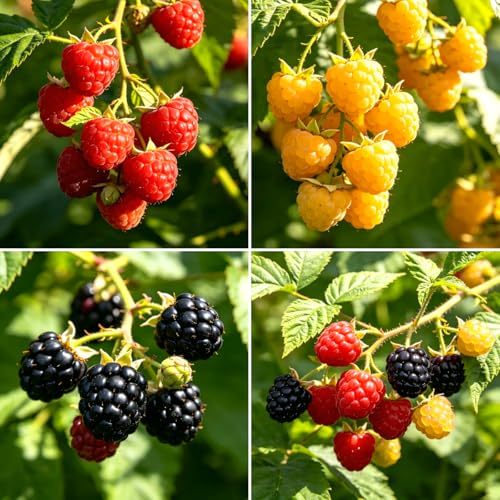
[Sweet Juicy Berries] Produces clusters of sweet, flavorful berries in a range of soft shades. Berries ripen from midsummer through early fall, perfect for fresh eating, jams, and desserts. Each plant yields abundant harvests for years.

🍓 Sweet, Juicy Homegrown Raspberries: Enjoy delicious, sun-ripened berries straight from your garden. Perfect for fresh eating, baking, jams, and freezing.

🍓 Sweet, Juicy Homegrown Raspberries: Enjoy delicious, sun-ripened berries straight from your garden. Perfect for fresh eating, baking, jams, and freezing.
Selecting Varieties
To ensure a successful raspberry growing experience, choose raspberry varieties that thrive in your specific climate and soil conditions. Consider factors such as fruit size, flavor profile, disease resistance, and whether they are suitable for fresh eating or processing into jams and preserves.
For example:
- If you live in a colder climate, opt for cold-hardy varieties like Heritage or Caroline raspberries.
- For those looking for large berries with a sweet flavor, Heritage raspberries are an excellent choice.
- If you prefer tart raspberries ideal for baking or making sauces, consider growing Latham raspberries.
Understanding Plant Hardiness
Raspberry plants have different hardiness zones based on their tolerance to cold temperatures. It’s essential to select raspberry canes that align with your region’s hardiness zone to ensure they survive and produce fruit successfully.
Here’s a practical tip:
- Check the USDA Plant Hardiness Zone Map to determine which raspberry varieties are best suited for your area.
By carefully choosing the right raspberry canes based on variety selection and plant hardiness, you set yourself up for a thriving raspberry garden with abundant harvests of delicious fruits.
Preparing the Soil for Planting
To ensure successful raspberry cultivation, you must prepare the soil adequately. Here’s how you can do it:
Testing Soil Quality
Test your soil before planting raspberries to determine its pH level and nutrient composition. You can use DIY test kits or send samples to a local agricultural extension service for analysis. Raspberry plants thrive in slightly acidic soil with a pH level between 5.5 and 6.5. Adjust the pH if needed by adding lime to raise it or sulfur to lower it.
Amending the Soil
After testing, amend the soil based on the results to create an optimal growing environment for your raspberry canes. Incorporate organic matter like compost or well-rotted manure to improve soil structure and fertility. Ensure proper drainage by adding perlite or sand if your soil is heavy clay. Mix amendments thoroughly into the top layer of soil before planting your raspberry canes.
By following these steps, you’ll set a solid foundation for healthy raspberry plants that will yield abundant and flavorful fruits in your garden.
Planting Raspberry Canes
When planting raspberry canes, timing is crucial for their successful growth. Here’s a guide to help you plant your raspberry canes at the optimal time and with the right steps.
Recommended Products

PREMIUM INGREDIENTS: This specifically crafted organic compost blend has a low pH premium formulation that is naturally lightweight and contains just the right ingredients ensuring healthy growth and beautiful results.

Package contains 6 pounds organic soil acidifier grains and is produced to avoid wasteful runoff, mess, hazards and smells

🍓 Our Raspberry Potting Mix is expertly crafted to provide the perfect growing environment for vibrant and healthy raspberry plants. This premium soil mix ensures your raspberries receive the optimal nutrients, moisture, and aeration needed to thrive, making it ideal for both indoor plants and container gardening.
Optimal Planting Time
Plant your raspberry canes in early spring or late fall when the soil is workable but not too wet. Avoid planting during extreme weather conditions like heatwaves or frost to give your plants the best chance of thriving.
- Prepare the Soil: Start by testing your soil’s quality to ensure it’s suitable for raspberries. Adjust pH levels if needed, aiming for slightly acidic soil around 5.5-6.5 pH.
- Amend the Soil: Improve soil structure and nutrient content by adding organic matter like compost or well-rotted manure.
- Ensure Proper Drainage: Raspberry plants don’t like soggy feet, so make sure the planting site has good drainage to prevent waterlogging.
- Choose Healthy Canes: Select disease-free raspberry canes from reputable nurseries to set a strong foundation for healthy plants.
- Digging Holes: Dig holes deep enough to accommodate the roots without bending or crowding them.
- Planting Depth: Place each cane at its original growing depth, ensuring that the roots are well-covered with soil.
- Spacing: Space out your raspberry canes according to their variety requirements, typically around 2-3 feet apart in rows separated by 8-10 feet.
- Watering: After planting, water thoroughly to help settle the soil around the roots and provide initial hydration for the plants.
Post-Planting Care
After planting your raspberry canes, it’s essential to provide proper care to ensure healthy growth and abundant fruit production. Here are some key steps to follow:
Recommended Products
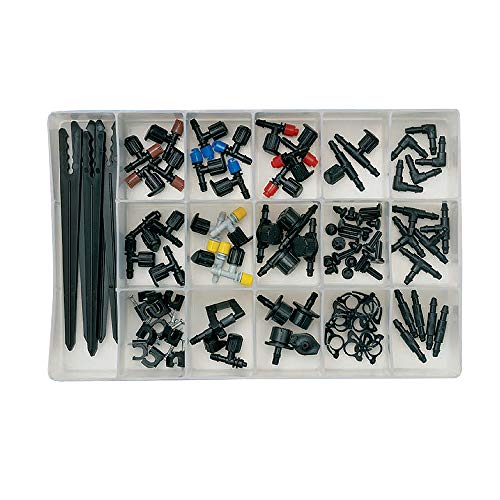
For optimizing plant health by applying water directly at the plant roots

Connects 1/2" Dip tubing to any 3/4" male pipe threaded faucet or garden hose
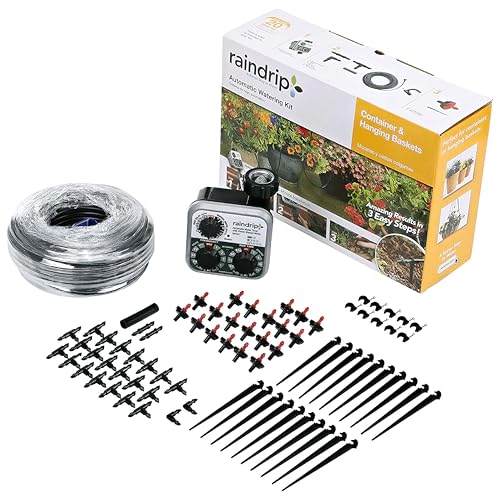
Save Time and Effort: This Raindrip drip irrigation kit includes everything you need to create a drip watering system for potted plants and precisely water up to twenty plants, saving time and effort while keeping your garden healthy
Watering Techniques
Watering is crucial for the initial establishment of raspberry plants. Ensure your canes receive about 1-2 inches of water per week during the growing season. It’s better to water deeply a few times a week rather than shallow watering daily. This encourages deep root growth and helps the plants withstand dry periods.
Mulching and Fertilizing
Mulching helps retain soil moisture, suppresses weeds, and adds organic matter as it breaks down. Apply a 2-4 inch layer of mulch around the base of the raspberry plants, keeping it away from direct contact with the canes. Additionally, fertilize your raspberry bushes in early spring with a balanced fertilizer to promote healthy growth and fruit development.
By following these post-planting care tips for your raspberry canes, you’ll set them up for success and enjoy bountiful harvests in your garden.
Common Challenges and Solutions
When planting raspberry canes, you may encounter various challenges that could affect the growth and health of your plants. Here are some common issues you might face and practical solutions to address them effectively.
Managing Pests and Diseases
Pests and diseases can pose a threat to your raspberry plants, impacting their overall productivity. To combat these issues:
- Identify Early Signs: Regularly inspect your plants for any signs of pests or diseases such as yellowing leaves, holes in foliage, or wilting.
- Implement Preventive Measures: Introduce beneficial insects like ladybugs or lacewings to control pests naturally without harming the environment.
- Practice Good Hygiene: Remove any diseased or infested plant parts promptly to prevent the spread of pathogens.
- Consider Organic Remedies: Use organic sprays like neem oil or insecticidal soap to manage common pests while minimizing chemical exposure.
By staying vigilant and taking proactive steps, you can protect your raspberry canes from potential pest infestations and diseases.
Addressing Common Growth Issues
Sometimes raspberry plants may face growth challenges that hinder their development. Here’s how you can troubleshoot common growth issues:
- Stunted Growth: Ensure proper spacing between plants to allow adequate air circulation and sunlight exposure for optimal growth.
- Yellowing Leaves: Check soil pH levels as nutrient deficiencies can cause leaf discoloration; adjust pH if necessary with suitable amendments.
- Sparse Fruiting: Prune old canes after fruiting season to encourage new growth for the following year’s harvest.
- Weak Stems: Provide support structures such as trellises or stakes to help strengthen stems and prevent breakage under the weight of fruits.
By addressing these common growth issues promptly, you’ll promote healthy development in your raspberry plants, leading to a successful harvest in your garden.
Conclusion
You’ve now learned the essential steps for planting raspberry canes successfully. By selecting the right variety, preparing the soil adequately, and providing proper post-planting care, you’re on your way to a bountiful raspberry harvest. Remember to address common challenges like pests and diseases promptly and nurture your plants with care. With these tips in mind, you’ll soon enjoy delicious homegrown raspberries straight from your garden. Happy planting!
Frequently Asked Questions
What factors should I consider when selecting raspberry canes for planting?
Choose raspberry varieties suited to your plant hardiness zone. Consider factors like fruit flavor, size, and disease resistance.
How do I prepare the soil for planting raspberries?
Test soil quality first. Adjust pH levels if needed. Amend with organic matter for nutrients. Ensure good drainage to prevent waterlogging.
What are some post-planting care tips for raspberry canes?
Water regularly, especially during dry spells. Mulch to retain moisture and suppress weeds. Fertilize annually in early spring for healthy growth.
How can I manage pests and diseases when growing raspberries?
Monitor plants regularly for signs of pests or diseases. Practice good hygiene to prevent issues. Use organic remedies or consult a professional if needed.
What should I do if my raspberry plants show growth problems?
Address issues like stunted growth, yellowing leaves, sparse fruiting promptly. Check for nutrient deficiencies, pests, or diseases as potential causes.
