

Mango trees can grow in New Jersey, but they require careful management due to the state’s climate. With the right techniques and protection, you can successfully cultivate these tropical trees in the Garden State.
Mango Tree Growth Conditions in New Jersey
Mango trees thrive in warm, tropical climates, making their growth in New Jersey a challenge due to the state’s cooler temperatures. Understanding the specific growth conditions required for mango trees can help gardeners determine whether they can successfully cultivate these tropical fruits in the Garden State. This section explores the essential factors influencing mango tree growth in New Jersey.
New Jersey experiences a humid subtropical climate, which presents challenges for growing mango trees. The state has cold winters that can damage tropical plants. However, with the right conditions and care, mango trees can thrive in select areas.
Mango trees prefer warm temperatures and well-drained soil. They can tolerate brief periods of cold but are susceptible to frost. Gardeners must consider the specific microclimates in their region to ensure successful growth.
Recommended Products
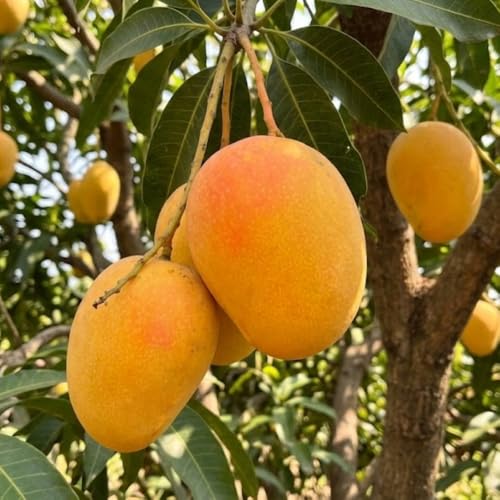
Includes 1 live bright yellow mango plant, approximately 2–2.5 feet tall, ready for outdoor planting

Tropical Fruit Seeds: Grow your own delicious mangoes at home with this set of 3 premium mango tree seeds, perfect for cultivating fresh, sweet tropical fruit right in your garden or indoor space
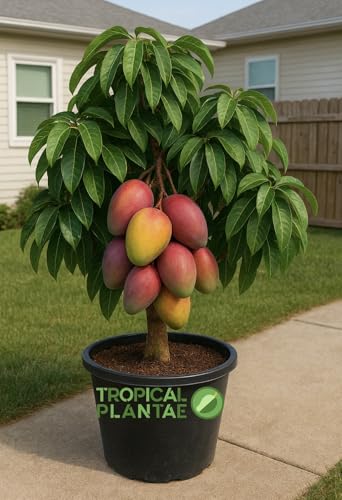
Imagine stepping into your backyard a few months from now and seeing a beautiful grafted Haden mango tree, growing stronger every day — a tree that will soon reward you with one of the most classic, flavorful mangoes ever grown.
Best Mango Varieties for New Jersey Climate
Choosing the right mango varieties is essential for successful cultivation in New Jersey’s unique climate. With its distinct temperature ranges and seasonal changes, certain mango types are better suited to thrive in this environment. This section highlights the best mango varieties that can adapt and flourish in the Garden State.
Selecting the appropriate mango variety is crucial for success in New Jersey. Some varieties are more cold-tolerant than others and can adapt better to the local climate.
Haden: Known for its sweetness and vibrant color, it can withstand mild winters.
Tommy Atkins: A popular choice for its disease resistance and ability to handle cooler temperatures.
Kent: Offers a rich flavor and is slightly more tolerant of cold.
Choosing the right variety can make a significant difference in your success. Research local nurseries for availability and recommendations.
Mango Tree Garden Preparation in New Jersey
Growing mango trees in New Jersey presents unique challenges due to the region’s climate. Proper garden preparation is essential to ensure these tropical plants thrive despite the colder temperatures. This section outlines key steps for creating an optimal environment for mango trees in the Garden State.
Preparation is key to growing mango trees in New Jersey. The right location and soil conditions can set the foundation for healthy growth.
Select a sunny spot: Mango trees require full sun for at least six hours daily.
Improve drainage: Ensure the soil is well-draining to prevent root rot. Consider raised beds if necessary.
Soil testing: Test the soil for pH levels. Mango trees prefer slightly acidic to neutral soil (pH 5.5 to 7.5).
Creating an optimal environment will help your mango trees flourish.
Cold Protection Strategies for Mango Trees
Mango trees thrive in warm climates, making their cultivation in New Jersey a challenge due to the state’s colder temperatures. To successfully grow these tropical plants, gardeners must implement effective cold protection strategies. This section explores various methods to shield mango trees from frost and ensure their health throughout the winter months.
New Jersey winters can be harsh, so protecting mango trees from cold is essential. Implementing specific strategies can help safeguard your plants.
Mulching: Apply a thick layer of mulch around the base to insulate roots.
Frost cloths: Use frost cloths or blankets during cold snaps to cover young trees.
Container planting: Consider planting mango trees in containers for easier relocation during winter months.
Taking these precautions can significantly increase the chances of survival during colder periods.
Mango Tree Watering and Fertilization Guidelines
Mango trees require specific care to thrive, especially in regions like New Jersey where the climate poses unique challenges. Understanding the right watering and fertilization techniques is crucial for successful growth and fruit production. This section provides essential guidelines to help you nurture your mango trees effectively in the Garden State.
Proper watering and fertilization are vital for the health of mango trees. Understanding their needs can enhance growth and fruit production.
Watering schedule: Water deeply but infrequently. Allow the top inch of soil to dry out before watering again.
Fertilizer: Use a balanced fertilizer during the growing season. Look for a formula high in potassium to promote fruit development.
Regular maintenance will support healthy growth and yield.
Mango Tree Care Conditions in New Jersey
Growing mango trees in New Jersey presents unique challenges due to the state’s climate. Understanding the specific care conditions required for these tropical plants is essential for successful cultivation. This section will explore the necessary steps to create an optimal environment for mango trees in the Garden State.
| Aspect | Ideal Conditions | Notes |
|---|---|---|
| Sunlight | Full sun (6+ hours) | Essential for fruit production |
| Soil | Well-drained, pH 5.5-7.5 | Test soil before planting |
| Watering | Deep, infrequent | Avoid waterlogging |
| Frost Protection | Mulch, frost cloths | Critical during winter |
| Fertilization | Balanced, high potassium | Apply during growing season |
Mango Tree Cultivation Strategies for New Jersey
Mango trees are typically associated with tropical climates, but with the right strategies, they can thrive in New Jersey’s unique environment. Understanding local climate conditions and implementing specific cultivation techniques can help gardeners successfully grow these exotic fruits in the Garden State. This section explores effective methods for nurturing mango trees in a less-than-ideal climate.
Growing mango trees in New Jersey requires careful planning and logistics. Understanding the local environment and resources can streamline the process.
Local nurseries: Source mango varieties suited for colder climates.
Community resources: Join local gardening clubs for tips and shared experiences.
Seasonal considerations: Monitor weather patterns to plan planting and protective measures.
Implementing these logistics will enhance your chances of a successful harvest.
Mango trees can indeed thrive in New Jersey with the right care and attention. By choosing the right variety, preparing your garden, and implementing protective measures, you can enjoy the rewards of homegrown mangoes.
