

Have you ever wandered through a park and noticed a tree that stands tall but doesn’t bear any fruit or flowers? It’s a curious sight, isn’t it? While many trees are celebrated for their vibrant blooms and delicious produce, some exist without these features, leaving you to wonder about their purpose and beauty.
Key Takeaways
- Non-fruit and non-flowering trees, including conifers, certain deciduous, and ornamental species, play essential roles in ecosystems despite lacking traditional reproductive features.
- Conifers such as pines and spruces reproduce through cones, offering unique adaptations like needle-like leaves that minimize water loss.
- Deciduous trees, like some maples and oaks, contribute significantly to habitat and shade, even if they don’t bear obvious flowers or fruits.
- Ornamental trees, such as Ginkgo biloba, are chosen for their aesthetic appeal, often bred to reduce or eliminate fruit production.
- Non-fruiting trees improve environmental health by stabilizing soil, enhancing air quality, and providing habitats for various wildlife.
- Incorporating these unique trees into landscapes not only boosts aesthetic diversity but also promotes ecological balance and soil health.
Overview Of Trees Without Fruit And Flower
Trees without fruit and flowers play unique roles in ecosystems. These trees often belong to specific categories, such as conifers or certain ornamental species.
Types of Trees Without Fruit and Flower
- Conifers
Conifers like pines, spruces, and firs don’t produce flowers or fruit. They reproduce through cones, which contain seeds. Their needle-like leaves provide a distinct appearance and contribute to their hardiness in various climates. - Deciduous Trees
Some deciduous trees, such as certain species of maples or oaks, may not produce obvious flowers or fruits. However, they still provide essential benefits, including shade and habitat for wildlife. - Ornamental Trees
Ornamental trees, like the Ginkgo biloba, are often grown for their striking foliage. While some produce small fruits, others are bred specifically to eliminate fruit production, focusing solely on aesthetics.
Characteristics and Uses
- Environmental Benefits
These trees help stabilize soil and improve air quality. They act as windbreaks and provide shelter for various wildlife species. - Aesthetic Appeal
Many trees without fruits or flowers offer impressive bark patterns, unique shapes, or vibrant foliage, making them attractive features in landscapes and gardens.
| Tree Type | Common Species |
|---|---|
| Conifer | Eastern White Pine |
| Deciduous | American beech |
| Ornamental | Ginkgo biloba |
Understanding trees without fruit and flowers enhances your appreciation for their ecological roles and aesthetic contributions. Consider incorporating these unique trees into your landscape for a diverse and beautiful environment.
Characteristics Of Non-Fruiting Trees
Non-fruiting trees exhibit distinctive traits that set them apart from their flowering counterparts. These trees play specific roles in their ecosystems while offering various benefits.
Recommended Products
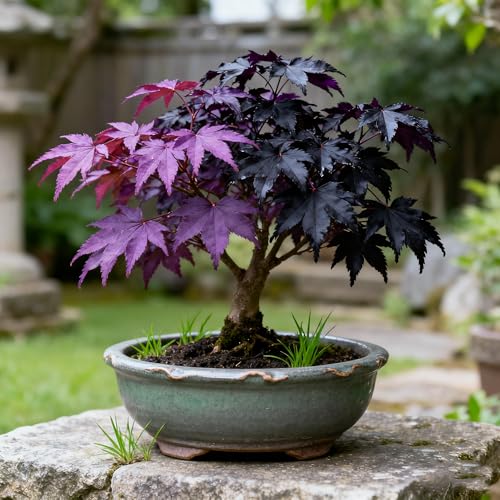
30 Premium Purple Maple Seeds: Grow these stunning ornamental trees with our exclusive collection of 30 purple maple seeds. Create a dramatic focal point in your landscape with these beautiful trees known for their unique purple foliage.

🌿 Germination-tested before packing : Our packet contains 100 premium heirloom seeds of Syringa reticulata, carefully selected for optimal germination. Grown and packed in the USA, these seeds ensure you cultivate a truly authentic, enduring flowering tree for generations to enjoy.

ELEGANT FLOWERING TREE: 20 Seeds of White Flowering Dogwood (Coronus florida) Fast growing, a unique specimen indeed.
Adaptations To Environment
- Cone Production: Many non-fruiting trees, particularly conifers, use cones for reproduction. This method protects seeds from harsh weather.
- Water Absorption: Deep root systems allow these trees to access groundwater, promoting stability and survival in drought conditions.
- Leaf Structures: Needle-like or scale-like leaves reduce water loss, aiding in arid environments. This adaptation provides resilience against environmental stressors.
- Bark Composition: Thick bark serves as protection against pests and diseases. It helps mitigate damage while contributing to the tree’s longevity.
- Pine (Pinus): Known for its needle-like leaves and cones, pine trees thrive in various climates, often dominating landscapes.
- Spruce (Picea): Featuring conical shapes, spruce trees boast sharp, needle-like leaves and produce adaptable cones, excelling in colder regions.
- Ginkgo Biloba: Revered for its fan-shaped leaves, the Ginkgo provides unique aesthetics without producing fruit, making it popular in urban landscapes.
- Naked-Cypress (Taxodium distichum): This deciduous conifer adapts to wet environments and offers shelter to wildlife without flowering.
Non-fruiting trees play vital ecological roles, providing beauty and functionality to your environment.
Unique Trees That Do Not Produce Flowers
Certain trees stand out due to their lack of flowers and fruit. These unique trees add beauty and functionality to landscapes and ecosystems.
Recommended Products

BANYAN FIG TREE: Ficus Benghalensis, also known as East Indian Fig, is a majestic houseplant that develops distinctive aerial roots and can reach 6-10 feet tall when grown indoors.

For sale are 2 Eastern Red Cedar trees that are approximately 10-16" tall and shipped in quart pots

NATIVE SPECIES: Eastern Red Cedar tree seeds perfect for growing hardy evergreen trees that thrive in USDA zones 2-9
The Banyan Tree
The Banyan tree, a member of the fig family, is known for its aerial roots that grow down from branches to the ground. These roots establish additional trunks, allowing the tree to spread widely. The Banyan tree doesn’t produce flowers in a typical manner; instead, it relies on the small fig-like fruits it produces, which often go unnoticed. This tree is significant in many cultures and provides shade, habitat for wildlife, and even medicinal properties. Large specimens of Banyan trees create canopies that offer refuge from the sun, making them valuable in urban areas.
The Cedar Tree
Cedar trees, particularly those from the genus Cedrus, are recognized for their aromatic wood and impressive height. Cedars primarily reproduce through cones, which contain the seeds. These trees do not produce flowers, yet they play vital roles in their ecosystems. Cedar wood is durable and resistant to rot, making it ideal for construction and furniture. Besides their practical uses, cedar trees provide habitat for various bird species and help improve air quality. Their majestic presence adds aesthetic value, making them popular choices for landscaping.
Ecological Impact Of Non-Fruiting Trees
Non-fruiting trees hold distinct ecological value that enriches their environments. Understanding their roles enhances appreciation for these unique species.
Role In Biodiversity
Non-fruiting trees support biodiversity by providing habitats for numerous organisms. Coniferous trees, like pines, create environments for birds, insects, and small mammals. The dense foliage offers shelter, while the trees’ sturdy structures serve as nesting sites. Ornamental trees such as the Ginkgo biloba attract various wildlife, including birds and insects, despite lacking flowers and fruit.
Additionally, non-flowering trees contribute to genetic diversity. By coexisting with other plant species, they promote resilience within ecosystems. Their adaptations allow them to survive in challenging conditions, thus becoming vital parts of their habitats. This interconnectedness fosters a healthy and thriving ecosystem.
Benefits To Soil Health
Non-fruiting trees positively influence soil health through root systems and organic matter. Deep root systems stabilize soil, preventing erosion and promoting moisture retention. For example, cedar trees, known for their extensive roots, help enhance soil structure and reduce water runoff.
These trees also contribute organic matter through fallen leaves and needles, which decompose over time. This process enriches the soil with nutrients, enhancing fertility. As a result, surrounding plants thrive, promoting a balanced ecosystem.
Incorporating non-fruiting trees into your landscape can lead to healthier soil, benefiting both your garden and local wildlife. Their roles extend beyond aesthetics, showcasing their importance in sustaining ecological balance.
Conclusion
Next time you come across a tall tree that doesn’t bear fruit or flowers take a moment to appreciate its unique beauty and importance. These trees play crucial roles in our ecosystems providing shade stabilizing soil and supporting wildlife.
Whether it’s a sturdy conifer or an ornamental species their contributions often go unnoticed but are invaluable. Embracing non-fruiting trees in your landscape can create a diverse and vibrant environment. So don’t overlook these remarkable trees; they’re more than just a pretty sight.
Frequently Asked Questions
Why are some trees tall but do not produce fruit or flowers?
Many tall trees are non-fruiting or non-flowering because they have evolved to fulfill specific ecological roles. They often reproduce differently, such as through cones in conifers, and focus on providing benefits like shade, habitat, and aesthetic appeal without prioritizing fruit or flower production.
What types of trees are considered non-fruiting or non-flowering?
Non-fruiting trees include conifers like pines and spruces, certain deciduous trees such as maples and oaks, and ornamental species like Ginkgo biloba. These trees may not have obvious flowers or fruits but play essential roles in ecosystems.
What ecological benefits do non-fruiting trees provide?
Non-fruiting trees offer several ecological benefits, including soil stabilization, improved air quality, habitat for wildlife, and contributions to biodiversity. Their deep root systems help retain moisture and promote soil health through organic matter.
How do non-flowering trees adapt to their environment?
Non-flowering trees have adaptations that help them thrive in various conditions. For example, conifers produce cones to protect seeds, while many have deep root systems and specialized leaves to endure drought. These features enhance their resilience and survival.
Can you give examples of unique non-fruiting trees?
Yes! The Banyan tree is notable for its aerial roots and cultural significance, providing shade and habitat. The Cedar tree is recognized for its aromatic wood and height, reproducing through cones and supporting various ecosystems.
What role do non-fruiting trees play in supporting biodiversity?
Non-fruiting trees support biodiversity by offering shelter and habitat for a variety of organisms, such as birds and insects. They also contribute to genetic diversity within ecosystems and offer essential resources for numerous species.
How can I incorporate non-fruiting trees into my landscape?
To incorporate non-fruiting trees into your landscape, consider selecting species that fit your region and climate. Choose trees for their aesthetic qualities, shade, and ecological benefits to create a diverse, beautiful environment while supporting local wildlife.
