
Close Menu
    Fruit Tree Hub
    • Home
    • Apple Trees
    • Lemon Trees
    • Mango Trees
    • Orange Trees
    • More Trees
      • Best Fruit Trees
      • Apricot Trees
      • Cherry Trees
      • Fig Trees
      • Lime Trees
      • Mulberry Trees
      • Peach Trees
      • Pear Trees
      • Plum Trees
      • Pomegranate Trees
    • Tips and Advice
      • Tools
    • About Us
      • Contact
      • Privacy Policy
    Fruit Tree Hub
    Home»Tools»How to Repair a Tree Pruner: Troubleshooting Tips & Component Replacement Guide
    Tools

    How to Repair a Tree Pruner: Troubleshooting Tips & Component Replacement Guide

    Lucy SmithBy Lucy SmithApril 10, 20245 Mins Read
    Share Facebook Twitter Pinterest WhatsApp Email
    Share
    Facebook Twitter LinkedIn Pinterest Telegram Email

    Ever found yourself struggling to trim those high branches with a faulty tree pruner? What if you could easily fix it yourself and get back to your gardening tasks in no time? Picture this: you’re in the middle of pruning your favorite tree, and suddenly, the pruner stops working. Frustrating, right? But fret not, as we’ve got you covered! In this article, we’ll walk you through simple steps to repair your tree pruner like a pro.

    Contents show
    1 Assessing the Issue
    2 Gathering the Necessary Tools
    3 Disassembling the Pruner
    4 Practical Tip: Taking notes or labeling parts can help simplify the reassembly process later on.
    5 Identifying the Faulty Components
    6 Replacing and Testing the Parts
    7 Conclusion
    8 Frequently Asked Questions
    8.1 How can I identify faulty components in my tree pruner?
    8.2 Why is it important to replace faulty components when repairing a tree pruner?
    8.3 What should I do if the cutting mechanism of my tree pruner is not functioning properly?

    Assessing the Issue

    When your tree pruner suddenly stops working, it can be frustrating. Before attempting to fix it, it’s essential to assess the issue accurately. Here’s what you need to do:

    • Inspect the Blade: Check if the blade is sharp and not damaged.
    • Power Source: Ensure the pruner is connected to a power source if it’s an electric one.
    • Battery Level: If it’s a battery-operated pruner, verify the battery level.

    If everything seems fine with the blade, power source, and battery, the issue might be more complex. Proceed to the next steps to diagnose and fix it.

    Gathering the Necessary Tools

    When fixing a tree pruner, having the right tools ready is essential. Here’s what you’ll need:

    • Wrench or screwdriver: For loosening and tightening parts.
    • Sharpening tool: To ensure the blade is sharp for clean cuts.
    • Cleaning cloth: For wiping down and maintaining the pruner.
    • Replacement parts: Have spares handy for quick fixes.
    MUST READ
    Choosing the Best Felco Pruner: A Complete Guide for Your Pruning Needs

    Next, let’s move on to identifying and addressing the issue at hand.

    Disassembling the Pruner

    When disassembling your tree pruner, start by ensuring you have a clean, well-lit workspace.

    Here are steps to guide you through the process:

    • Step 1: Disconnect the pruner from any power source if it’s motorized.
    • Step 2: Inspect the pruner for any visible damage or loose parts.
    • Step 3: Refer to the manufacturer’s manual for specific disassembly instructions.
    • Step 4: Use the appropriate tools, such as a screwdriver or wrench, to carefully remove any screws or bolts.
    • Step 5: Keep track of the parts you remove and consider taking photos for reference during reassembly.

    Remember to work slowly and carefully to avoid damaging any components.

    Practical Tip: Taking notes or labeling parts can help simplify the reassembly process later on.

    Key Points
    A clean workspace is essential for disassembling.
    Always refer to the manufacturer’s manual for guidance.
    Keeping track of parts and taking photos can aid in reassembly.

    Identifying the Faulty Components

    When fixing a tree pruner, identifying the faulty components is essential to address the root of the problem efficiently. Here are a few steps to assist you in this process:

    • Inspect the cutting blade: Check for any dullness, chipping, or bending that may affect the pruner’s cutting ability.
    • Examine the pruning head: Look for wear and tear, rust, or any signs of damage that could hinder the pruner’s performance.
    • Check the pole and handle: Ensure the pole is intact and not cracked, and that the handle is securely attached for safe operation.
    • Inspect the cutting mechanism: Test the trigger or button to verify if it’s functioning correctly and engaging the cutting action smoothly.
    MUST READ
    Top Garden Pruners Guide: Maintenance Tips for Longevity & Performance

    By pinpointing the issues with these components, you can effectively troubleshoot and fix your tree pruner with confidence.

    Recommended Products

    PR-20 Tree Pruner Rope Replacement Kit (20ft) Compatible with Jameson Fiscar Big Mouth Manual Pole Saw & Tree Pruner - Wooden Handle, Diameter Rope - Tree Trimmers Long Handle Pruner
    PR-20 Tree Pruner Rope Replacement Kit (20ft) Compatible with Jameson Fiscar Big Mouth Manual Pole Saw & Tree Pruner - Wooden Handle, Diameter Rope - Tree Trimmers Long Handle Pruner

    High-quality PR-20 Tree Pruner rope: Measuring 20 feet long, this product is a sturdy tree pruner rope that is compatible with Jameson Fiskars pruners.
    VIEW LATEST PRICE

    As an affiliate, we earn on qualifying purchases.

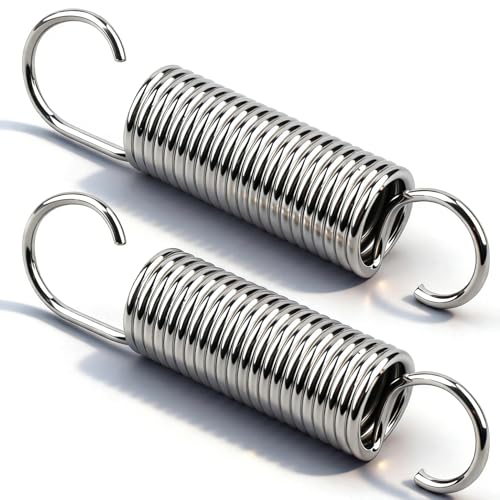
    6801-5 Clipper Compound Tree Pruner Spring,2 Pack
    6801-5 Clipper Compound Tree Pruner Spring,2 Pack

    Product Information: 6801-5 spring, designed fits for Corona tree pruners 2-piece set—consistent performance as the original component

    VIEW LATEST PRICE

    As an affiliate, we earn on qualifying purchases.

    Corona Clipper Compound Tree Pruner Spring 6801-5
    Corona Clipper Compound Tree Pruner Spring 6801-5

    Genuine Corona replacement part for tree pruners TP 6830, TP 6850, TP 6870, TP 5850, and AC 90000

    VIEW LATEST PRICE

    As an affiliate, we earn on qualifying purchases.

    Replacing and Testing the Parts

    When fixing a tree pruner, sometimes replacing certain parts is necessary. Here are some steps you can take to identify and address faulty components:

    • Inspect the Cutting Blade:

    • Look for dullness or damage on the blade.
    • If necessary, replace with a sharp and undamaged blade.
    • Examine the Pruning Head:

    • Check for wear and tear on the pruning head.
    • If damaged, consider replacing the head to ensure smooth operation.
    • Check the Pole and Handle:

    • Ensure the integrity of the pole and handle.
    • Any signs of cracks or weakness may warrant a replacement.
    • Operate the cutting mechanism to test its functionality.
    • If it’s not working properly, consider replacing or repairing the mechanism for optimal performance.
    MUST READ
    What Does a Bypass Pruner Do? Maintenance Tips for Optimal Performance

    By proactively replacing and testing these parts, you can ensure that your tree pruner functions efficiently and effectively.

    Conclusion

    That’s it! By replacing faulty components and ensuring all parts are in good condition, your tree pruner will be ready to tackle any pruning job with ease. Remember to regularly inspect and maintain your pruner to keep it working smoothly. Happy pruning!

    Frequently Asked Questions

    How can I identify faulty components in my tree pruner?

    Inspect the cutting blade for dullness or damage, check the pruning head for wear and tear, and examine the pole and handle for integrity.

    Why is it important to replace faulty components when repairing a tree pruner?

    Replacing faulty components ensures the tree pruner operates efficiently and effectively, improving its performance and longevity.

    What should I do if the cutting mechanism of my tree pruner is not functioning properly?

    Test the cutting mechanism’s functionality and replace any parts that are not working correctly to maintain the tool’s optimal performance.

    Share. Facebook Twitter Pinterest LinkedIn Tumblr Email
    lucy smith
    Lucy Smith
    • Website

    Lucy Smith is a highly experienced horticulturist with a passion for fruit tree cultivation. She holds a degree in Horticulture from the University of California, Davis, and has worked in various roles in the industry. With over 10 years of experience, Lucy is dedicated to using eco-friendly methods for sustainable gardening practices.

    Related Posts

    5 Best Cordless Pruners of 2024 – Effortless Gardening Tools Reviewed

    September 26, 2024

    The 5 Best Loppers of 2024: Pruning Made Easy and Efficient

    September 26, 2024

    The 5 Best Pruning Saws of 2024 – Cut Through Your Gardening Tasks With Ease

    September 26, 2024

    The 5 Best Pruning Shears of 2024 – Your Essential Gardening Tools

    September 26, 2024

    5 Best Heavy Duty Pruning Shears for Effortless Gardening in 2024

    September 26, 2024

    The 4 Best Pruning Blades for Reciprocating Saws: Ultimate Guide for Gardeners

    September 26, 2024
    Leave A Reply Cancel Reply

    Affiliate Disclosure

    As an Amazon Associate I earn from qualifying purchases.

    Recommended Reading

    Peach Trees in Austin, TX (Central Texas Planting Success)

    Best Fruit Trees for Denver Colorado: Create a Bountiful Garden Oasis

    When and How to Plant Raspberries: Tips for Successful Growth and Abundant Harvests

    What is the Best Spray to Use on Fruit Trees for Healthy Growth and Pest Control

    Can You Grow Fruit Trees in Clay Soil? Tips for Success and Thriving Harvests

    Should You Prune Fruit Trees for Healthier Growth and Better Harvests?

    Do You Need 2 Fig Trees to Get Fruit: Essential Tips for a Bountiful Harvest

    Growing Cherry Trees in Jacksonville, FL: Subtropical Solutions

    Lemon Trees in West Virginia: Appalachian Success Manual

    Pear Trees in a Pot in Columbus, OH: Ohio Valley Potting Tips

    Fruit Tree Hub

    Fruit Tree Hub is a website dedicated to providing you everything you need to grow fruit trees successfully at in your own yard.

    Contact us at: [email protected]

    - AFFILIATE DISCLOSURE: As an Amazon Associate I earn from qualifying purchases.

    Latest Posts

    21 Colorful Halloween Crochet Motifs Featuring Pumpkins Bats and Black Cats

    23 Smart Halloween Crochet Ideas to Sell as Keychains and Coasters

    22 Fun Halloween Crochet Ideas Built Around Treat Bags and Hats

    23 Adorable Halloween Amigurumi Ideas Featuring Ghosts and Black Cats

    22 Compact Halloween Crochet Decorations for Shelves and Small Spaces

    19 Practical Halloween Crochet Decorations Designed for Tabletop Displays

    24 Cozy Halloween Crochet Decor Ideas Built Around Mantel Garlands

    19 Playful Kawaii Halloween Crochet Ideas Featuring Smiling Spooky Characters

    Categories
    • Almond Trees
    • Apple Trees
    • Apricot Trees
    • Best Fruit Trees
    • Blackberry
    • Cantaloupe
    • Cherry Trees
    • Crochet Ideas
    • Crochet Ideas for Beginners
    • Cucamelon
    • Easy Crochet Ideas
    • Easy Knitting Projects
    • Fall Crochet Ideas
    • Fig Trees
    • Grapefruit Trees
    • Grapes
    • Guava Trees
    • Halloween Crochet Ideas
    • Honeydew
    • Jujube Trees
    • Kiwi
    • Knitting For Beginners
    • Knitting Ideas
    • Knitting Inspiration
    • Lemon Trees
    • Lime Trees
    • Loquat Trees
    • Mango Trees
    • Mulberry Trees
    • Nectarine Trees
    • Olive Trees
    • Orange Trees
    • Papaya Trees
    • Peach Trees
    • Pear Trees
    • Persimmon Trees
    • Planting
    • Plum Trees
    • Pomegranate Trees
    • Quince Trees
    • Raspberry
    • Reviews
    • Small Crochet Ideas
    • Star Fruit Trees
    • Summer Crochet Ideas
    • Tamarind Trees
    • Tangerine Trees
    • Tips and Advice
    • Tools
    • Uncategorized
    • Walnut Trees
    © 2026 Fruit Tree Hub
    • Home
    • About Us
    • Contact
    • Privacy Policy
    • Terms and Conditions
    • Disclaimer
    • Editorial Policy
    • Affiliate Disclosure

    Type above and press Enter to search. Press Esc to cancel.