

Have you ever watched helplessly as birds and insects feast on your precious fruit trees? It’s frustrating when all your hard work seems to vanish in a blink. You’re not alone—many gardeners face this challenge every season.
Key Takeaways
- Understand Threats: Recognizing the specific threats posed by birds and insects is crucial for effective protection of fruit trees.
- Bird Deterrence: Utilize bird netting and shiny objects like aluminum foil to create barriers against birds that feed on ripe fruits.
- Insect Management: Regular inspections and the use of natural treatments, such as insecticidal soap and neem oil, are vital for controlling insect infestations.
- Employ Physical Barriers: Implement row covers and scare tactics to protect young trees from aerial and ground pests.
- Embrace Natural Solutions: Use essential oils, homemade sprays, and companion planting to naturally repel harmful insects and attract beneficial ones.
- Establish Maintenance Practices: Regular monitoring, pruning, and proper fertilization contribute to the overall health and yield of fruit trees.
Understanding The Threats To Fruit Trees
Protecting your fruit trees begins with recognizing the threats posed by birds and insects. Each group harms your trees in distinct ways, making it essential to understand their impact.
The Impact Of Birds On Fruit Trees
Birds can be a significant problem for fruit trees, especially during the ripening season. They feast on ripe fruits, leaving you with little to harvest. Common culprits include robins, finches, and starlings, which can strip trees bare in a matter of days.
Using bird netting can effectively deter these pests. By covering your trees, you create a barrier that prevents access to fruits while allowing sunlight and rain to reach the trees. Alternatively, hanging shiny objects, like old CDs or aluminum foil strips, may scare birds away.
The Impact Of Insects On Fruit Trees
Insects pose another substantial threat to fruit trees, often causing damage that can lead to diseases and reduced yields. Common pests include aphids, caterpillars, and spider mites. These insects sap nutrients from leaves and fruits, weakening your trees and making them vulnerable to further attacks.
Regularly inspecting your trees for signs of insect damage, such as discolored leaves or small holes, helps you catch infestations early. You can use insecticidal soap or neem oil as a natural treatment to combat these pests. Additionally, encouraging natural predators like ladybugs can help keep insect populations in check.
Effective Strategies For Protecting Fruit Trees
Protecting your fruit trees from birds and insects involves various strategies that can effectively minimize damage. Understanding and implementing these methods can help you maintain healthy trees and reap bountiful harvests.
Recommended Products

HDPE Material for Outdoor Garden Use: Made from high-density polyethylene (HDPE), RIFNY garden bird netting is designed for outdoor plant protection and repeated seasonal use. The flexible mesh is suitable for backyard gardeners, vegetable gardens, raised beds, fruit trees, blueberry bushes, flower gardens, and orchards. The black netting provides a practical barrier for protecting plants while maintaining airflow and sunlight

【Garden Netting Kit】7.5ft x 100ft bird netting, 3/4" fine square netting mesh to keep any small birds out. Accessories included: 10 pcs metal U shaped staples, 50 pcs zip ties

Comprehensive Protection:The garden netting protect fruit trees, blueberry bushes, strawberries plants, flowers and vegetables against birds, rabbits, squirrels, and other types of poultry
Physical Barriers
Using physical barriers is one of the most effective methods to shield your fruit trees.
- Bird Netting: Cover trees with bird netting to create a physical barrier that prevents birds from accessing the fruit. Secure the edges to the ground to avoid gaps.
- Row Covers: Utilize lightweight row covers to protect young trees from both birds and insects. These covers allow sunlight and moisture to penetrate while keeping pests out.
- Scare Tactics: Hang shiny objects, such as aluminum foil strips or reflective tape, around your trees. The movement and light reflection disrupt birds and deter them from approaching your trees.
Natural Repellents
Natural repellents can offer a chemical-free way to protect your trees while being environmentally friendly.
- Essential Oils: Use essential oils like peppermint or citronella as repellents. Mix a few drops with water and spray directly onto leaves. The strong scent can deter insects.
- Homemade Sprays: Create homemade insect sprays using garlic or hot pepper. Combine chopped garlic or hot peppers with water, let it steep overnight, and strain before spraying on affected areas.
- Companion Planting: Plant companion plants, such as marigolds and basil, near your fruit trees. These plants naturally repel pests while attracting beneficial insects that prey on harmful ones.
Chemical Solutions
When other methods don’t suffice, chemical solutions can provide effective protection.
- Insecticidal Soap: Apply insecticidal soap during the early morning or late evening to target soft-bodied insects like aphids. Follow the product instructions for dilution rates and application frequency.
- Neem Oil: Neem oil acts as both a repellent and treatment for various pests. Mix it with water according to label instructions, and spray it on infested trees. Reapply every 7-14 days for best results.
- Fungicides: Consider using fungicides if diseases impact your trees. Apply at the first sign of infection. Follow the product’s guidelines carefully for application rates and timing.
These strategies help protect your fruit trees while promoting a healthy garden ecosystem.
Best Practices For Maintaining Healthy Fruit Trees
Maintaining healthy fruit trees requires regular attention and proactive measures. Following these best practices helps protect your trees while promoting growth and fruit production.
Recommended Products
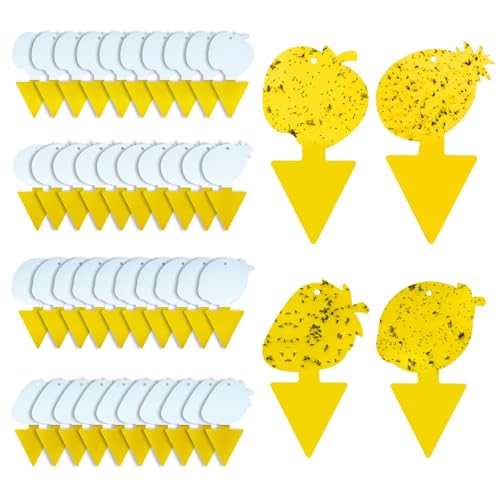
Powerful Insect Control: Captures fruit flies, gnats, whiteflies, aphids, midges, and other small flying pests using bright yellow color and extra-sticky glue
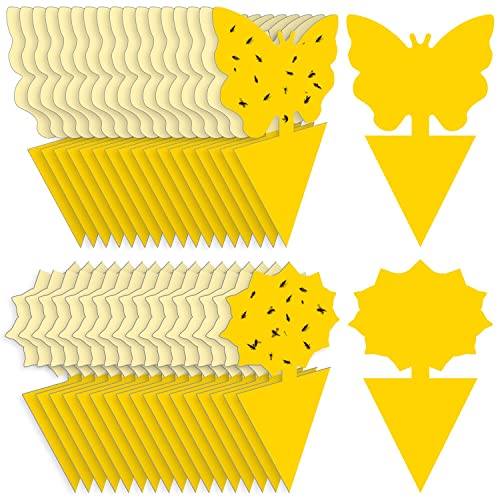
Yellow Sticky Traps -- Bright yellow color attract flying insects, and high quality glue keeps them from escaping. Specially designed for flying plant pests. Great for outdoor or indoor plant, especially potted plants.

20pcs of yellow sticky traps specially designed to catch flying plant insects effectively. Ideal for outdoor plants and houseplants.
Regular Monitoring Techniques
Inspect your trees weekly for signs of pests or diseases. Look for discolored leaves, irregular growth, or missing fruits. Identify specific pests, such as aphids or caterpillars, early to manage any issues promptly. Use sticky traps to catch flying insects, and place them near your trees. Document your findings to recognize patterns over time. Engage neighbors in a monitoring group to share notes on local pest activity.
Pruning And Maintenance Tips
Prune your fruit trees annually to promote airflow and sunlight penetration. Remove any dead or damaged branches, and thin out crowded areas. Clear away fallen fruits and debris from around the trees to reduce pest habitats. Fertilize your trees in early spring using a balanced organic fertilizer, which supports healthy growth. Water adequately, ensuring the soil remains moist but not soggy, especially during dry spells. Use mulch to retain moisture and suppress weeds, giving your trees the best chance for robust growth.
Conclusion
Protecting your fruit trees from birds and insects doesn’t have to feel overwhelming. With a mix of strategies like using physical barriers and natural repellents you can create a healthier environment for your trees. Regular inspections and proactive care will help you catch any issues early on.
Remember to keep your trees well-fed and pruned to support their growth. By taking these steps you’ll not only safeguard your harvest but also enjoy the process of nurturing your garden. Here’s to fruitful seasons ahead and the joy of watching your trees thrive!
Frequently Asked Questions
What can I do to protect my fruit trees from birds?
To protect your fruit trees from birds, consider using bird netting to create a physical barrier. Additionally, hang shiny objects, like aluminum foil strips or old CDs, to scare them away. Regularly checking for birds and using these deterrents can help preserve your fruit.
How do insects affect fruit trees?
Insects such as aphids, caterpillars, and spider mites can damage fruit trees by feeding on leaves and fruits. This damage may lead to diseases and reduced yields. Regular inspections for visible signs of insect activity are essential to managing these threats.
What natural treatments can I use for insect infestations?
For managing insect infestations naturally, you can use insecticidal soap or neem oil. These treatments are effective against many common pests. Additionally, encouraging beneficial insects, like ladybugs, can help control pest populations in your garden.
How often should I inspect my fruit trees?
Inspect your fruit trees at least once a week to check for signs of pests or diseases. Regular monitoring helps you catch issues early and allows you to take timely action to protect your trees and ensure a bountiful harvest.
What are some best practices for maintaining healthy fruit trees?
Maintain healthy fruit trees by pruning for airflow, using proper watering and fertilization techniques, and clearing debris to reduce pest habitats. Applying mulch helps retain moisture and provides a healthier environment, supporting robust growth and better yields.
