

Have you ever wondered why your lime tree isn’t producing fruit? You’re not alone. Many gardeners face this frustrating issue, but the good news is you can change that. With the right care and attention, your lime tree can thrive and reward you with delicious fruit.
Key Takeaways
- Understand Lime Tree Varieties: Familiarize yourself with popular lime tree types such as Persian, Key, Kaffir, and Finger Lime, as each variety has unique characteristics and culinary uses.
- Provide Optimal Growing Conditions: Ensure your lime tree receives at least 8-10 hours of sunlight, is planted in well-draining soil, and is watered deeply but infrequently to promote healthy growth.
- Implement Proper Care Techniques: Regularly water, monitor soil pH (aiming for 6.0 to 7.0), and apply balanced fertilizer to provide essential nutrients for fruit production.
- Master Pruning and Pollination: Prune in late winter for better airflow and light penetration, and attract pollinators or use hand pollination techniques to enhance fruiting success.
- Monitor for Pests and Diseases: Regularly inspect for common pests like aphids and spider mites, and manage them using safe treatment options such as insecticidal soap and neem oil.
- Maintain Consistent Care: Continual attention to watering, fertilization, and cultural practices will help ensure your lime tree remains healthy and productive.
Understanding Lime Trees
Understanding lime trees helps you provide the right care that encourages fruiting. Lime trees are small, flowering trees that thrive in warm climates.
Common Varieties of Lime Trees
You can find several popular varieties of lime trees, including:
- Persian Lime: This variety is seedless and has a smooth, green skin. It’s widely used in cooking and cocktails.
- Key Lime: Smaller and rounder than Persian limes, Key limes have a yellowish tint and a unique tart flavor. They’re essential in pies.
- Kaffir Lime: Recognized for its distinct bumpy skin and aromatic leaves, Kaffir lime is mainly used in Southeast Asian cuisine.
- Finger Lime: This unique variety resembles a finger and contains caviar-like pearls of juice. It’s often used as a garnish in upscale dishes.
Each type has its own characteristics, suitable for various culinary uses.
Optimal Growing Conditions
Lime trees thrive under specific conditions. To optimize growth, ensure the following:
- Sunlight: Provide at least 8 to 10 hours of full sun daily. A sunny spot promotes healthy growth.
- Soil: Plant in well-draining, sandy loam soil. Incorporating organic matter can enhance nutrient content.
- Watering: Water deeply but infrequently. Allow the soil to dry out between waterings to prevent root rot.
- Fertilization: Use a balanced fertilizer designed for citrus trees. Apply during the growing season, following label instructions.
Creating these optimal conditions increases your lime tree’s chances of producing fruit.
Essential Care for Lime Trees
Proper care ensures your lime trees thrive and bear fruit. Focusing on watering and soil is crucial for their growth.
Watering Requirements
Water your lime trees regularly, ensuring the soil remains consistently moist but not soggy. Use a drip irrigation system or a soaker hose for efficiency. During hot weather, aim for at least 1 to 2 inches of water weekly. Check the top inch of soil; if it feels dry, it’s time to water. Overwatering leads to root rot, so adjust your schedule based on rainfall and temperature.
Soil Nutrients and pH Level
Lime trees prefer well-draining soil rich in organic matter. Use a potting mix or amend your garden soil with compost. Aim for a soil pH between 6.0 and 7.0; you can test it using a simple pH kit. If the pH is too low, add lime to raise it; for high pH levels, consider sulfur. Regularly fertilize with a balanced fertilizer, following package instructions for frequency. Look for fertilizers high in nitrogen for lush foliage and balanced ratios to support flowering.
Techniques to Encourage Fruiting
Encouraging your lime tree to bear fruit involves implementing specific techniques focused on care and maintenance. Proper attention to pruning and pollination can significantly influence your tree’s productivity.
Proper Pruning Methods
Pruning your lime tree fosters healthy growth and enhances fruiting. Follow these techniques for effective pruning:
- Timing: Prune in late winter or early spring before new growth starts.
- Remove Dead Branches: Cut off any dead, diseased, or damaged branches to promote airflow and light penetration.
- Thin Out Growth: Thin crowded branches to allow sunlight to reach the center of the tree.
- Shape the Tree: Maintain an open, vase-like shape to enhance air circulation and light exposure.
- Limit Size: Keep the tree at a manageable height for easier care and harvesting.
Through careful pruning, you create an environment conducive to flowering and, ultimately, fruit production.
Pollination Tips
Pollination plays a critical role in the fruiting process. Lime trees are self-pollinating, but you can boost their chances of successful pollination through these methods:
- Attract Pollinators: Plant flowering herbs and flowers nearby to attract bees and other beneficial insects.
- Hand Pollination: Use a small paintbrush or cotton swab to transfer pollen from one flower to another, especially in areas with few pollinators.
- Monitor Weather Conditions: Ensure temperatures remain between 70°F and 85°F during flowering for optimal pollinator activity.
- Provide Water: Keep the soil consistently moist to support plant health, especially during flowering and fruit set.
With these pollination tips, you help ensure each bloom has the best chance of developing into fruit.
Dealing with Common Pests and Diseases
Pests and diseases can affect lime trees, impacting their health and ability to bear fruit. Regular observation helps you address these issues promptly.
Recommended Products
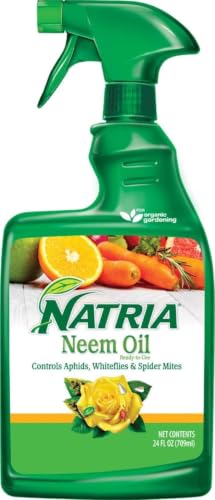
PLANT DISEASE CONTROL: Natria Neem Oil acts as an insecticide and fungicide in one convenient spray; Ready-to-use trigger sprayer requires no mixing
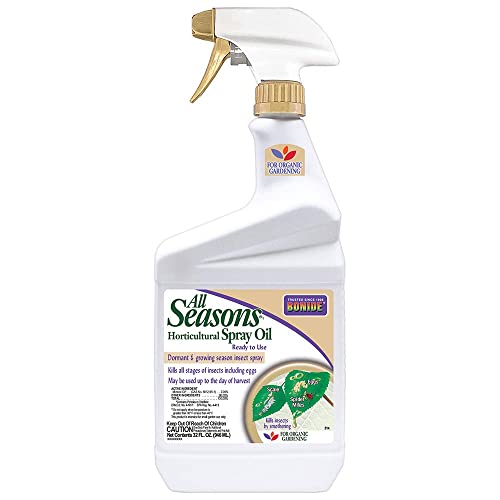
Control insects and diseases in your home garden with All Seasons Horticultural and Dormant Spray Oil Concentrate; use year-round to control listed insects and diseases

Identifying Pests
You can identify common pests by examining leaves, stems, and fruit for signs of damage.
- Aphids: Tiny, soft-bodied insects that cluster on new growth or the underside of leaves. Look for discoloration and sticky residue.
- Spider Mites: Small, spider-like creatures that cause webbing and yellowing of leaves. Check for fine webbing on stems and leaves.
- Scale Insects: These appear as small, raised bumps on branches and leaves. Look for leaf yellowing and a black sooty mold.
- Whiteflies: Small, white flying insects that also congregate on leaves. Inspect for yellowing leaves and a sticky substance.
Effective Treatment Options
Several effective treatment options exist for managing pests and diseases.
- Insecticidal Soap: You can spray insecticidal soap on affected areas. This solution suffocates pests, making it safe for the environment.
- Neem Oil: Apply diluted neem oil to leaves and stems to deter various pests. This natural remedy disrupts insect reproduction and feeding.
- Companion Planting: Introduce plants that attract beneficial insects. Marigolds and herbs can draw predatory insects like ladybugs and lacewings.
- Regular Monitoring: Inspect your lime tree weekly for signs of pests or diseases. Early detection leads to better outcomes.
- Cultural Practices: Maintain proper watering and fertilization. Stress from lack of nutrients or water can make trees more susceptible to pests.
These strategies help you keep your lime tree healthy and enhance its chances of bearing fruit.
Conclusion
Getting your lime tree to bear fruit takes a bit of patience and care. By providing the right conditions and staying attentive to its needs you’ll set the stage for a fruitful harvest. Remember to focus on watering fertilizing and pruning as well as keeping an eye out for pests.
With a little love and attention your lime tree can reward you with delicious fruit that adds zest to your meals and drinks. So keep nurturing your tree and enjoy the journey of watching it flourish. Happy gardening!
Frequently Asked Questions
Why won’t my lime tree produce fruit?
Many factors can prevent lime trees from bearing fruit, including inadequate sunlight, poor soil drainage, improper watering, and lack of nutrients. Ensuring your tree has well-draining soil, receives at least 6-8 hours of sunlight daily, and is properly fertilized can significantly improve its chances of fruiting.
What are the best growing conditions for lime trees?
Lime trees thrive in warm climates with ample sunlight, well-draining soil rich in organic matter, and a pH level between 6.0 and 7.0. Regular watering, particularly during hot weather, is essential for keeping the soil moist but not soggy.
How often should I water my lime tree?
It’s recommended to water your lime tree regularly, providing 1 to 2 inches of water weekly during hot weather. Check the top inch of soil for dryness to determine when to water, ensuring the soil remains consistently moist without becoming waterlogged.
When should I prune my lime tree?
Pruning should ideally occur in late winter or early spring. Focus on removing dead branches, thinning densely crowded areas, and shaping the tree to improve air circulation, which can enhance its overall health and fruit production.
How can I attract pollinators to my lime tree?
To enhance fruit set, attract pollinators by planting flowers nearby, hand-pollinating flowers, and maintaining consistent soil moisture. Ensuring a pollinator-friendly garden environment can significantly benefit your lime tree during its flowering period.
What pests should I watch for on my lime tree?
Common pests on lime trees include aphids, spider mites, scale insects, and whiteflies. Regularly inspect your tree for signs of these pests, such as visible damage or webs, and take action promptly to treat infestations.
What treatments can help with pest problems?
Effective treatments for pests include using insecticidal soap and neem oil. Companion planting to attract beneficial insects can also be part of an integrated pest management approach, alongside improved cultural practices like regular watering and fertilization.
