

Growing orange trees in pots in Michigan can be a rewarding endeavor, especially for those in the Great Lakes region. With the right care and conditions, these trees can thrive indoors and yield fruit even in a colder climate.
Best Dwarf Orange Tree Varieties for Pots
When cultivating orange trees in pots, especially in Michigan’s unique climate, selecting the right dwarf varieties is crucial for success. These compact trees not only thrive indoors but also produce delicious fruit, making them ideal for urban gardeners and those with limited outdoor space. Here are some of the best options to consider for your indoor citrus garden.
Choosing the appropriate orange tree variety is crucial for successful indoor growth in Michigan. Dwarf varieties are particularly well-suited for pot cultivation as they remain compact and manageable. Look for varieties such as:
Calamondin: Small, tart oranges ideal for indoor growth.
Trovita: Sweet and juicy, these trees adapt well to container life.
Improved Meyer Lemon: Although technically a lemon, it produces sweet, orange-like fruit.
These varieties are known for their resilience and ability to produce fruit indoors.
Recommended Products
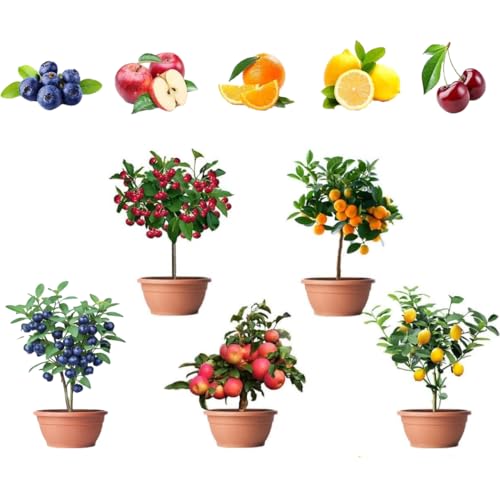
Variety Pack of 5 Fruits: Includes 40 Lemon seeds, 40 Orange seeds, 40 Apple seeds, 20 Cherry seeds, and 20 Blueberry seeds for a colorful and diverse home garden

1. Peel the fruit directly and remove the seeds.

For sale is one Clementine Mandarin tree that is approximately 2-5 inches tall and shipped in a pot
Key Supplies for Successful Potted Orange Trees
Growing orange trees in pots can be a rewarding endeavor, especially in Michigan’s unique climate. To ensure success, it’s essential to gather the right supplies that cater to the specific needs of these citrus trees. This section outlines the key items you’ll need to create an optimal growing environment for your potted orange trees.
Gathering the right supplies will set the foundation for your orange tree’s success. Ensure you have:
Quality potting mix: A well-draining mix is essential.
Containers: Choose pots with drainage holes, ideally 12-16 inches in diameter.
Fertilizer: Use a balanced, slow-release fertilizer formulated for citrus trees.
Grow lights: If natural light is insufficient, consider using grow lights to supplement.
Having these supplies ready will streamline the planting process.
Recommended Products
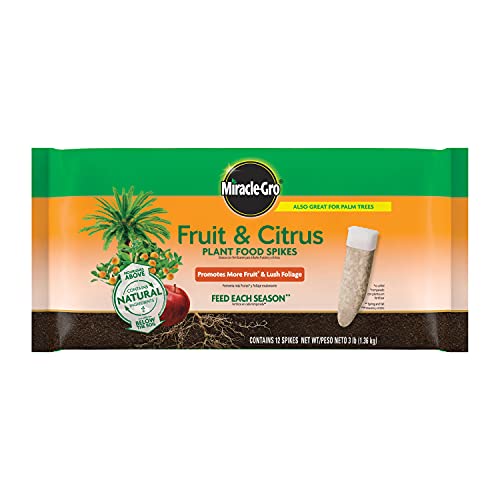
FORMULATED FOR CITRUS AND FRUIT TREES: Use these citrus fertilizer spikes on apple, orange, lemon, lime, and avocado trees; this formula is also great for feeding palm trees

FOR USE ON: Use Citrus-tone organic fertilizer for all citrus trees, including lemon, lime, orange, Meyer Lemon Trees as well as for avocado & nut trees

COMPLETE 3-IN-1 CITRUS NUTRITION KIT - Everything Your Trees Need Professional-grade fertilizer system includes slow-release NPK granules (6-month supply), liquid micronutrient concentrate (makes 32oz), and calcium supplement (makes 32oz). Specially formulated for lemon, orange, lime, grapefruit, and all citrus varieties in containers and pots.
Indoor Orange Tree Care Essentials
Caring for indoor orange trees in Michigan requires specific attention to their unique needs, especially given the region’s climate challenges. Understanding the essentials of light, watering, and temperature will help ensure these vibrant trees thrive indoors, bringing a touch of the tropics to your home. This section outlines the key factors to consider for successful orange tree cultivation.
Caring for orange trees indoors requires attention to specific needs. Focus on the following areas:
Watering: Water the tree when the top inch of soil feels dry. Avoid overwatering to prevent root rot.
Humidity: Maintain humidity levels around 50-60% using a humidifier or pebble trays filled with water.
Temperature: Keep the indoor temperature between 65-75°F during the day and slightly cooler at night.
Pruning: Regularly prune to encourage bushier growth and remove any dead or diseased branches.
These care techniques are essential for healthy growth and fruit production.
Pest and Disease Management for Indoor Oranges
Managing pests and diseases is crucial for the health of indoor orange trees, especially in Michigan’s unique climate. Understanding common threats and effective treatments will help ensure your potted oranges thrive indoors. This section explores practical strategies for keeping your indoor citrus healthy and productive.
Indoor orange trees can be susceptible to pests and diseases. Common issues include:
Spider mites: Look for webbing and yellowing leaves. Treat with insecticidal soap.
Scale insects: Identify by their hard, shell-like appearance. Remove manually or apply horticultural oil.
Root rot: Caused by overwatering. Ensure proper drainage and adjust watering habits.
Monitoring for these problems will help maintain your tree’s health.
Recommended Products
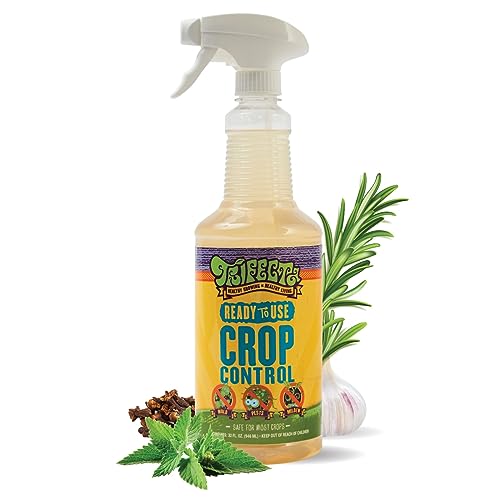
CROP, GARDEN & HOUSEPLANT INSECT CONTROL. Trifecta Crop Control all-natural, plant-based formula effectively combats destructive spider mites, aphids, whiteflies, fungus gnats, and other soft-bodied pests on indoor and outdoor plants. Our biodegradable, eco-friendly solution is safe for use on edible crops, without chemical residues. Our gentle yet potent plant spray suffocates and dehydrates pests without harming beneficial insects or the environment, making it ideal for organic gardening.

【FAST ACTION & THOROUGH KILL】: EcoVenger's Ready-to-use plant bug spray is designed for most grown plants, instantly targeting and wiping out horticultural insects on contact—perfect for both outdoor and indoor plants. For delicate and newly sprouted plant parts, simply dilute with water according to the label instructions.

NATURAL PLANT-BASED FORMULA - Natural plant-derived mite treatment formula uses ingredients designed for use around family, homes, cars, farms, chicken coops, pens, cages and agriculture, when used as directed.
Fertilization Timing for Potted Orange Trees
Understanding the optimal timing for fertilizing potted orange trees is crucial for their growth and fruit production, especially in Michigan’s unique climate. Proper fertilization not only enhances the tree’s health but also ensures that it thrives indoors, adapting to the challenges posed by the Great Lakes environment. This section will explore the best practices for fertilization to maximize your tree’s potential.
A proper fertilization schedule is vital for the growth and fruiting of orange trees. Follow these guidelines:
| Fertilization Type | Frequency | Recommended Product |
|---|---|---|
| Balanced fertilizer | Every 6-8 weeks | Citrus-specific formula |
| Micronutrients | Twice a year | Chelated iron and magnesium |
| Organic compost | Once a year | Well-rotted compost |
Using the right products at the correct intervals will support robust growth.
Indoor Orange Harvest Indicators
Successfully growing orange trees in pots indoors in Michigan requires careful observation of various harvest indicators. These signs can help determine the optimal time for picking fruit, ensuring the best flavor and quality. Understanding these indicators will enhance your indoor gardening experience and contribute to a fruitful harvest.
Knowing when to harvest your oranges is key to enjoying their flavor. Look for these signs:
Color: Fruit should turn a vibrant orange.
Firmness: Gently squeeze; ripe fruit will feel firm but slightly soft.
Taste test: Sample a fruit to ensure sweetness.
Harvesting at the right time will enhance your enjoyment of the fruit.
Potting Orange Tree Challenges in Michigan
Growing orange trees in pots in Michigan presents unique challenges due to the state’s fluctuating climate and limited sunlight during winter months. Understanding these obstacles is essential for successfully cultivating healthy orange trees indoors. This section explores the specific difficulties faced by gardeners in Michigan and offers insights on how to overcome them.
Even with the best care, you may encounter issues. Address these common problems:
Leaf drop: Often due to sudden temperature changes or overwatering.
Poor fruit set: May result from insufficient light or improper fertilization.
Yellow leaves: Indicates nutrient deficiency or overwatering.
Identifying these issues early will help you take corrective action.
Indoor Space Management for Orange Trees
Managing indoor space for orange trees in Michigan requires careful consideration of light, temperature, and humidity. Given the unique challenges posed by the Great Lakes climate, creating an optimal environment is essential for successful growth. This section will explore effective strategies to maximize indoor conditions for thriving potted orange trees.
Managing space and logistics is essential for successful indoor orange tree cultivation. Consider these factors:
Location: Place trees near south-facing windows for maximum sunlight.
Rotation: Rotate pots periodically to ensure even light exposure.
Accessibility: Ensure easy access for watering and maintenance.
Planning these logistics will enhance your growing experience.
Indoor Care Techniques for Michigan Orange Trees
Successfully growing orange trees indoors in Michigan requires specific care techniques tailored to the state’s unique climate. Understanding the needs of these citrus trees, from light requirements to watering practices, is essential for ensuring healthy growth and fruit production. This section explores effective strategies to help your potted orange trees thrive indoors, even during the harsh winters.
Growing orange trees in pots in Michigan is feasible with the right approach. By selecting suitable varieties and implementing effective care techniques, you can enjoy fresh oranges from your own indoor garden.
