

Have you ever stepped outside to find your fruit trees stripped bare by pesky squirrels? You’re not alone. Many gardeners face this frustrating challenge as these little critters seem to have a knack for raiding your hard-earned harvest.
Key Takeaways
- Understand Squirrel Behavior: Familiarize yourself with common squirrel species and their feeding habits to better protect your fruit trees during peak activity times.
- Implement Physical Barriers: Use tree guards, netting, and fencing to create protective barriers that deter squirrels from accessing your fruit.
- Utilize Repellents and Deterrents: Enhance your defense with natural repellents like cayenne pepper, motion-activated sprinklers, and noise devices to make the area unwelcoming for squirrels.
- Regular Tree Maintenance: Prune your trees and remove low-hanging fruit to improve tree health and reduce easy access points for squirrels.
- Harvest at the Right Time: Monitor your fruit closely and harvest as soon as it begins to ripen to minimize the opportunity for squirrels to raid your crops.
- Implement Companion Planting and Feeding Alternatives: Grow specific plants that repel squirrels and provide alternative food sources to distract them from your fruit trees.
Understanding Squirrels and Their Behavior
Squirrels are nimble and resourceful creatures often found in gardens. Understanding their behavior helps in finding effective ways to protect your fruit trees.
Squirrel Species Commonly Found
- Eastern Gray Squirrel: This species is the most common in urban areas. Known for its gray fur, it often raids gardens for fruits and nuts.
- Fox Squirrel: Larger than the Eastern Gray, this squirrel has reddish-brown fur. It prefers open areas and will also target fruit trees.
- Red Squirrel: Smaller and more aggressive, this species has reddish fur. It typically relies on conifer seeds but won’t pass up fruit if available.
- Food Source: Squirrels seek food, especially during late summer and fall when fruits ripen. Sweet and soft fruits attract them more than others.
- Nutrient Needs: Fruits provide essential vitamins and minerals, helping squirrels prepare for winter. Accessing your trees offers an easy meal.
- Territorial Behavior: Squirrels mark their territory by feeding in specific areas. They’ll regularly return to fruit trees if they’ve found a good source.
Understanding these elements helps to devise effective strategies for safeguarding your harvest.
Effective Prevention Methods
Protecting your fruit trees from squirrels requires a combination of physical barriers and strategic repellents. Implementing these methods can significantly reduce squirrel damage and help preserve your harvest.
Recommended Products

HDPE Material for Outdoor Garden Use: Made from high-density polyethylene (HDPE), RIFNY garden bird netting is designed for outdoor plant protection and repeated seasonal use. The flexible mesh is suitable for backyard gardeners, vegetable gardens, raised beds, fruit trees, blueberry bushes, flower gardens, and orchards. The black netting provides a practical barrier for protecting plants while maintaining airflow and sunlight

✅【Premium Heavy-Duty Material for Long-Lasting Protection】 VITI Fruit Trees Netting Crafted from reinforced polyethylene with UV-resistant coating, this netting is designed to withstand harsh weather conditions, including sun exposure, rain, and wind, without tearing or degrading over time. Unlike flimsy alternatives, its tear-resistant structure ensures multi-season use, saving you replacement costs.
Physical Barriers
Use physical barriers to create a protective shield around your fruit trees. Here are a few effective options:
- Tree Guards: Wrap metal mesh or plastic barriers around the trunks of trees. Ensure the barriers extend at least 4-5 feet high and have a few inches of clearance from the trunk. Prevents squirrels from climbing and accessing branches.
- Netting: Cover branches with bird netting, specifically around ripening fruits. Choose a durable mesh that can withstand outdoor conditions. Keeps squirrels from reaching the fruit while allowing sunlight and rain to nourish the tree.
- Fencing: If squirrels dig, install a fence around the fruit tree perimeter. Build it at least 3 feet high and bury the bottom 12 inches underground to deter burrowing. Fortifies your fruit trees from ground invasions.
Repellents and Deterrents
Incorporate repellents and deterrents to create an unwelcoming environment for squirrels. Try some of these methods:
- Cayenne Pepper: Sprinkle cayenne pepper or a mixture of hot spices around the base of the tree and on the fruit. The strong scent and taste discourage squirrels without harming them.
- Motion-Activated Sprinklers: Set up motion-activated sprinklers near your fruit trees. These devices spray water when they detect movement, startling squirrels and preventing them from coming close.
- Predator Urine: Buy commercial predator urine products, such as fox or coyote urine. Apply these around your trees to create the illusion of danger. Squirrels tend to avoid areas with predator scents.
- Noise Devices: Use wind chimes, aluminum foil strips, or commercial sound deterrents. These elements produce noises that irritate squirrels and encourage them to move on.
Adopting these effective prevention methods can help you safeguard your fruit trees from those persistent squirrels, ensuring your crops thrive.
Maintenance Tips for Fruit Trees
Keeping your fruit trees healthy not only enhances fruit production but also makes them less appealing to squirrels. Regular maintenance practices can safeguard your harvest.
Recommended Products

【Ultra-Fine Mesh Protection Against Birds & Pests】 Crafted from high-density HDPE material, our netting features a 0.6mm mesh size (smaller than most competitors) that effectively blocks squirrels, birds, and invasive insects like codling moths, fruit flies, and apple maggots . The UV-stabilized fabric resits tearing and weather damage, ensuring year-round durability without compromising airflow or sunlight penetration for healthy plant growth
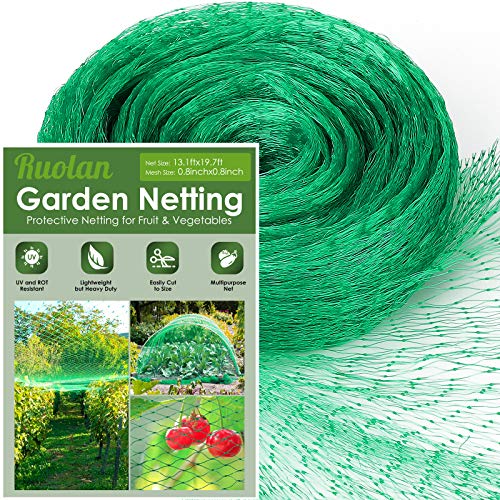
【Perfect size】(Garden Netting size 13ftX20ft, Mesh Size 0.8inchX0.8inch), Protect fruit tree plant blueberry strawberry from animals
Pruning and Tree Care
Pruning your trees involves cutting away dead or overgrown branches. This maintains tree health and improves air circulation, which can deter pests, including squirrels.
- Observe Growth Patterns: Assess your trees’ growth each season. Focus on removing any weak, crowded, or damaged branches.
- Use Clean Tools: Always use sterilized shears to prevent disease transmission. Clean tools ensure your trees stay healthy.
- Follow Seasonal Timelines: Prune during late winter or early spring before new growth starts. This timing allows trees to recover and thrive.
- Remove Low-Hanging Fruit: Keep low branches trimmed. This minimizes easy access for squirrels, making it tougher for them to reach the fruit.
Timing of Harvest
Harvesting at the right time can prevent squirrels from raiding your trees. Monitor your fruit closely and pick it as soon as it begins to ripen.
- Check Color and Texture: Ensure fruits show signs of ripening, such as changing color and softness. This indicates readiness for harvest.
- Regularly Inspect Your Trees: Visit your trees daily in late summer and fall when fruits are ripening. Frequent checks help you spot any squirrels before they cause damage.
- Pick Early in the Day: Harvest fruit early in the morning. Less activity and cooler temperatures can discourage squirrel visits during this time.
- Utilize Timed Harvesting: Collect fruits frequently. Picking fruits before they fully ripen prevents squirrels from enjoying them while letting you control the harvest.
Implementing these maintenance tips for your fruit trees creates a less inviting environment for squirrels, allowing you to enjoy a bountiful harvest.
Additional Strategies
In addition to physical barriers and strategic repellents, several other methods can help you keep squirrels from eating your fruit trees. These strategies include companion planting and providing feeding alternatives.
Companion Planting
Companion planting involves growing specific plants alongside your fruit trees to deter squirrels. Certain plants emit odors that squirrels find unappealing.
- Marigolds: Their strong scent helps repel squirrels and other pests.
- Lavender: This aromatic herb can confuse squirrels and mask the scent of ripening fruit.
- Garlic and onion: Both are natural deterrents. Plant them near your trees for added protection.
By strategically planting these species, you create a more hostile environment for squirrels while enhancing your garden’s beauty.
Feeding Alternatives
Providing squirrels with alternative food sources keeps them away from your fruit trees. Redirecting their focus can help preserve your harvest.
- Nut feeders: Install feeders filled with nuts, which squirrels prefer. Peanuts or sunflower seeds attract them without sacrificing your fruit.
- Fruit trees for squirrels: Designate specific trees or areas where you plant fruits that squirrels enjoy, like mulberries or blackberries. This keeps them occupied elsewhere.
- Natural habitat enhancements: Consider creating a small brush pile or adding bird feeders. These provide squirrels with additional foraging options.
By offering these feeding alternatives, you minimize competition with your fruit trees, helping safeguard your crops effectively.
Conclusion
Keeping squirrels at bay doesn’t have to be an uphill battle. By understanding their habits and preferences you can implement effective strategies that protect your fruit trees. Physical barriers and natural repellents are great first steps in your defense.
Don’t forget about regular maintenance and timely harvesting to make your trees less appealing. You can even consider companion planting and providing alternative food sources to keep those pesky critters occupied elsewhere.
With a bit of effort and creativity you can enjoy a fruitful harvest while keeping squirrels at a distance. Happy gardening!
Frequently Asked Questions
What attracts squirrels to fruit trees?
Squirrels are primarily attracted to sweet and soft fruits, especially during late summer and fall when they are ripening. These fruits provide essential nutrients that help squirrels prepare for winter, making them a prime target for these animals.
How can I protect my fruit trees from squirrels?
To protect fruit trees from squirrels, consider using physical barriers like metal mesh tree guards, netting, and fencing. Additionally, strategic repellents such as cayenne pepper, motion-activated sprinklers, and noise devices can be effective in deterring them.
What are some maintenance tips to deter squirrels?
Regularly maintaining your fruit trees can help deter squirrels. Prune branches to improve air circulation, remove low-hanging fruit, and monitor your harvest closely. Picking fruit as soon as it begins to ripen makes it less appealing to squirrels.
Can companion planting help keep squirrels away?
Yes, companion planting can be an effective strategy to deter squirrels. Growing plants like marigolds, lavender, garlic, and onions can emit odors that squirrels dislike, potentially protecting your fruit trees from these pesky animals.
Are there alternative food sources I can provide for squirrels?
Providing alternative food sources, such as nut feeders or designated fruit trees, can help redirect squirrels’ focus away from your main crops. This strategy minimizes competition and can reduce damage to your fruit trees.
