

Have you ever watched birds swoop down and feast on your ripe fruit just as it’s about to be picked? It’s a frustrating sight for any gardener or fruit lover. You put in all that hard work nurturing your trees, only to see your harvest dwindling before it even reaches your table.
Don’t worry; you’re not alone in this battle. Many people face the same challenge when trying to protect their precious fruit trees. This article will share practical tips and effective strategies to keep those pesky birds at bay. By the end, you’ll feel empowered to safeguard your fruit and enjoy a bountiful harvest without the stress of sharing it with feathered friends.
Key Takeaways
- Identify Bird Species: Recognizing common fruit-raiding birds like starlings, sparrows, crows, and robins is essential for implementing targeted strategies.
- Utilize Physical Barriers: Protect your fruit trees with bird netting, row covers, and reflective scare tactics, which provide immediate physical deterrents.
- Employ Repellents and Scents: Utilize commercial bird repellents, natural oils, or homemade spicy sprays to disrupt birds’ senses and keep them away from your harvest.
- Incorporate Sound Devices: Install wind chimes, ultrasonic repellers, or recordings of predatory bird calls to create an unwelcoming noise environment for birds.
- Practice Proactive Monitoring: Early installation of deterrents, regular checks on barriers, and adjusting tactics based on bird activity will enhance protection efforts.
- Consider Environmental Balance: Promote ecological harmony by planting alternative food sources and using non-invasive deterrents, ensuring both your harvest and local wildlife can thrive.
Understanding The Problem
Birds often raid fruit trees, causing loss before you can harvest. Recognizing the reasons and identifying specific bird species helps in taking effective measures.
Recommended Products

HDPE Material for Outdoor Garden Use: Made from high-density polyethylene (HDPE), RIFNY garden bird netting is designed for outdoor plant protection and repeated seasonal use. The flexible mesh is suitable for backyard gardeners, vegetable gardens, raised beds, fruit trees, blueberry bushes, flower gardens, and orchards. The black netting provides a practical barrier for protecting plants while maintaining airflow and sunlight

Size: Deer netting size 7 feet x 100 feet; garden netting mesh size 3/4"; color: black; Easy to use accessories included: 10pcs installation nails & 50pcs cable ties
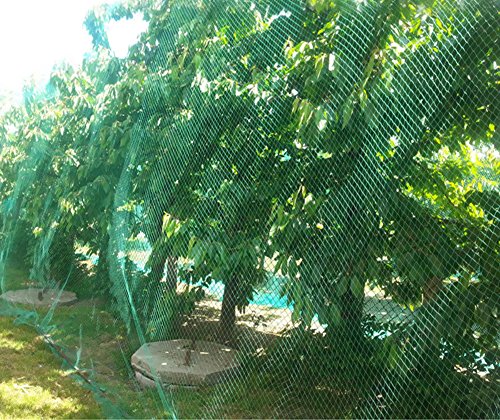
Excellent Material & Quality: Our bird netting is made of strong and durable PE with high stretch, light-weight but not tear easily; It is anti-UV and tough enough to withstand the effects of the sun and bad weather conditions, so you can use the garden netting repeatedly until the end of the season; The size of the poultry netting mesh refers to the measured length straightened from the far left to the far right
Why Birds Are Attracted To Fruit Trees
Birds find ripe fruit trees appealing due to several factors. First, the bright colors of ripe fruit catch their eye, signaling food. Second, the scent of ripe fruits draws them in, as it indicates high sugar content. Third, trees provide shelter and resting spots, making them an ideal feeding location. When fruits are abundant, birds gather, resulting in significant losses for you.
Common Bird Species That Cause Issues
Certain bird species are notorious for raiding fruit trees.
- Starlings: These birds are highly social and flock together, targeting ripe fruits in large numbers. They feed quickly and can decimate your harvest.
- Sparrows: Small and agile, sparrows often peck at soft fruit and can strip trees clean.
- Crows: Intelligent and resourceful, crows search for the easiest food source and enjoy fruits as a part of their diet.
- Robins: They are drawn to berries and cherries, often consuming them before they fully ripen.
Identifying these birds enables you to implement specific strategies to protect your crops.
Effective Methods To Keep Birds Away
You can implement several effective strategies to keep birds away from your fruit trees and protect your harvest.
Physical Barriers
Using physical barriers can provide immediate protection for your fruit trees.
- Netting: Cover your trees with bird netting to prevent birds from reaching the fruit. Choose a lightweight net that won’t harm the tree and secure it tightly to avoid birds getting trapped.
- Row Covers: Use floating row covers to temporarily shield small trees. These covers allow sunlight and rain through while keeping birds out.
- Scare Tactics: Install reflective objects, such as aluminum foil strips or old CDs, in the areas around your trees. Their movement and shine can deter birds from approaching.
Repellents and Scents
Repellents can disrupt birds’ senses and discourage them from your trees.
- Commercial Repellents: Consider using bird repellents available at garden centers. Look for ones with non-toxic ingredients safe for plants and animals.
- Natural Oils: Apply natural oils, like peppermint or citronella, to the tree branches. Birds dislike these scents, helping to keep them at bay.
- Homemade Solutions: Create a spray using water and hot pepper to coat the fruit. The spicy flavor discourages birds from pecking at your harvest.
Sound Devices
Using sound devices can create an unwelcoming environment for birds.
- Wind Chimes: Hang wind chimes around your trees to produce random noises. The sound can keep birds away without being overly disruptive.
- Ultrasonic Devices: Invest in ultrasonic bird repellers that emit high-frequency sounds. These are inaudible to humans but bothersome to birds, effectively keeping them away.
- Recording Devices: Play recordings of predatory bird calls to simulate danger. This can instill fear in smaller birds, deterring them from your trees.
Implementing these methods can significantly reduce bird activity around your fruit trees, helping you secure your harvest.
Best Practices For Bird Prevention
Effective bird prevention requires timely action and consistent maintenance. Implementing the right strategies can safeguard your fruit trees from unwanted visitors.
Recommended Products

✅【Premium Heavy-Duty Material for Long-Lasting Protection】 VITI Fruit Trees Netting Crafted from reinforced polyethylene with UV-resistant coating, this netting is designed to withstand harsh weather conditions, including sun exposure, rain, and wind, without tearing or degrading over time. Unlike flimsy alternatives, its tear-resistant structure ensures multi-season use, saving you replacement costs.

Extra Large Coverage: 15ft x 15ft bird netting offers full protection for large fruit trees and plants.

Convenient Zipper and Drawstring Design---Our Fruit Tree Netting for Cicadas has a user - friendly, durable zipper. It makes accessing fruit trees & blueberry bushes easy during trimming, watering, or harvesting. No more struggling with complex closures or removing the whole net. This is especially useful for cicada protection. The attached drawstring enhances functionality, allowing you to secure the net tightly around plants. This combo ensures easy handling & a snug fit, even in windy conditions, making plant maintenance stress - free.
Timing and Strategies
- Install Barriers Early: Set up bird netting or row covers before fruit ripens. This proactive step minimizes the chance of birds targeting your trees.
- Use Scare Tactics Immediately: Place reflective objects like aluminum foil strips or old CDs around trees as soon as the fruit begins to appear. Movement and light can deter birds effectively.
- Start Sound Devices Early: Activate wind chimes or ultrasonic repellers once the first blooms appear. Continuous noise can keep birds at bay during critical times.
- Monitor High Activity Times: Observe bird feeding patterns. Increase deterrent measures during peak feeding times, typically early morning and late afternoon.
- Regularly Inspect Barriers: Check bird netting for tears and damage. Repair or replace damaged sections to maintain effectiveness.
- Rotate Scare Tactics: Change the location of reflective objects every few weeks. Birds adapt quickly, so fresh placements keep them confused.
- Clean Sound Devices Frequently: Ensure wind chimes operate correctly. Remove debris or adjust positioning for optimal effectiveness.
- Stay Alert for New Threats: Watch for different bird species as the season progresses. Adapt your strategies accordingly, keeping in mind that local populations can change.
By following these practices, you can protect your fruit trees and enjoy a fruitful harvest.
Environmental Considerations
Protecting your fruit trees from birds involves considering the ecological balance and finding respectful ways to deter birds while maintaining healthy habitats.
Balancing Nature and Protection
You can preserve the local ecosystem while keeping birds away from your fruit trees. Birds play essential roles in controlling pests and pollinating plants. Consider planting alternative food sources like sunflowers or millet away from your fruit trees. This approach attracts birds to other areas, providing them with nourishment while reducing their interest in your fruit. Regularly checking on neighboring wildlife can also help maintain harmony with nature.
Alternatives To Deterrents
Explore non-invasive alternatives to traditional deterrents. Instead of harsh repellents, use natural solutions. For instance, planting herbs like basil or mint around your trees may deter birds with their strong scents. Other options include hanging shiny objects like old CDs or aluminum foil strips nearby; these can create reflections that confuse birds. Additionally, creating decoy nests can signal to birds that the area is already occupied, discouraging them from settling near your trees.
Conclusion
Protecting your fruit trees from birds doesn’t have to be a daunting task. With a little creativity and some simple strategies you can enjoy your harvest without the worry of feathered thieves. Whether you choose physical barriers or natural deterrents it’s all about finding what works best for you and your garden.
Remember to stay vigilant and adapt your methods as needed. By maintaining a balance between safeguarding your fruits and respecting local wildlife you’ll create a thriving garden that benefits everyone. Happy gardening and may your trees be laden with delicious fruit this season!
Frequently Asked Questions
What attracts birds to fruit trees?
Birds are drawn to fruit trees due to their bright colors, sweet scents, and the shelter they provide. These factors make fruit trees an appealing location for birds seeking food and safety, leading to potential conflicts with gardeners.
What are some effective methods to deter birds from fruit trees?
To keep birds away, you can use physical barriers like bird netting, employ scare tactics with reflective objects, and utilize sound devices such as wind chimes or recordings of predatory bird calls. Additionally, natural repellents like essential oils can also help.
How can I monitor bird activity in my garden?
Regularly observe your garden during different times of the day, especially when fruits begin to ripen. Look for signs like bird droppings or physical presence near the trees. Keeping track of any bird patterns will help you determine when to implement deterrent strategies.
When should I implement bird deterrents for my fruit trees?
It’s best to set up deterrents early, before the fruit ripens. Install physical barriers and use scare tactics as soon as the buds appear. Early action helps create an unwelcoming environment for birds and protects your fruit throughout the growing season.
Are there environmentally friendly alternatives to traditional bird deterrents?
Yes, you can use non-invasive methods like planting alternative food sources away from fruit trees to draw birds elsewhere. Natural solutions such as shiny objects, aromatic herbs, and decoy nests can also be effective in discouraging birds without harming local wildlife.
