

The guava tree's ability to produce an abundant harvest for a long period is quite remarkable. The reasons behind this extended harvest season are a combination of factors like the tree's toughness, adaptability, and unique blooming and fruiting patterns.
Understanding what makes guava trees so special and how they continue to bear fruit for such a long time is truly fascinating. Let's explore the mystery behind the guava tree's prolonged harvest season and uncover the intriguing reasons behind its abundance.
Key Takeaways
- Guava trees have a long harvest season due to their ability to thrive in tropical and subtropical regions, where the optimal temperature range of 25 to 32°C (77 to 90°F) allows for continuous fruit production.
- Seasonal variations can affect the abundance and timing of guava harvest, but guava trees generally yield a bountiful harvest throughout the year.
- The flowering process of guava trees, which relies on insects like bees for pollination, plays a crucial role in fruit production. Fertilized ovaries develop into fruits, and the maturation period can vary depending on the variety and growing conditions.
- Regular pruning and maintenance of guava trees not only improve fruit quality but also help prevent diseases, enhance vitality, and make harvesting easier.
Guava Tree Growing Conditions
To successfully grow guava trees, you need to ensure they're planted in well-draining soil and receive plenty of sunlight. Guava trees thrive in tropical and subtropical regions, making them best suited for a warm, humid climate. The optimal temperature for guava tree growth is between 25 to 32°C (77 to 90°F), and they're sensitive to frost.
When it comes to soil, guava trees prefer well-draining soil with a pH ranging from 4.5 to 7.0. They can tolerate a variety of soil types, including sandy, loamy, or rocky soils, as long as there's good drainage. However, they don't tolerate waterlogged conditions.
Providing these optimal climate and soil requirements will ensure that your guava trees have the best conditions for healthy growth and fruit production.
Recommended Products

Enhanced Growth Benefits: Supports optimal plant health with superior aeration, effective drainage, excellent nutrient retention, and a balanced pH – everything citrus plants need to thrive.

100% Natural: Expertly hand-blended with premium ingredients for potted citrus trees, ensuring your trees receive the purest, chemical-free nutrients. Contains no artificial additives.

Tailored for Avocado Trees: Specifically designed to meet the nutritional needs and pH requirements of avocado trees for healthy, vigorous growth.
Guava Tree Fruit Production
When cultivating guava trees in the optimal tropical or subtropical climate and well-draining soil conditions, you can expect a bountiful harvest of delicious, fragrant guava fruits. Guava tree fruit production is a rewarding experience, with the trees yielding ripe fruits throughout the year, with seasonal variations affecting the abundance and timing of the harvest. The fruit ripening process is a sight to behold, as the green-skinned guavas transform into vibrant yellow or light green hues, emitting a sweet, tropical fragrance that fills the air. Witnessing the guava trees laden with ripe fruits is a delightful experience, and the anticipation of plucking the juicy, flavorful guavas adds to the joy of fruit production. Below is a table that showcases the seasonal variations in guava fruit production, evoking the excitement of a continuous harvest.
| Season | Fruit Production |
|---|---|
| Spring | High |
| Summer | Highest |
| Autumn | Moderate |
Guava Tree Flowering Process
During the guava tree's flowering process, delicate white blossoms adorn the branches, creating a captivating spectacle of nature's artistry. Here's a breakdown of the guava tree's flowering process:
- Flowering Stages: Guava trees go through three main stages of flowering: the pre-flowering stage, flowering stage, and post-flowering stage. Each stage is crucial for the development of guava fruits.
- Environmental Factors: The flowering process is greatly influenced by environmental factors such as temperature, humidity, and sunlight. Guava trees thrive in warm climates with well-distributed rainfall.
- Pollination Process: Guava trees rely on insects, primarily bees, for the pollination process. The transfer of pollen from the stamen to the pistil is essential for fruit development.
- Fruit Development: After successful pollination, the fertilized ovary develops into a fruit. The maturation period varies depending on the guava tree variety and environmental conditions.
Guava Tree Harvesting Techniques
Harvesting ripe guavas from your tree requires careful attention to timing and proper techniques to ensure the best flavor and quality of the fruits. When it comes to guava tree harvesting techniques, understanding the optimal time for picking is crucial. Guavas should be harvested when they are fully mature but still firm. To help you better grasp the process, here's a useful guide on the essential techniques for harvesting guavas:
| Guava Tree Harvesting Techniques | Description |
|---|---|
| Tree Pruning | Regularly prune your guava tree to promote better fruit production and ease of harvesting. Pruning also helps to maintain tree health and shape. |
| Fruit Ripening | Monitor the color change of the guavas. Wait until the fruit is fully developed and has a distinctive aroma. Harvest by gently twisting the fruit off the tree. |
These techniques will ensure that you gather the most flavorful and high-quality guavas from your tree.
Recommended Products
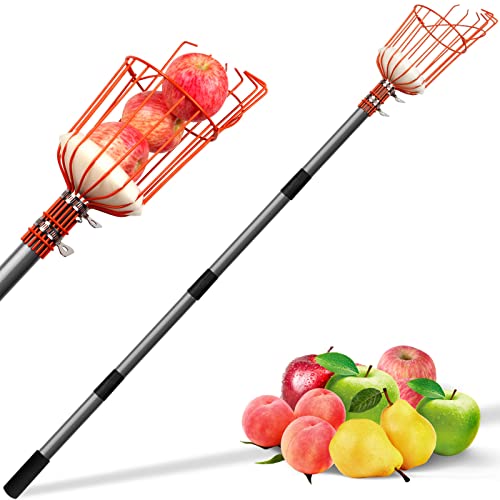
【Gentle Harvesting& Less Bruising】:This fruit picker basket features a cushioned foam pad that gently absorbs impact when fruits drop, helping reduce bruising and damage. The large-capacity metal basket is suitable for fruits ranging from 1-5.5 inches in diameter. Such as apples, mangoes, cherries, and other fruits, it ensures cleaner and safer picking with less waste.

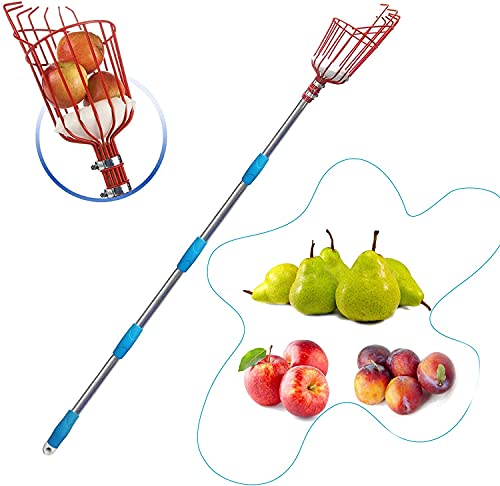
【Length Adjustable】Length adjustable picker-Suitable for trees of different heights. The length displayed on the page is the maximum length of the item. You can reduce the length of the item by reducing the number of steel pipes.
Guava Tree Pruning and Maintenance
Pruning your guava tree regularly not only promotes better fruit production and ease of harvesting but also plays a crucial role in maintaining the health and shape of the tree.
Here are some key benefits of pruning and essential maintenance tips:
- Improved Fruit Quality: Pruning helps in directing the tree's energy towards fruit production, resulting in better quality guavas.
- Disease Prevention: Regular pruning allows for better airflow and sunlight penetration, reducing the risk of diseases and promoting overall tree health.
- Shape and Size Control: Proper pruning helps in maintaining the tree's shape and size, making it easier to manage and harvest.
- Deadwood Removal: Removing dead or damaged branches through pruning prevents the spread of decay and enhances the tree's vitality.
Recommended Products

Adjustable and Durable Handle - Extendable Loppers: The lopping shears are adjustable from 16 inches to 24 inches, allowing you to handle tall branches easily. The iron arm is more sturdy and durable, and will not bend even when cutting large and thick branches.
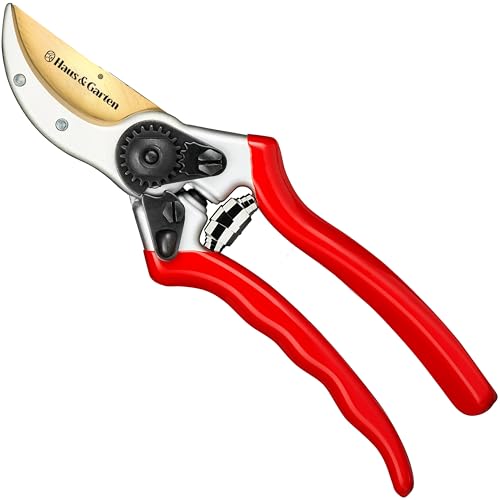
Sharp, Clean Cuts Every Time – Engineered from Japanese grade, high-carbon steel, ClassicPRO bypass pruning shears for gardening stay sharp and make precise cuts that encourage healthy growth and won’t damage your plants

Essential Cactus Care Kit: Jumpstart your gardening with our Cactus Saw Tool Pack, ideal for beginners and seasoned gardeners alike. Includes a precision Cactus Saw and long-handled gripper, perfect for safely pruning and maintaining cacti and succulents in your collection or landscape. Crafted for durability and ease.
Conclusion
In the end, the lengthy harvest season of guava trees is a result of careful cultivation, optimal growing conditions, and effective harvesting techniques.
This prolonged period of fruit production ensures a steady supply of delicious and nutritious guavas for an extended time.
It's a testament to the resilience and bounty of nature, leaving us to appreciate the remarkable process that brings these delightful fruits to our table.
