

Have you ever watched in frustration as birds swoop down and feast on your hard-earned fruit? You’re not alone. Many gardeners face this common challenge, and it can feel like a losing battle when those feathered friends enjoy your harvest more than you do.
Key Takeaways
- Understand Bird Behavior: Recognize that birds are attracted to ripe fruits due to their colors and scents, making your trees vulnerable to raids.
- Identify Problematic Species: Be aware of common birds like robins, cedar waxwings, and starlings that can cause significant damage to your fruit harvest.
- Implement Physical Barriers: Use row covers, garden fencing, or mesh bags to physically prevent birds from accessing your fruit.
- Utilize Scare Tactics: Employ reflective materials, noise makers, and decoy predators to deter birds from approaching your trees.
- Consider Organic Solutions: Use natural deterrents such as spicy sprays and companion planting with herbs or flowers to repel birds without chemicals.
- Create a Balanced Ecosystem: Encourage beneficial wildlife and maintain garden health to create an environment that is less attractive to birds seeking food.
Understanding The Problem
Birds can devastate fruit trees, leading to significant harvest loss. Several factors contribute to this issue, including the attractiveness of ripe fruit and the natural feeding habits of birds.
Attractiveness of Ripe Fruit
Fruits like berries, apples, and cherries emit scents and colors that attract birds. Bright colors signal ripeness, drawing them closer. Birds prefer fruits that are easily accessible, often nesting nearby in search of food, making your trees prime targets.
Common Bird Species
Certain species tend to be more problematic. Examples include:
- Robins: Known for their love of berries, robins frequently raid gardens.
- Cedar Waxwings: These birds flock to trees with ripe fruit, consuming large quantities quickly.
- Starlings: Often feed in groups, starlings can strip fruits from trees in a matter of minutes.
Timing of Bird Activity
Bird activities peak during specific times. Many birds are most active early in the morning or late in the day. Knowing these times allows you to implement strategies when birds are most likely to raid your trees.
Influence of Environmental Factors
Factors such as drought or lack of natural food sources can push birds to your trees. During dry seasons, birds search for easy meals. Ensuring your trees are in good health can reduce their attractiveness.
Understanding these factors helps you develop effective strategies to keep birds away from your fruit trees. Recognizing how birds interact with your garden allows you to make informed decisions on protective measures.
Effective Strategies
Protecting your fruit trees from birds requires practical strategies. Here are some effective methods to consider.
Recommended Products

Protect Your Vegetables and Fruits: LCHUANG Garden Netting is great for orchards, greenhouses, gardens, nurseries, patios, and shrubs. This Bird Netting with a zipper can protect blueberries, tomatoes, trees, fruits, flowers, vegetables, and potted plants from insects, birds, and bugs, which helps the plants grow normally.
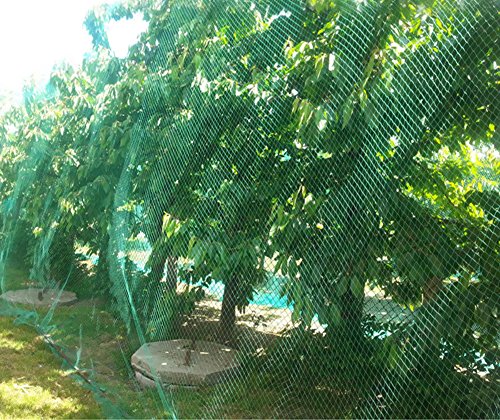
Excellent Material & Quality: Our bird netting is made of strong and durable PE with high stretch, light-weight but not tear easily; It is anti-UV and tough enough to withstand the effects of the sun and bad weather conditions, so you can use the garden netting repeatedly until the end of the season; The size of the poultry netting mesh refers to the measured length straightened from the far left to the far right

Size: Deer netting size 7 feet x 100 feet; garden netting mesh size 3/4"; color: black; Easy to use accessories included: 10pcs installation nails & 50pcs cable ties
Physical Barriers
Use physical barriers to keep birds at bay.
- Row Covers: Light-weight fabric covers protect fruit while allowing sunlight and moisture in. Secure the edges to prevent birds from exploiting gaps.
- Garden Fencing: Surround your garden with a tall fence. Use at least 6 feet high to deter bird access.
- Baskets or Bags: Place mesh bags or small baskets over individual fruit clusters. This method prevents birds from reaching them.
Scare Tactics
Employ scare tactics to discourage birds.
- Reflective Materials: Hang reflective tape or old CDs near your trees. The reflections confuse and scare off birds.
- Noise Makers: Use wind chimes or homemade noise devices that create sound in the wind. Sudden noises interrupt feeding habits.
- Decoys: Position decoy predators like plastic owls or snakes in your garden. Move them regularly to maintain their effectiveness.
Netting Solutions
Netting solutions offer a protective layer for your trees.
- Bird Netting: Cover your trees with bird netting. Select a mesh size that restricts access while allowing sunlight and rain through. Ensure it’s secured at the ground level to prevent birds from sneaking underneath.
- Support Structures: Create a frame using PVC pipe or wooden stakes to hold the netting above the fruit. This prevents birds from getting trapped and allows for easy access when harvesting.
Using these strategies helps minimize bird damage while allowing you to enjoy the fruits of your labor.
Organic Solutions
Organic solutions offer effective methods to deter birds from your fruit trees without harmful chemicals. You can create a more welcoming environment for growth while protecting your harvest.
Natural Deterrents
Natural deterrents can minimize bird damage effectively. Here are a few options:
- Spicy Sprays: Mix cayenne pepper or chili powder with water and spray it on your fruits. The spiciness discourages birds from pecking.
- Garlic and Vinegar: Blend garlic with vinegar and water to create a fragrant spray. The strong odor can repel birds.
- Herbal Repellents: Plant herbs like basil or mint near your fruit trees. Their scents may deter birds while enhancing your garden’s aesthetic.
Companion Planting
Companion planting can help protect your fruit trees by distracting birds. Consider these combinations:
- Marigolds: Plant marigolds around your fruit trees. Their vibrant colors can attract birds away from your fruits.
- Sunflowers: Grow sunflowers nearby. They offer an appealing alternative food source without competing with your fruits.
- Borage: This plant’s flowers attract beneficial insects and provide a colorful distraction, drawing birds away from the edible fruits.
Implementing these organic solutions can effectively protect your fruit trees while maintaining a natural garden environment.
Creating A Balanced Ecosystem
Creating a balanced ecosystem in your garden helps protect fruit from birds while promoting a healthy environment. This approach focuses on attracting beneficial wildlife and deterring unwanted visitors.
Attract Beneficial Birds
Attracting songbirds and other beneficial species can help control pest populations. These birds often feed on insects that may harm your fruit trees.
- Plant native flowers: Native plants provide food and shelter, inviting insectivorous birds to your garden. Examples include coneflowers, daylilies, and black-eyed Susans.
- Provide birdhouses and feeders: Setting up birdhouses encourages species such as bluebirds, which can help manage harmful insects. Use feeders filled with suet or seeds to draw in insect-eating birds.
Implement Companion Planting
Companion planting involves growing specific plants alongside your fruit trees to deter birds or pests. Certain plants naturally repel birds and pests without chemicals.
- Marigolds: Their strong odor can confuse birds and deter them from approaching fruit.
- Sunflowers: Planting sunflowers can attract birds away from your fruit trees, providing them with alternative food sources.
Maintain Your Garden’s Health
A healthy garden supports a balanced ecosystem, making it less appealing to birds seeking easy meals.
- Water regularly: Ensure your trees and plants receive adequate moisture. Healthy plants produce more fruit, attracting fewer birds due to improved pest resistance.
- Use organic soil amendments: Enrich your soil with compost or organic fertilizers. Healthy soil supports robust plants less susceptible to pests.
Encourage Natural Predators
Encouraging natural predators can reduce bird populations effectively. Having a mix of wildlife reduces birds’ inclination to invade your fruit.
- Butterfly gardens: Create spaces for butterflies, which help manage unwanted insect populations.
- Provide habitats for predatory animals: Attracting hawks or owls, which prey on smaller birds, can control bird numbers. Install tall perches or nest boxes to provide suitable locations.
By focusing on creating a balanced ecosystem, you cultivate not only delicious fruit but also a flourishing garden that supports beneficial wildlife. This approach minimizes bird damage, allowing you to enjoy your harvest with fewer problems.
Conclusion
Protecting your fruit trees from birds doesn’t have to be a daunting task. By implementing a mix of physical barriers and natural deterrents you can enjoy a bountiful harvest without the feathered intruders stealing your hard work.
Creating a balanced ecosystem in your garden not only helps fend off birds but also promotes overall plant health. Remember to keep experimenting with different methods to find what works best for your garden.
With a little creativity and effort you can cultivate a thriving garden that attracts beneficial wildlife while keeping your fruits safe and sound. Happy gardening!
Frequently Asked Questions
Why are birds attracted to my fruit trees?
Birds are drawn to fruit trees because of the ripe fruits’ bright colors and sweet scents. Common fruit like berries, apples, and cherries become targets as they provide an easy meal. The appeal increases when fruits are at their peak ripeness, making them irresistible to birds.
What birds usually eat fruit from my garden?
Several bird species can cause damage to fruit gardens, including robins, cedar waxwings, and starlings. These birds can quickly consume large amounts of fruit, especially during their active feeding times in the early morning and late evening.
How can I protect my fruit trees from birds?
To shield your fruit trees, consider using physical barriers like row covers, garden fencing, or mesh bags. Additionally, employ scare tactics, such as hanging reflective materials, noise makers, or decoy predators. Bird netting can also be an effective solution.
Are there organic methods to deter birds?
Yes, there are several organic solutions available. You can create spicy sprays with cayenne pepper, garlic, and vinegar. Herbal repellents like basil and mint can also be planted to dissuade birds. Companion planting with marigolds and sunflowers is another effective tactic.
How can I create a balanced ecosystem in my garden?
To build a balanced ecosystem, plant native flowers to attract beneficial birds that feed on harmful insects. Offer birdhouses and feeders to encourage these helpful species. Regularly maintaining soil health and providing water will keep your plants less appealing to unwanted birds.
