

Growing peach trees in pots in Wisconsin requires specific care during the northern winter months. Protecting these trees from harsh conditions is essential for their survival and future fruit production.
Best Peach Tree Varieties for Container Growth
Selecting the right peach tree variety is crucial for successful container growth, especially in Wisconsin’s challenging climate. Certain cultivars are better suited for pot cultivation, offering resilience against cold winters while still producing delicious fruit. This section explores the best peach tree varieties that thrive in containers, ensuring a fruitful harvest even in northern conditions.
Selecting the right peach tree variety is crucial for successful growth in pots. Some varieties are better suited for colder climates, while others may struggle. Consider these factors when choosing:
Cold Hardiness: Look for varieties that can withstand temperatures as low as -20°F.
Dwarf Varieties: Opt for dwarf or semi-dwarf types, which thrive in pots and are easier to manage.
Self-Pollinating: Choose trees that do not require another tree for pollination to ensure fruit production.
Recommended Products

Product Quantity: Five+ dwarf peach tree seeds per packet; Premium selection for optimal viability; Perfect for starting your own backyard orchard


Golden Red Peach tree seedling, approximately 6-9 inches tall, shipped growing in a half-gallon pot and ready for transplanting into containers, gardens, or small orchards.
Winter Care Strategies for Potted Peach Trees
Caring for potted peach trees during Wisconsin’s harsh winters requires specific strategies to ensure their survival and health. This section outlines effective methods for protecting these trees from freezing temperatures and harsh weather conditions, enabling gardeners to enjoy the fruits of their labor come spring. Proper winter care is essential for thriving peach trees in a challenging climate.
Winter preparation is vital for the health of your potted peach trees. Proper steps can help mitigate frost damage and ensure robust growth in spring. Follow these guidelines:
Location: Move pots to a sheltered area, such as against a south-facing wall, to maximize sunlight and warmth.
Insulation: Wrap pots with burlap or bubble wrap to provide insulation against freezing temperatures.
Mulching: Add a thick layer of mulch on top of the soil to retain moisture and regulate temperature.
Recommended Products
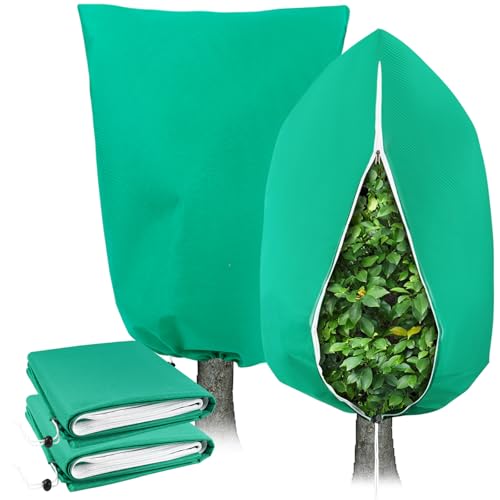
PLANT COVERS FREEZE PROTECTION FOR WINTER:You will receive 2 pack 47 * 72 inch frost blankets cloths for outdoor plants, designed specifically for outdoor plant protection, which can resist frost, snow, rain, wind, hail, animals, insects, birds, etc. Frost cloths for outdoor plants providing sufficient coverage space and is very suitable for shrubs, small trees, flowers, vegetables, etc

Janitorial & Cleaning Supplies

The Large plant cover is perfect for Plant size 55''-70"high and 84''-94" round, Heavy-weight FRCs (1.77oz./sq. yard): usually used to extend the growing season in spring and fall, allow 40%-60% light transmittance, and recommend 3°-8°F of freeze protection
Winter Watering Practices for Potted Peaches
Caring for potted peach trees during Wisconsin’s harsh winters requires careful attention to watering practices. As temperatures drop, understanding how to manage moisture levels becomes crucial for the health of your trees. This section outlines effective winter watering strategies to ensure your potted peaches thrive despite the cold conditions.
Potted peach trees still require water during winter, albeit less frequently. Monitor soil moisture levels to prevent dehydration. Consider these practices:
Check Soil Moisture: Insert your finger into the soil; if it feels dry an inch down, it’s time to water.
Water Sparingly: Use lukewarm water to avoid shocking the roots. Water only when necessary.
Avoid Overwatering: Ensure pots have drainage holes to prevent root rot.
Recommended Products
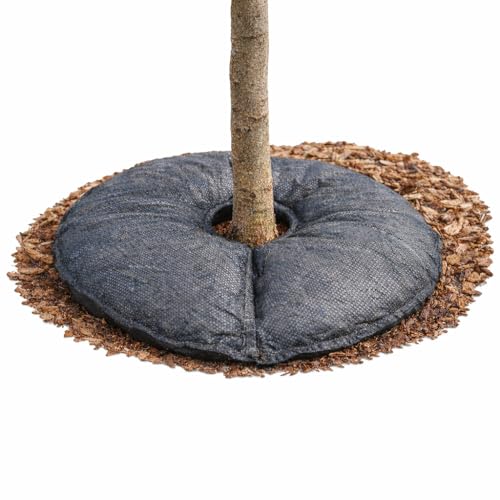
For Plants and Trees that with root balls about 12” in dia., (11-15”, e.g. 3-10 Gallon Container Sizes have top diameters between 11-15”) - Uses 99% LESS WATER than traditional tree bag over the course of multiple seasons for better establishment of the newly planted trees and shrubs! When the plant root ball is larger than 15”, the 36”, 48”, or multiple units of these larger sized SteadySpring Tree Mats are recommended to cover an area double of the root ball size or at least 20” larger than the root ball.


Engineered for Approx. 12-Hour Slow Release – Ideal for overnight watering and much longer-lasting than common short-duration options.
Winter Nutrient Management for Peach Trees
Proper nutrient management during winter is crucial for the health of potted peach trees in Wisconsin. As temperatures drop, understanding how to adjust feeding practices can help ensure these trees remain strong and resilient through the harsh northern winters. This section outlines effective strategies for maintaining nutrient levels and supporting tree vitality during the cold months.
While fertilization typically slows down in winter, maintaining nutrient levels can support your peach tree’s health. Implement these strategies:
Use Slow-Release Fertilizer: Apply a balanced, slow-release fertilizer in late fall to provide nutrients throughout winter.
Avoid Heavy Feeding: Do not fertilize during the coldest months to prevent stimulating new growth that could be damaged by frost.
Monitor Nutrient Levels: Check for signs of nutrient deficiency, such as yellowing leaves, and adjust accordingly.
Winter Pest and Disease Prevention Strategies
As winter approaches in Wisconsin, peach trees in pots face unique challenges from pests and diseases. Effective prevention strategies are essential to protect these trees during the harsh months ahead. Understanding how to identify potential threats and implement appropriate measures can ensure the health and vitality of your potted peach trees throughout the winter season.
Pests and diseases can still affect peach trees during winter. Implement preventive measures to keep your trees healthy. Consider these actions:
Inspect Regularly: Check for signs of pests or disease, such as webbing or discolored leaves.
Use Dormant Oil: Apply dormant oil in late winter to suffocate overwintering pests.
Remove Debris: Clear fallen leaves and debris around the pot to minimize disease risk.
Potted Peach Tree Winter Care Summary
Caring for potted peach trees during Wisconsin’s harsh winters requires specific strategies to ensure their survival and health. This summary highlights essential winter care practices tailored for potted peach trees, focusing on protection from cold temperatures, proper watering techniques, and suitable indoor placement to promote growth and resilience throughout the season.
Here’s a comprehensive table summarizing key care aspects for potted peach trees in winter.
| Care Aspect | Recommended Action | Frequency |
|---|---|---|
| Location | Move to sheltered area | Before winter |
| Insulation | Wrap pots with burlap | Once per winter |
| Watering | Check soil moisture | Weekly |
| Fertilization | Apply slow-release fertilizer | Late fall |
| Pest Control | Inspect and apply dormant oil | Monthly |
Winter Care Strategies for Potted Peach Trees
Caring for potted peach trees during Wisconsin’s harsh winters requires specific strategies to ensure their survival and health. This section outlines effective methods for protecting these trees from freezing temperatures and harsh conditions, focusing on insulation, placement, and watering techniques to help them thrive despite the cold. Implementing these practices can make a significant difference in the vitality of your peach trees come spring.
Caring for peach trees in pots during Wisconsin winters requires diligence and attention. Proper preparation, watering, and pest management are essential for thriving trees.
