

Have you ever watched helplessly as birds swoop down and feast on your precious fruit trees? It’s frustrating to put in all that hard work only to see your harvest vanish in a matter of minutes. You’re not alone—many gardeners face this same challenge every season.
Key Takeaways
- Understand Bird Behavior: Identify common birds like starlings, sparrows, crows, and robins that damage fruit trees to tailor protection methods effectively.
- Effective Deterrents: Utilize a combination of visual (e.g., shiny objects, decoy predators) and auditory (e.g., noise-making devices, recorded distress calls) methods to scare birds away.
- Physical Barriers: Implement barriers such as bird netting, fencing, and row covers to create protective zones around your fruit trees without harming birds.
- Monitor and Maintain: Regularly observe bird activity and the effectiveness of your deterrents, adjusting strategies when necessary to ensure ongoing protection.
- Consider Environmental Impact: Promote a balanced ecosystem by opting for humane deterrents and understanding the role of local birds in your garden’s health.
- Documentation and Adjustment: Track interactions between birds and your trees to refine your approach, ensuring that it supports both your harvest and local wildlife.
Understanding The Issue
Birds can pose a significant threat to your fruit trees. Recognizing the types of birds involved and assessing their impact on your yield helps you devise effective protection strategies.
Common Birds That Damage Fruit Trees
- Starlings: Known for their large flocks, starlings enjoy feasting on ripe fruits like cherries and berries.
- Sparrows: These small birds are attracted to various fruit trees, especially when the fruits are tender and in bloom.
- Crows: Crows not only eat fruits but can also damage branches and nests while foraging.
- Robins: Often seen on lawns, robins will target berries and soft fruits, making them unwelcome visitors.
The Impact Of Birds On Fruit Harvests
Birds can significantly reduce your harvest. Annually, a single bird can consume up to 1.5 pounds of fruit. In a flock, this number multiplies, leading to substantial losses. Additionally, signs of bird activity, like peck marks and droppings, indicate potential risks to your trees. This impact isn’t just financial; it also affects the satisfaction of nurturing your garden.
Understanding the specific birds targeting your fruit trees prepares you to take action against them.
Effective Deterrent Methods
You can protect your fruit trees from birds using several effective deterrent methods. These methods can deter birds effectively without harming them.
Recommended Products

Size: Deer netting size 7 feet x 100 feet; garden netting mesh size 3/4"; color: black; Easy to use accessories included: 10pcs installation nails & 50pcs cable ties
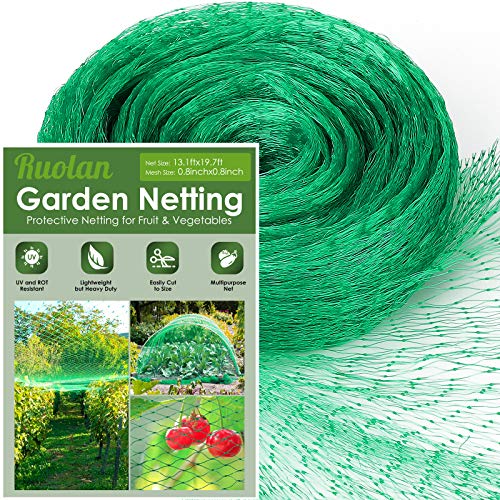
【Perfect size】(Garden Netting size 13ftX20ft, Mesh Size 0.8inchX0.8inch), Protect fruit tree plant blueberry strawberry from animals

【Perfect Size for Garden Protection】Avagiaforu bird netting for garden measures 13ft x 32ft with 0.8" x 0.8" mesh, providing wide coverage for beds, balconies, raised gardens and trees. This netting for garden protection allows sunlight, rain, airflow and pollinators to pass through while helping protect vegetables, plants and fruit trees for healthier growth and better harvests
Visual Deterrents
- Shiny Objects: Hang reflective materials like aluminum foil strips or old CDs in your trees. The light reflections scare birds away.
- Decoy Predators: Use plastic owls or hawks to create a natural predator presence. Move them around periodically to enhance effectiveness.
- Scare Tactics: Consider using scare balloons or kites shaped like birds of prey. Their movement and colors can frighten birds off.
Auditory Deterrents
- Noise-Making Devices: Install wind chimes or buy bird scare tape that makes noise. Sounds can startle birds and keep them at bay.
- Recorded Sounds: Play distress calls of birds via speakers. These sounds signal danger and typically discourage other birds from approaching.
- Alarms: Consider motion-activated alarms that emit sounds when birds approach. This can create an immediate deterrent effect.
- Netting: Install bird netting around your trees. This creates a physical barrier, preventing birds from reaching your fruit.
- Fencing: Build low fences around your garden area. This can be effective for larger birds like crows.
- Row Covers: Use lightweight fabric row covers over young trees. These protect fruit while allowing sunlight and water to penetrate.
By utilizing a combination of these methods, you can keep birds away from your fruit trees and safeguard your harvest effectively.
Best Practices For Bird Control
Implementing effective bird control methods requires a strategic approach. You can ensure your fruit trees thrive and produce healthy yields with a few key practices.
Recommended Products

WIND POWERED BIRD DETERRENT: A breeze spins the mirrored discs, creating flashes that help keep birds away; shifting light helps discourage pigeons, woodpeckers, swallows and crows from nesting, damaging buildings, pecking fruit or leaving droppings

Bird Scare Reflectors: Crafted from high-definition mirror materials, our bird repellent devices outdoor are safe for animals and serve a dual purpose by stopping birds from nesting on porches and hitting windows. It's an ideal solution for protecting gardens, patios,orchards,crops,pools,boats,cars, and other valuable assets from avian intrusion
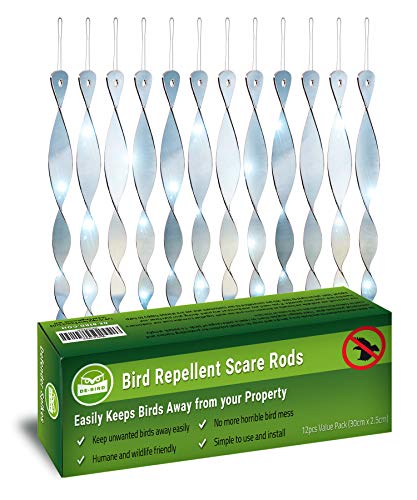
Durable Bird Protection: De-Bird's Bird Scare Rods offer a reliable solution for deterring birds from gardens and patios. These bird repellent devices outdoor utilize reflective surfaces to create a visual disturbance, effectively keeping birds away
Timing and Monitoring
Understanding bird activity patterns enhances your control efforts. Monitor your trees, especially during peak fruit ripening periods.
- Track bird visits during the day; many species feed in the morning and late afternoon.
- Observe when fruit becomes ripe; protect it at this crucial time.
- Adjust your strategies based on specific birds seen near your trees. For example, starlings may arrive earlier in spring compared to crows.
Maintenance of Deterrents
Regularly maintaining deterrents ensures effectiveness.
- Inspect visual deterrents like shiny objects or decoys—replace or reposition them if birds become accustomed.
- Clean noise-making devices; ensure they emit clear sounds to deter birds effectively.
- Check for wear on physical barriers such as netting and fencing; repair or replace as needed to maintain protection.
By implementing these practices, you enhance your chances of successfully keeping birds away from your fruit trees.
Environmental Considerations
Maintaining a balance between protecting your fruit trees and safeguarding local bird populations is essential. You can implement effective strategies to keep birds away without harming the environment or disrupting ecosystems.
Recommended Products

Bird Preventer: The Bird-X Balcony Gard is an ultrasonic bird preventer that generates soundwaves with an adjustable frequency range of 15 to 25 kHz that are nearly silent to humans but annoy and irritate birds, forcing them to seek calmer areas

SONIC BIRD DETERRENT: Bird B Gone’s Bird Chase Super Sonic is your simple solution to repelling birds from open outdoor areas like patios, decks, yards, and much more. This innovative device features audible bird distress calls and predator calls from over 24 species, broadcasting them for approximately two minutes every ten minutes to alert birds of danger—scaring them away.

【Upgraded Material】Our reflective mirror rods features a larger, crack-resistant mirror surface for enhanced reflection. Made of high-toughness ABS plastic with a durable, mirror-like coating, it’s both sturdy and long-lasting, and comes with an elastic rope for easy hanging
Balancing Bird Conservation and Orchard Health
Promoting biodiversity while protecting your harvest is vital. You can start by understanding which birds frequent your area. Some birds, like blue jays or chickadees, provide benefits such as pest control. Preserve their presence by creating a bird-friendly environment.
Use native plants in your garden. Native plants attract beneficial insects and provide natural food sources for birds. This approach reduces the need for deterrents, creating a win-win for both your garden and local wildlife.
Opt for humane deterrents, such as reflective objects or sound devices, which scare birds without causing harm. Avoid harmful chemicals and traps that could indiscriminately affect other wildlife. If you notice certain birds developing a habit of visiting your trees, assess their impact before taking action. Sometimes, limited bird activity can coexist with your fruit production.
Engage in monitoring efforts to gauge the health of your fruit trees and bird populations. Track fruit yields and bird interactions throughout the growing season. Adjust your strategies accordingly, ensuring they’re both effective and environmentally friendly. By taking thoughtful steps, you can enjoy a fruitful harvest while contributing to the well-being of your local ecosystem.
Conclusion
Protecting your fruit trees from birds doesn’t have to be a daunting task. By understanding the types of birds in your area and their habits you can tailor your approach to keep them at bay. Using a mix of visual and auditory deterrents along with physical barriers can make a big difference in safeguarding your harvest.
Remember to regularly check and maintain your deterrents to ensure they remain effective. It’s also important to strike a balance between protecting your crops and supporting local bird populations. With a little effort and creativity you can enjoy a bountiful harvest while fostering a healthy ecosystem around your garden. Happy gardening!
Frequently Asked Questions
What birds typically invade fruit trees?
Many gardeners face issues with birds like starlings, sparrows, crows, and robins damaging their fruit trees. These birds can significantly impact crop yields, leading to frustrating losses during harvest time.
How much fruit can a single bird consume?
A single bird can consume up to 1.5 pounds of fruit annually. When they gather in flocks, the losses can escalate dramatically, making bird control crucial for maintaining healthy fruit production.
What are some effective bird deterrent methods?
Effective bird deterrent methods include visual options like shiny objects and decoy predators, auditory devices like noise-makers and distress calls, as well as physical barriers such as bird netting and fencing.
Why is timing important in bird control?
Timing is critical because it helps gardeners monitor bird activity, especially during peak ripening periods. By understanding when birds visit, gardeners can implement strategies to protect their crops effectively.
How can I balance bird conservation with protecting my harvest?
To balance bird conservation and orchard health, gardeners should understand local bird populations. Using native plants can attract beneficial insects and provide natural food sources, reducing the need for deterrents.
Are there humane ways to keep birds away from fruit trees?
Yes, there are humane methods to deter birds, such as using visual and auditory deterrents instead of harmful chemicals or traps. These strategies can effectively protect crops while preserving the local ecosystem.
What should I do to maintain my bird deterrents?
Regular maintenance of deterrents is essential. Inspect visual deterrents, clean noise-making devices, and check physical barriers for wear to ensure their effectiveness in protecting your fruit trees.
How can I monitor bird interactions in my garden?
Gardeners can monitor bird interactions by tracking visits to their fruit trees and noting peak activity times. This allows for adjustments to strategies and helps ensure effective bird control throughout the growing season.
