

Have you ever wondered how long it takes for bare root fruit trees to start bearing fruit? You’re not alone. Many new gardeners face this question, eager to enjoy the sweet rewards of their hard work. Planting bare root trees can be a fantastic way to kickstart your home orchard, but understanding their growth timeline is key.
In this article, you’ll learn what to expect as your trees grow and thrive. We’ll cover the factors that influence their development and offer tips to help you nurture them along the way. By the end, you’ll feel confident about your fruit tree journey and know when to expect that first delicious harvest.
Key Takeaways
- Growth Duration: Bare root fruit trees typically take about 3 to 5 years to bear fruit, with variations based on tree variety, climate, and care practices.
- Tree Variety Matters: Different varieties grow and produce fruit at distinct rates; dwarf trees often fruit sooner than standard-sized ones.
- Soil and Care Importance: High-quality, well-draining soil and consistent care, including watering, mulching, and fertilizing, greatly enhance growth potential.
- Pest and Disease Management: Regular monitoring for pests and diseases is crucial. Early detection aids in effective management and overall tree health.
- Seasonal Care Adaptations: Adjust care practices to seasonal changes—focus on watering in spring, retaining moisture in summer, pruning in fall, and protecting trees in winter.
- Patience is Key: The first fruits may not be abundant or perfect; nurturing the tree for long-term success is essential for a fruitful harvest.
Understanding Bare Root Fruit Trees
Bare root fruit trees are essential for any gardener wanting a fruitful harvest. These trees arrive without soil around their roots, making them lightweight and easy to handle. However, they require a unique approach to foster healthy growth.
Recommended Products

Let our professionally formulated plant food help your fruit tree grow healthy, strong AND abundantly producing

Let our professionally formulated plant food help your fruit tree grow healthy, strong AND abundantly producing
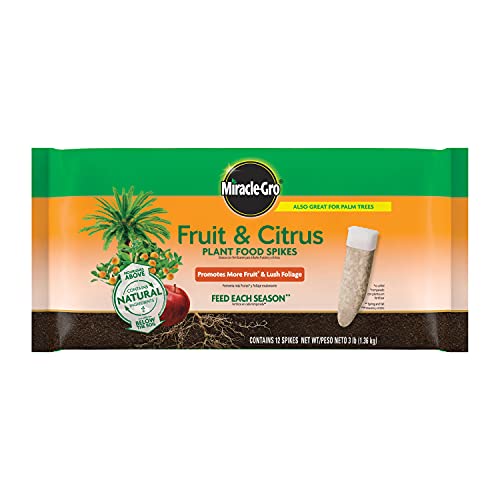
FORMULATED FOR CITRUS AND FRUIT TREES: Use these citrus fertilizer spikes on apple, orange, lemon, lime, and avocado trees; this formula is also great for feeding palm trees
Growth Timeline
Expect a bare root fruit tree to take about three to five years before it begins to bear fruit. This timeframe depends on factors like tree variety, climate, and care. For example, some apple trees might start producing fruit in year three, while others, like cherries, might take a bit longer.
Factors Influencing Growth
- Tree Variety: Different species have distinct growth rates. Dwarf varieties may mature quicker compared to standard-sized trees.
- Climate Conditions: A warmer climate can accelerate growth. Ensure your tree receives adequate sunlight and water for optimal development.
- Soil Quality: Well-draining, nutrient-rich soil supports faster root establishment. Use compost or organic matter to enhance soil quality.
- Care Routine: Regular watering, mulching, and pruning can promote growth. Aim for consistent care during the first few years.
Preparing Your Trees for Growth
- Planting: Place the tree in a hole deep enough for the roots. Spread them out gently to avoid crowding.
- Watering: Keep the soil moist but not soggy, especially in the first growing season.
- Mulching: Apply mulch around the base to retain moisture and suppress weeds.
- Fertilizing: Use a balanced fertilizer in early spring to boost growth.
Anticipating Your First Harvest
As your tree matures, watch for signs of blossoming, which indicates it’s nearing fruit production. Be patient and remember, the first few fruits may not be abundant or perfect. Focus on nurturing the tree for long-term success.
By understanding these details, you’re better equipped to support the growth of your bare root fruit trees and look forward to a bountiful harvest.
Growth Timeline for Bare Root Fruit Trees
Bare root fruit trees typically take about three to five years before bearing fruit. This timeline varies based on several factors, including type of tree and care practices.
Factors Affecting Growth Rate
- Tree Variety: Different fruit tree varieties mature at varying rates. For example, dwarf fruit trees often yield fruit sooner than standard-sized trees.
- Climate Conditions: Warmer climates promote faster growth. Trees in colder regions may take longer to establish.
- Soil Quality: Well-draining, nutrient-rich soil boosts growth. Testing soil health can identify necessary amendments for optimal development.
- Care Practices: Proper planting, consistent watering, and regular mulching contribute to a tree’s growth rate. Attention to fertilization schedules also plays a crucial role.
Comparison with Potted Trees
Potted fruit trees typically show quicker growth compared to bare root varieties. While bare root trees focus on establishing roots in the first year, potted trees benefit from already developed root systems. However, bare root trees often adjust better over time because they start in a more natural, less restricted environment, allowing for healthier long-term growth. Consider your gardening goals and space when choosing between the two options.
Care Tips for Successful Growth
Caring for bare root fruit trees involves consistent attention and proper techniques to ensure faster growth and successful fruit-bearing. Here are some essential tips.
Watering and Nutrition
- Watering: Water your bare root fruit trees thoroughly right after planting. Aim for deep watering about once a week, increasing frequency during hot, dry spells. Young trees need moisture to establish their root systems.
- Fertilization: Use a balanced fertilizer with a ratio like 10-10-10 or 5-10-5 in early spring. Focus on organic options, such as compost or well-rotted manure, to enhance soil quality. Apply according to package instructions to avoid over-fertilization.
- Mulching: Spread a 3-inch layer of mulch around the base of the tree, keeping it a few inches away from the trunk. Mulch helps retain soil moisture, suppress weeds, and regulate soil temperature.
- Initial Pruning: Trim your bare root trees during their first year. Remove any dead or damaged branches, ensuring good airflow and sunlight penetration.
- Ongoing Pruning: Annually prune in late winter or early spring before new growth begins. Aim for an open center and maintain a balanced shape. This practice encourages stronger branch growth and increases fruit yield.
- Observation: Watch for pests and diseases. Inspect the leaves and bark regularly. If you notice any issues, address them immediately with appropriate treatments, such as insecticidal soap or fungicides.
By following these care tips, you promote healthy growth and maximize your chances of enjoying a fruitful harvest in a few years.
Common Challenges and Solutions
Bare root fruit trees face several challenges as they grow. Understanding these challenges and their solutions helps you cultivate a thriving garden.
Pest and Disease Management
Pests and diseases can hinder the growth of bare root fruit trees. Common pests include aphids, spider mites, and fruit tree borers. Diseases such as powdery mildew and root rot also pose risks.
- Monitor Regularly: Inspect leaves and stems for any signs of pests or disease. Early detection makes treatment easier.
- Use Insecticidal Soap: Apply insecticidal soap to manage pests organically. Spray it directly on infested areas to eliminate unwanted insects.
- Establish Healthy Soil: Healthy soil promotes strong trees. Use compost or well-rotted manure to improve nutrient content and drainage.
- Implement Crop Rotation: Rotate plant locations each season. This disrupts pest and disease cycles, reducing populations.
Seasonal Adaptations
Seasonal changes impact bare root fruit trees’ growth and development. Adapt your care practices to suit each season’s conditions.
- Spring: Focus on watering as trees break dormancy. Provide consistent moisture to encourage new growth.
- Summer: Mulch around the base of trees. This retains moisture, cools roots, and suppresses weeds.
- Fall: Prepare trees for winter by pruning. Remove any dead or overcrowded branches to improve air circulation, helping to prevent disease.
- Winter: Protect trees from harsh conditions. Use tree wraps or burlap to shield young trunks from cold winter winds.
These strategies address common challenges and enhance the growth of your bare root fruit trees, setting you up for a successful harvest in the coming years.
Conclusion
Growing bare root fruit trees is a rewarding journey that requires patience and care. While you might have to wait three to five years for that first delicious harvest it’s all about nurturing your trees along the way.
By providing the right conditions and attention your trees will thrive and eventually reward you with bountiful fruit. Remember to keep an eye on their growth and adapt your care practices as needed.
With a little love and dedication you’ll be enjoying the fruits of your labor in no time. Happy gardening!
Frequently Asked Questions
How long do bare root fruit trees take to bear fruit?
Bare root fruit trees typically take about three to five years to start bearing fruit. The exact time can vary based on the tree variety, climate conditions, soil quality, and care provided.
What factors influence fruit tree growth?
Factors that influence fruit tree growth include the specific variety of the tree, local climate conditions, soil quality (drainage and nutrients), and the care routines implemented, such as watering and fertilization.
Do dwarf fruit trees bear fruit faster than standard trees?
Yes, dwarf fruit trees usually bear fruit sooner than standard-sized trees. Their smaller size allows for quicker maturation, typically resulting in earlier fruit production.
How does soil quality affect fruit tree growth?
Well-draining, nutrient-rich soil is crucial for the healthy growth of fruit trees. Good soil conditions promote faster growth and improve fruit yield, making soil quality an essential factor.
What are the differences between bare root and potted fruit trees?
Potted fruit trees often show quicker growth due to developed root systems. However, bare root trees may adapt better in the long term because they start in a more natural environment.
What are some essential care tips for fruit trees?
Essential care tips include thorough watering after planting, applying balanced fertilizers in early spring, and using mulch to conserve moisture. Regular pruning and monitoring for pests and diseases are equally important.
How can I manage pests and diseases on my fruit trees?
Management involves regular monitoring for any signs of infestations, using organic pest control methods like insecticidal soap, and enhancing soil health through compost to foster strong trees.
What seasonal care practices should I follow for fruit trees?
Seasonal care practices include fertilizing in early spring, watering consistently during dry spells, mulching in summer to retain moisture, and winter protection strategies to safeguard roots from freezing temperatures.
