

Are you wondering how much water your raspberry plants really need to thrive? Picture this: you’ve just planted a row of vibrant raspberry bushes in your garden, and now you’re faced with the age-old question – do raspberries require a lot of water to flourish? Understanding the watering needs of your raspberries is key to ensuring a bountiful harvest and healthy growth.
Key Takeaways
- Raspberry plants thrive in well-drained soil that is consistently moist but not waterlogged, requiring about 1-2 inches of water per week.
- Signs of overwatering (yellowing leaves, wilting) and underwatering (drooping leaves, slow growth) should be monitored to adjust watering routines accordingly.
- Optimal watering practices include watering in the morning, using drip irrigation or soaker hoses for efficient watering directly to the roots, and mulching to retain moisture.
- Soil types (sandy vs. clay) and climate conditions (hot/arid vs. cool/humid) play a crucial role in determining raspberry plants’ water requirements.
- Common mistakes to avoid include overwatering leading to root rot, underwatering causing stress to plants, and not adjusting watering based on plant health and environmental factors.
Understanding Raspberry Water Requirements
Raspberry plants have specific water requirements crucial for their growth and fruit production. Here’s a breakdown of how to ensure your raspberry bushes get the right amount of water:
Recommended Products

Automatic Drip Irrigation System Kit: The universal connector adapts to different tubing sizes with a secure, leak-free fit; the dual-channel connector splits a single line into two separate watering paths for multi-zone irrigation. The garden bed watering system includes 100FT 1/4" Water Pipe, Cable Ties x 24, Universal Connector x 1, Dual Channel Connector x 1, Quick Tees x 24, Sealing Tape x 1, Fixing Clips x 24, End Plus x 4, and Brass Nozzles x 24. Simply unbox and start building automatic misting system.
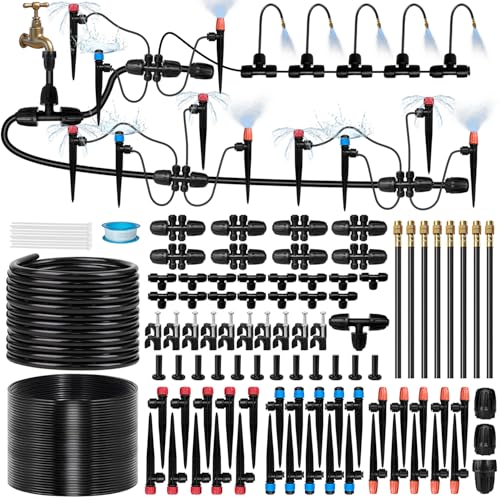
【Upgraded Tube Design & Water Saving】 Our garden watering system is upgraded to 1/2” diameter to support high water pressure. The 1/2” tee connector allows seamless splitting into 2 independent zones for customized watering schedules. By delivering moisture directly to root zones, this drip Irrigation system significantly reduces evaporation and runoff—saving more water compared to conventional sprinklers while eliminating the need for manual watering.
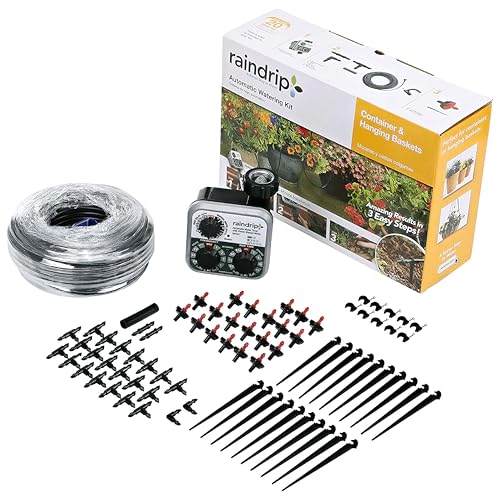
Save Time and Effort: This Raindrip drip irrigation kit includes everything you need to create a drip watering system for potted plants and precisely water up to twenty plants, saving time and effort while keeping your garden healthy
Analyzing Raspberry Plant Water Needs
Raspberries thrive in well-drained soil that is consistently moist but not waterlogged. During the growing season, it’s essential to monitor the moisture levels in the soil around your raspberry plants. A general rule of thumb is to provide about 1-2 inches (2.5-5 cm) of water per week, including rainfall.
To determine if your raspberries need watering, you can perform a simple soil moisture test. Insert your finger into the soil near the plants; if it feels dry to a depth of about 1 inch (2.5 cm), it’s time to water. Remember that young raspberry plants may need more frequent watering compared to established ones.
Signs of Overwatering and Underwatering
Overwatering can be as harmful as underwatering for raspberry plants. Signs of overwatering include yellowing leaves, wilting despite wet soil, or mold growth on the plant or soil surface. On the other hand, underwatered raspberries may display symptoms like drooping leaves, slow growth, or dry and shriveled fruits.
Monitoring your raspberry bushes regularly for these signs can help you adjust your watering routine accordingly. It’s important to strike a balance and provide adequate moisture without drowning the roots or causing stress to the plants.
By understanding and meeting the specific water needs of your raspberry plants, you’ll set them up for healthy development and a fruitful harvest in your garden.
Optimal Watering Practices for Raspberries
To ensure your raspberry plants thrive, it’s crucial to follow optimal watering practices. Here’s how you can best water your raspberry bushes:
Recommended Products
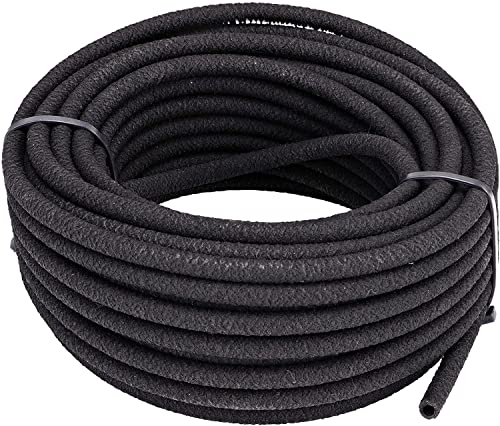
Slowly waters the soil around your plants for complete root zone hydration; Ideal for short runs on flat surfaces, such as vegetable gardens, borders, and around small plants

【Even & Consistent Root Watering】Features micro-pore seepage technology that distributes water evenly along the entire hose, transforming spot watering into uniform line watering directly to plant roots. Unlike traditional drip irrigation systems with clog-prone emitters, this soaker hose creates a continuous moisture band for healthier, deeper-rooted plants

Targeted Root Irrigation: Water gently seeps out from the hose to evenly water the root zone, keeping surrounding soil consistently moist. Reduce runoff and nutrient loss while protecting delicate plants and young fruits
Best Times to Water Raspberry Plants
Water your raspberry plants early in the morning to allow foliage to dry during the day, reducing the risk of diseases. Avoid watering in the evening as wet leaves overnight can promote fungal issues. Consistent watering is key; aim for deep, infrequent waterings rather than frequent shallow ones.
Techniques for Efficient Watering
Consider drip irrigation or soaker hoses to deliver water directly to the roots, minimizing evaporation and ensuring efficient uptake by the plants. Mulching around raspberry bushes can help retain soil moisture and reduce weed competition. Regularly check soil moisture levels by feeling the top few inches of soil; if it’s dry, it’s time to water.
By following these optimal watering practices and adjusting them based on your raspberry plants’ needs, you’ll support their healthy development and enjoy a fruitful harvest from your garden.
The Impact of Soil and Climate
When considering the watering needs of raspberry plants, it’s essential to understand how soil types and climate influence water retention and irrigation practices. Here’s how these factors play a crucial role in ensuring your raspberry bushes receive the right amount of water.
Soil Types and Water Retention
Different soil types have varying capacities for retaining moisture, which directly affects how much water raspberries require. Sandy soils drain quickly, necessitating more frequent watering to maintain optimal moisture levels for raspberry plants. On the other hand, clay soils retain water well but can lead to waterlogging if drainage is inadequate, potentially harming raspberry roots.
To optimize water retention for raspberries, consider amending your soil with organic matter like compost or peat moss to improve its ability to hold moisture. This can help create a balanced environment where raspberries can access sufficient water without becoming oversaturated.
Climate Considerations for Raspberry Irrigation
The climate in which you grow your raspberries significantly impacts their water requirements. In hot and arid climates, raspberry plants may need more frequent watering to combat evaporation and ensure they stay hydrated. Conversely, in cooler or more humid environments, you might be able to space out watering sessions due to lower evaporation rates.
Understanding your local climate patterns can help you tailor your irrigation schedule effectively. Monitoring weather forecasts and adjusting your watering routine based on temperature fluctuations can prevent both underwatering and overwatering issues that could compromise the health of your raspberry bushes.
By considering the interplay between soil composition and climate conditions when determining your raspberry plants’ watering needs, you’ll be better equipped to provide them with the ideal growing environment for robust growth and abundant fruit production.
Common Mistakes in Watering Raspberries
When caring for your raspberry plants, it’s crucial to avoid common mistakes that can impact their health and productivity. Here are some key pitfalls to watch out for:
Recommended Products

【High Quality】Our Drip Irrigation Emitters are made of durable plastic. Rugged nylon construction helps keep the project placed and lasting performance for longer life in any weather.

✔Comprehensive Drip Irrigation Kit:MIXC drip irrigation system, equipped with a versatile range of components, caters to all your garden watering needs.Includes essential parts such as 197ft 1/4'' irrigation tube, 33ft 1/2'' irrigation tube, 1/2‘’ Lock Barbed Tee connectors, drip emitter streams, vortex emitters, Blue Mist Nozzles, Quick connection tees, Faucet Connector, and more.

NO MORE HARD INSTALLATION - SET UP IN MINUTES. Tired of struggling with stiff barbed fittings? This drip irrigation system features quick-connect fittings that let you push, lock, and secure tubing effortlessly. No tools, no leaks, just a smooth setup experience. Enjoy a frustration-free installation and get your garden watering system running in minutes.
Avoiding Water Stress
To ensure your raspberries thrive, you must strike a balance in watering them. One common mistake is overwatering, which can lead to root rot and other issues. On the other hand, underwatering can cause stress to the plants, affecting fruit development and overall growth. Monitor soil moisture levels regularly to prevent water stress.
Balancing Water Input with Plant Health
Another mistake many gardeners make is not considering the overall health of the raspberry plants when watering. It’s essential to adjust your watering schedule based on plant needs, weather conditions, and soil type. Remember that healthy plants with robust root systems are better equipped to withstand variations in watering frequency. Prioritize plant health when determining your watering routine.
By being mindful of these common mistakes and adjusting your watering practices accordingly, you’ll help your raspberry plants flourish and yield bountiful harvests.
Conclusion
Ensuring your raspberry plants receive adequate water is key to their growth and fruit production. Understanding your soil type and climate helps you tailor your watering practices effectively. Sandy soils may need more frequent watering, while clay soils can risk waterlogging. Adding organic matter to the soil improves water retention. Remember, hot climates demand more water for raspberries. Avoid common watering mistakes like overwatering and underwatering, as these can harm plant health. By adjusting your watering schedule based on plant needs, weather conditions, and soil type, you’ll promote healthy root systems that can withstand varying moisture levels. With proper care and attention to watering, your raspberry plants will flourish and reward you with bountiful fruit harvests!
Frequently Asked Questions
What are the key factors to consider when watering raspberry plants?
To ensure optimal growth and fruit production, it’s essential to consider soil type and climate for watering raspberry plants. Different soil types impact water retention, with sandy soils requiring more frequent watering and clay soils risking waterlogging. Climate conditions also play a crucial role in determining watering frequency, with hot climates necessitating more water.
How can amending soil with organic matter benefit raspberry plants’ watering needs?
Amending soil with organic matter can enhance water retention, especially in sandy soils that tend to drain quickly. Organic matter improves soil structure by increasing its ability to retain moisture, promoting healthier root growth for raspberry plants.
What are some common mistakes to avoid when watering raspberries?
Two common mistakes in watering raspberries are overwatering, which can lead to root rot, and underwatering, causing stress on the plants. It’s crucial to find a balance between providing enough water for plant health without saturating the roots or depriving them of essential moisture.
Why is it important to adjust watering schedules based on plant needs and environmental factors?
Adapting watering schedules according to plant requirements, weather conditions, and soil type is vital for maintaining the health of raspberry plants. By monitoring these factors regularly and making adjustments as needed, you can help prevent issues like root rot or drought stress while promoting robust growth and abundant fruit production.
