

Managing olive trees in pots in Florida’s high humidity requires specific strategies to ensure healthy growth and fruit production. Proper care includes selecting the right pot, watering techniques, and pest management to combat the challenges posed by the climate.
Selecting Ideal Pots for Olive Trees
Selecting an appropriate pot is essential for the health of your olive trees. The pot should be large enough to accommodate root growth while providing adequate drainage. A terracotta pot is often preferred due to its breathability, which helps prevent root rot.
Optimal Pot Sizes for Florida Olive Trees
Choosing the right pot size is crucial for the health and growth of olive trees in Florida’s humid climate. The optimal pot size can significantly influence drainage, root development, and overall tree vitality. Understanding these dimensions will help ensure your olive trees thrive despite the challenges posed by the local environment.
Small Trees: 10-15 gallons
Medium Trees: 20-25 gallons
Large Trees: 30 gallons or more
| Pot Size | Ideal Tree Height | Drainage Needs |
|---|---|---|
| 10-15 gallons | Up to 3 feet | High |
| 20-25 gallons | 3-6 feet | Very High |
| 30 gallons | Over 6 feet | Critical |
Watering Strategies for Potted Olive Trees
Successfully growing potted olive trees in Florida’s humid climate requires careful attention to watering practices. Understanding the unique needs of these trees in high humidity can help prevent issues such as root rot while ensuring healthy growth. This section explores effective watering strategies tailored specifically for maintaining potted olive trees in Florida’s challenging environment.
High humidity can lead to overwatering, which is detrimental to olive trees. Understanding the watering needs during different seasons is crucial. In summer, trees may require more frequent watering, while in cooler months, reduce the frequency.
Summer Watering Schedule for Potted Olive Trees
Managing potted olive trees in Florida’s humid summer requires a careful watering schedule to ensure their health and productivity. The unique climate can challenge even seasoned gardeners, making it essential to understand the specific needs of these trees during the hottest months. This section outlines effective strategies for maintaining optimal moisture levels in your potted olive trees throughout the summer.
Summer: Water every 3-4 days
Fall: Water every 7-10 days
Winter: Water every 10-14 days
Overwatering Indicators in Potted Olive Trees
Overwatering is a common issue for potted olive trees, especially in Florida’s humid climate. Recognizing the signs of excess moisture is crucial for maintaining the health of these trees. Understanding these indicators will help ensure your olive trees thrive in their containers despite the challenges posed by high humidity.
Yellowing leaves
Wilting despite moist soil
Root rot
Pest Control Techniques for Olive Trees
Managing olive trees in pots in Florida requires vigilance against pests, especially in high humidity conditions. Effective pest control techniques are essential to ensure the health and productivity of these trees. Understanding the specific challenges posed by Florida’s climate can help growers implement strategies that protect their olive trees from common threats.
Humidity creates a favorable environment for pests. Regular inspections and preventive measures can help maintain the health of your olive trees. Common pests include aphids, spider mites, and scale insects.
Recommended Products

READY-TO-USE CONTACT SPRAY: No mixing required. Thoroughly spray insecticide on all plant parts, including the underside of leaves. Pests must be sprayed directly to achieve control
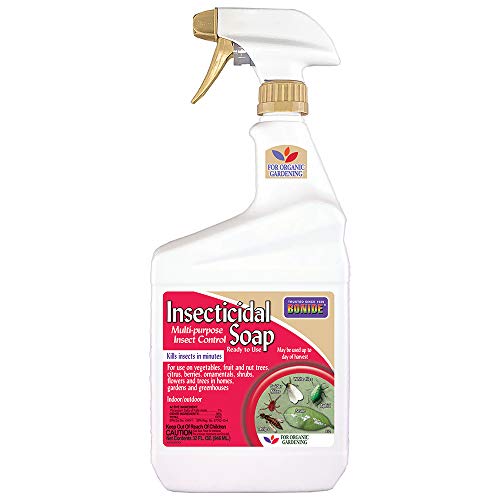
Captain Jack's Insecticidal Super Soap controls species of adelgid, ant, aphid, borer, caterpillar, spider mite, cricket, chinch bug, weevil, fly, thrip, and more

PEST DEFENSE - Insecticidal Super Soap controls species of adelgid, ant, aphid, borer, caterpillar, spider mite, cricket, chinch bug, weevil, fly, thrip, & more.
Pest Management Strategies for Potted Olives
Managing pests is crucial for the health of potted olive trees in Florida’s humid climate. This section outlines effective strategies to prevent and control common pests that can threaten your olive plants, ensuring they thrive despite the challenges posed by high humidity and local insect populations. Understanding these methods will help maintain the vitality of your potted olives.
Insecticidal soap: Apply every 7-10 days
Neem oil: Use as a preventive measure
Companion planting: Introduce beneficial insects
| Pest Type | Symptoms | Control Method |
|---|---|---|
| Aphids | Curling leaves | Insecticidal soap |
| Spider Mites | Webbing on leaves | Neem oil |
| Scale Insects | Sticky residue | Manual removal |
Fertilization Techniques for Humid Conditions
Fertilizing olive trees in pots in Florida’s humid climate requires a tailored approach to ensure optimal growth and fruit production. Understanding the specific nutrient needs and timing can significantly impact the health of your trees. This section explores effective fertilization techniques that accommodate the challenges posed by high humidity.
Fertilization is key to ensuring that olive trees thrive in humid conditions. Use a balanced fertilizer to promote healthy foliage and fruit production. Timing and application methods are critical for effectiveness.
Fertilizer Timing for Potted Olive Trees
Proper fertilization is crucial for the health of potted olive trees, especially in Florida’s humid climate. Understanding the timing of fertilizer application can significantly impact growth and fruit production. This section explores the best practices for fertilizing olive trees in pots to ensure they thrive in challenging conditions.
Spring: Apply a slow-release fertilizer
Summer: Use a liquid fertilizer every 4-6 weeks
Fall: Light feeding to prepare for winter
Fertilizer Choices for Potted Olive Trees
Choosing the right fertilizer is essential for the health and growth of potted olive trees in Florida’s humid climate. The right nutrients can help these trees thrive, ensuring they produce fruit and maintain their vibrant foliage. Understanding the specific fertilizer options available will guide you in making the best choice for your olive trees.
Organic options: Fish emulsion, bone meal
Synthetic options: 10-10-10 NPK
Pruning Techniques for Healthy Olive Trees
Pruning is essential for maintaining the health and productivity of olive trees, especially in Florida’s humid climate. Proper techniques can help manage growth, improve air circulation, and enhance fruit quality. Understanding the best practices for pruning will ensure your potted olive trees thrive in the challenging conditions of the region.
Pruning is essential for maintaining the shape and health of olive trees. Proper pruning improves airflow, reducing the risk of fungal diseases common in humid conditions.
Pruning Olive Trees for Humidity Control
Pruning olive trees is essential for maintaining their health and productivity, especially in Florida’s high humidity. Proper pruning techniques can help improve air circulation, reduce disease risk, and encourage robust growth. Understanding the best practices for trimming these trees will ensure they thrive in a challenging climate.
Remove dead or diseased branches: Do this in late winter
Thin out crowded areas: Allow light penetration
Shape the tree: Maintain a balanced structure
Essential Hand Pruners for Olive Trees
When cultivating olive trees in pots, especially in Florida’s humid climate, selecting the right hand pruners is crucial for maintaining their health and shape. The following section highlights essential hand pruners that can effectively manage growth and ensure your olive trees thrive despite the challenges posed by high humidity.
Hand pruners: For small branches
Loppers: For thicker branches
Saw: For larger limbs
Soil Moisture Management for Olive Trees
Managing soil moisture is crucial for the health of olive trees in Florida’s humid climate. Proper moisture levels not only support growth but also prevent root rot and other issues associated with excessive water. Understanding how to balance irrigation and drainage can significantly enhance the success of growing olive trees in pots.
Soil health plays a significant role in the growth of olive trees. High humidity can lead to compacted soil, affecting drainage and root health. Regularly check soil moisture levels and amend as necessary.
Optimal Soil pH for Potted Olive Trees
Understanding the optimal soil pH for potted olive trees is crucial for successful cultivation in Florida’s humid climate. This section delves into the specific pH range that promotes healthy growth and fruit production, ensuring that your olive trees thrive despite the challenges posed by high humidity. Proper soil management can significantly enhance the overall health of your plants.
pH Level: Ideal range is 6.0-8.0
Nutrient Levels: Test for nitrogen, phosphorus, potassium
| Soil Condition | Recommended Action |
|---|---|
| Compacted | Aerate the soil |
| Low pH | Add lime |
| Nutrient Deficient | Fertilize accordingly |
Olive Tree Care in Humid Climates
Caring for olive trees in Florida’s humid climate requires a nuanced approach to ensure their health and productivity. Understanding the unique challenges posed by high humidity is essential for successful cultivation. This section delves into effective strategies and best practices for maintaining olive trees in such conditions, helping gardeners thrive in their efforts.
Consistent monitoring and adjustments are essential for thriving olive trees in Florida’s humid climate. Pay attention to watering, pest control, and soil conditions to ensure successful cultivation.
