

Have you ever wondered when your plum tree will finally reward you with delicious fruit? If you’ve planted one or are thinking about it, you’re not alone. Many gardeners eagerly anticipate the first harvest, but the wait can be frustrating.
Understanding how long it takes for a plum tree to bear fruit can help you set realistic expectations. In this article, you’ll learn about the factors that influence fruiting time and tips to encourage your tree to produce sooner. Whether you’re a seasoned gardener or a beginner, you’ll find valuable insights to help you enjoy the sweet rewards of your hard work.
Key Takeaways
- Timeframe for Fruit Bearing: Most plum trees begin to bear fruit between 2 and 6 years after planting, with Japanese varieties typically producing fruit sooner than European varieties.
- Types of Plum Trees: Different plum tree types affect fruit yield time; for instance, Methley plums can bear fruit in as little as 2 years, while European varieties typically take 4 to 6 years.
- Optimal Growing Conditions: Ensuring full sun, well-drained soil, consistent moisture, and proper fertilization can significantly enhance the chances of earlier fruit production.
- Pollination Importance: Many plum varieties require cross-pollination for successful fruit set, so planting compatible varieties nearby can increase yields.
- Care and Maintenance: Regular pruning, monitoring soil moisture, and managing pests are essential practices that contribute to healthier trees and better fruit production.
- Realistic Expectations: Understanding the influences on fruit-bearing timelines, such as tree age and environmental factors, can help set realistic expectations for your plum tree’s harvest.
Understanding Plum Trees
Plum trees require specific conditions and characteristics to thrive and produce fruit. Knowing the types of plum trees and their growing conditions can significantly impact the timeline for fruit-bearing.
Types of Plum Trees
You can find many varieties of plum trees, each with unique attributes. Here are some common types:
- European Plum: Produces sweet, juicy fruits; typically bears fruit in 3 to 6 years.
- Japanese Plum: Known for its vibrant colors and flavorful taste; fruits in 3 to 5 years.
- Wild Plum: Smaller fruit with a tart flavor; may take 4 to 6 years.
- Methley Plum: A popular early-bearer with sweet, red fruits; fruits in about 2 to 3 years.
Choosing the right type influences not just the fruiting timeframe but also flavor and size.
Growing Conditions
Optimal growing conditions enhance the chances of quicker fruit production. Consider these aspects:
- Sunlight: Ensure your plum tree receives full sun for at least 6 hours daily. This exposure promotes healthy growth.
- Soil Quality: Well-drained, loamy soil supports root development. Aim for a pH between 6.0 and 7.0 for best results.
- Watering: Maintain consistent moisture, especially during dry spells. Avoid overwatering to prevent root rot.
- Fertilization: Use fertilizers with balanced nutrients to encourage growth and fruiting. Apply in early spring before growth starts.
Taking these growing conditions into account can shorten the wait for your plum tree to bear fruit.
Factors Affecting Fruit Bearing
Several factors play a crucial role in how quickly your plum tree bears fruit. Understanding these can help you cultivate your tree for optimal production.
Recommended Products

These plants are ready to be planted directly in the ground on arrival and should not be planted in a container. All pictures are of fully grown plants. Deciduous plants do not have leaves in the winter.

Realistic Fall Tree Decor: This 2 pack of 3 ft plum artificial cimicifuga fall trees adds a warm seasonal look to fall porch decor, entryways, dining rooms, offices, and Thanksgiving displays.

Bare root, dormant in winter, each plant is about 3-4 ft tall
Age of the Tree
Age significantly influences when plum trees start bearing fruit. Generally, European plums take about 4 to 6 years to mature. Japanese plums typically fruit within 3 to 5 years. Younger trees often reach maturity faster than older ones. However, this can vary based on variety and growing conditions.
Pollination Requirements
Pollination impacts fruit production in plum trees. Most plum varieties require a pollinator for successful fruit set. If you select a self-pollinating variety, it may still benefit from nearby pollinating trees. Planting compatible varieties within 50 feet enhances cross-pollination and increases fruit yield. Observing blossoms and fruit sets in the first spring can help assess pollination success.
Average Time to Fruit Bearing
The time it takes for a plum tree to bear fruit varies depending on several factors. Understanding these timeframes helps set realistic expectations.
Standard Timeframes
Most plum trees start producing fruit between 2 and 6 years after planting. Generally, Japanese plum varieties mature sooner, taking about 3 to 5 years. European plums take a bit longer, typically 4 to 6 years. Wild plums often yield fruit in approximately 4 years. Planting a grafted tree can decrease the waiting time since grafted trees may already be a few years old when purchased.
| Type of Plum | Average Years to Fruit |
|---|---|
| Japanese | 3 – 5 |
| European | 4 – 6 |
| Wild | 4 |
| Methley | 2 – 4 |
Variations Among Different Types
Different types of plum trees yield varying timelines for fruit bearing. Japanese plums, such as ‘Santa Rosa’ and ‘Shiro,’ tend to fruit faster than European varieties like ‘Stanley’ and ‘Damson.’ Additionally, hybrid varieties, like ‘Methley,’ can produce fruit as early as 2 years. Factors like climate, soil quality, and tree care play essential roles in these variations.
Pollination affects fruit production timing as well. Some varieties, like European plums, require pollinators nearby to set fruit. When planting, consider pairing compatible varieties to enhance both pollination and fruit yield.
Knowing the timeframes and variations can help you better prepare for the fruit-bearing journey of your plum trees. By following proper care techniques, you can improve the chances of faster fruit production.
Care Tips for Plum Trees
Caring for your plum trees ensures they thrive and produce fruit more quickly. Focus on their soil, watering, and maintenance to maximize your chances of a fruitful harvest.
Recommended Products

Accurate Soil Moisture Detection: The XLUX Soil Moisture Meter can tell you if the soil deep inside your pot or garden is dry, moist or wet; whereas your eyes and fingers can only determine the moisture level of the soil surface. The probe is 5.5 inches (14 cm) longer than regular styles, allowing it to measure the soil moisture at the bottom of larger and deeper flower pots.
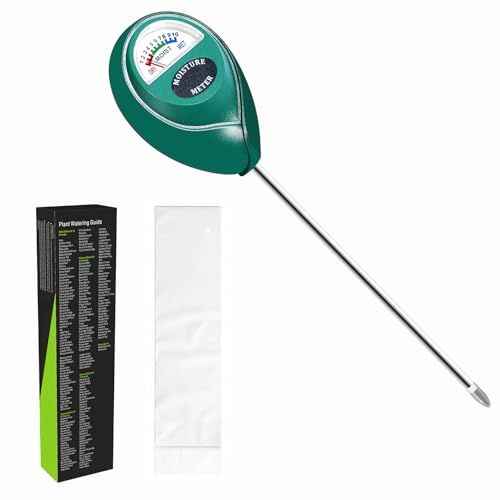
Trusted Since 2015: Become one of the many plant lovers who rely on the proven accuracy of XLUX. Established in 2015, our soil moisture meter has earned over 60,000+ verified ratings for its consistent performance. While many many newer brands come and go, we provide the long-term reliability and quality that American households have trusted for over a decade.

Soil Moisture Meter: This single probe soil moisture meter is specially designed for testing the moisture level in the soil, helps you decide whether the plants need water or not, helps to keep plants alive.
Soil and Watering Needs
Plum trees thrive in well-draining, loamy soil with a pH between 6.0 and 7.0. Monitor soil moisture, ensuring it remains consistently damp but not soggy. Water deeply once a week during dry spells, adjusting frequency in wetter months. Consider mulching around the base to retain moisture and suppress weeds. Examples include using wood chips or straw to maintain a cool root environment. Avoid overwatering, as this can lead to root rot and poor fruiting.
Pruning and Maintenance
Regular pruning boosts air circulation and sunlight exposure, promoting healthy growth and fruit yield. Start pruning during late winter or early spring before new growth begins. Remove dead or damaged branches and any that cross each other. Thin out the center of the tree to improve airflow; this reduces the risk of disease. For young trees, cut back upward-facing shoots to encourage a strong framework. Fertilize with a balanced fertilizer in early spring, applying according to the package directions. Keep an eye out for pests like aphids and fruit tree borers, and take quick action to manage infestations.
Conclusion
Growing a plum tree is a journey filled with patience and excitement. While it might take a few years for your tree to bear fruit you can make that wait worthwhile by providing the right care and conditions.
By choosing the right variety and ensuring proper pollination you can enjoy a bountiful harvest sooner than you think. Remember to nurture your tree with love and attention and soon enough you’ll be rewarded with delicious plums. So keep tending to your garden and look forward to those sweet fruits of your labor. Happy gardening!
Frequently Asked Questions
How long does it take for plum trees to bear fruit?
Plum trees typically start producing fruit between 2 to 6 years after planting, depending on the variety. Japanese plums mature within 3 to 5 years, while European plums usually take 4 to 6 years. Wild plums yield fruit in about 4 years, and hybrid varieties like Methley may produce fruit as early as 2 years.
What factors influence the time it takes for plum trees to fruit?
Several factors affect how quickly plum trees bear fruit, including the tree’s age, variety, growing conditions, pollination, climate, and soil quality. Younger and well-cared-for trees often reach maturity faster.
Do I need more than one plum tree for fruiting?
Yes, most plum varieties require a pollinator for successful fruit set. Planting compatible varieties nearby can enhance cross-pollination, increasing the chances of a good fruit yield.
What are the best growing conditions for plum trees?
Plum trees thrive in well-draining, loamy soil with a pH between 6.0 and 7.0. They need adequate sunlight, consistent moisture (without overwatering), and regular fertilization and pruning to promote healthy growth and fruit production.
How can I encourage my plum tree to bear fruit sooner?
To encourage earlier fruiting, ensure optimal growing conditions: use the right soil, maintain consistent watering, and fertilize in early spring. Regular pruning also helps improve air circulation and sunlight exposure, which supports healthy growth and fruit yield.
