
Close Menu
    Fruit Tree Hub
    • Home
    • Apple Trees
    • Lemon Trees
    • Mango Trees
    • Orange Trees
    • More Trees
      • Best Fruit Trees
      • Apricot Trees
      • Cherry Trees
      • Fig Trees
      • Lime Trees
      • Mulberry Trees
      • Peach Trees
      • Pear Trees
      • Plum Trees
      • Pomegranate Trees
    • Tips and Advice
      • Tools
    • About Us
      • Contact
      • Privacy Policy
    Fruit Tree Hub
    Home»Fruit Trees»Persimmon Trees»How to Improve Soil for Persimmon Trees
    Persimmon Trees

    How to Improve Soil for Persimmon Trees

    Lucy SmithBy Lucy SmithFebruary 9, 20244 Mins Read
    Share Facebook Twitter Pinterest WhatsApp Email
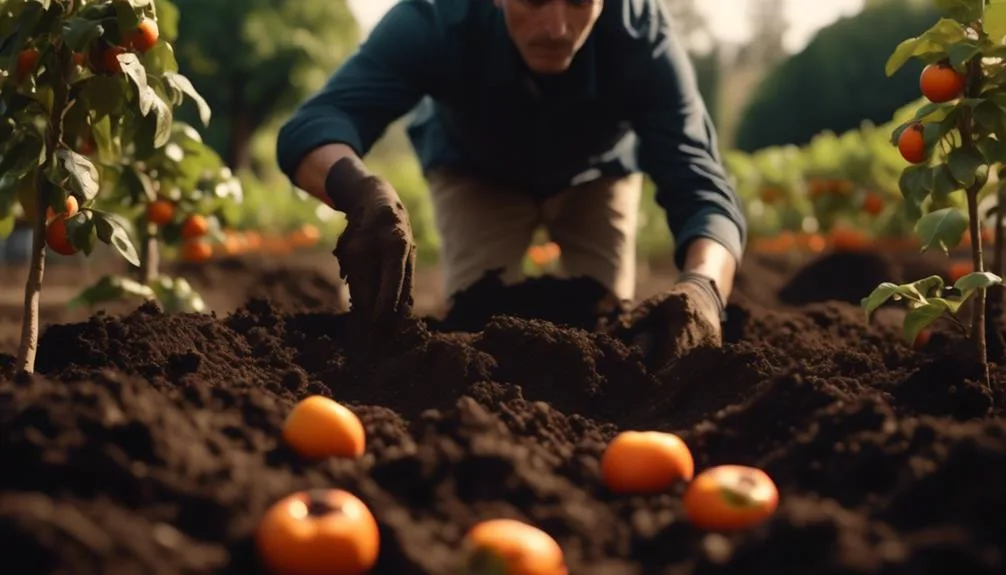
    enhancing soil quality for persimmons
    Share
    Facebook Twitter LinkedIn Pinterest Telegram Email

    If your persimmon trees aren't doing well, it could be because of the soil. Improving the soil for persimmon trees is crucial for their health and growth.

    Contents show
    1 Key Takeaways
    2 Soil Testing
    3 Ph Adjustment
    4 Organic Matter Addition
    5 Mulching Techniques
    6 Watering and Drainage
    7 Conclusion

    With a few simple changes, you can create the perfect environment for your trees to thrive. Let's look at some practical ways to enhance the soil and help your persimmon trees flourish.

    Key Takeaways

    • Conduct a soil test to determine nutrient levels and pH balance
    • Adjust pH levels gradually using organic materials like compost and mulch
    • Add organic matter such as compost and mulch to improve nutrient levels and soil structure
    • Use proper mulching techniques to prevent weed growth, conserve soil moisture, and enhance fertility and structure

    Soil Testing

    Before planting your persimmon trees, it's essential to conduct a soil test to determine the specific nutrient levels and pH balance of your soil. Nutrient deficiencies can hinder the growth and fruit production of persimmon trees. A soil test will reveal if your soil lacks essential nutrients such as nitrogen, phosphorus, or potassium.

    Additionally, understanding your soil composition is crucial for the successful growth of persimmon trees. Different types of persimmons thrive in various soil compositions, so knowing your soil type will help you make informed decisions about amendments and fertilizers.

    Recommended Products
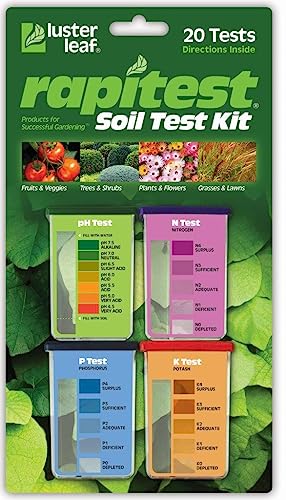
    Rapitest Soil Test Kit for Gardens, Vegetables, Flowers and Lawns. USA designed and assembled soil tester completely, quickly and accurately measures/analyzes soil pH acidity and garden nutrients.
    Rapitest Soil Test Kit for Gardens, Vegetables, Flowers and Lawns. USA designed and assembled soil tester completely, quickly and accurately measures/analyzes soil pH acidity and garden nutrients.

    Quick, at home results for Soil pH, Nitrogen, Phosphorous and Potash Innovative and inexpensive soil test kit features an easy-to-use capsule system and patented color comparators

    MUST READ
    Can Persimmon Trees Be Grown Indoors
    VIEW LATEST PRICE

    As an affiliate, we earn on qualifying purchases.

    MySoil Soil Test Kit, Unlock Your Lawn & Garden Potential, Complete & Accurate Nutrient and pH Analysis with Recommendations Tailored to Your Soil and Plant Needs
    MySoil Soil Test Kit, Unlock Your Lawn & Garden Potential, Complete & Accurate Nutrient and pH Analysis with Recommendations Tailored to Your Soil and Plant Needs

    KNOW BEFORE YOU GROW | Grow the healthiest, sustainable lawn and garden with the most accurate and easy to use professional soil test kit on the market

    VIEW LATEST PRICE

    As an affiliate, we earn on qualifying purchases.

    Soil pH Paper Test Kit – 100 Tester Strips (3.5-9 Range) – Use for Testing Garden Home Lawn Grass Vegetable Gardening Dirt Yard Compost Outdoor and Indoor Plants
    Soil pH Paper Test Kit – 100 Tester Strips (3.5-9 Range) – Use for Testing Garden Home Lawn Grass Vegetable Gardening Dirt Yard Compost Outdoor and Indoor Plants

    Accurate Soil pH Testing: Dewildetradingco Soil pH Test Strips offer measurements of soil pH levels (pH 3.5-9). As an essential tool for every gardener and grower, these test strips help determine the optimal pH for various plants, such as outdoor plants, indoor plants, gardens, grass lawns, fruit trees, flowers, vegetables, and forest shrubs.

    VIEW LATEST PRICE

    As an affiliate, we earn on qualifying purchases.

    Ph Adjustment

    Conducting a soil test has provided crucial insights into your soil's nutrient levels and composition, and now you can focus on addressing the pH balance through effective pH adjustment methods.

    The pH level of your soil significantly impacts nutrient availability and root development for your persimmon trees. With a pH below 6.0, aluminum and manganese toxicity can hinder root development, while nutrient availability diminishes as pH levels drop.

    On the other hand, excessively high pH levels above 7.5 can lead to deficiencies in vital nutrients such as iron, zinc, and manganese.

    MUST READ
    Is Persimmon Fruit High in Nutrients

    To optimize soil pH for your persimmon trees, consider using organic materials like compost and mulch to gradually adjust pH levels. Additionally, applying elemental sulfur for acidic soils or agricultural lime for alkaline soils can help balance pH and create an optimal environment for root development and nutrient uptake.

    Recommended Products

    True Organic Prilled Sulfur – Organic Fertilizer for Better Plant Growth, Flowers, Vegetables, and Herbs – Lowers Soil pH – 5lb Bag Covers 1,333 Sq. Ft.
    True Organic Prilled Sulfur – Organic Fertilizer for Better Plant Growth, Flowers, Vegetables, and Herbs – Lowers Soil pH – 5lb Bag Covers 1,333 Sq. Ft.

    Promotes Healthy Growth: True Prilled Sulfur supports overall plant growth, helping to produce superior flowers, vegetables, herbs, and foliage for an abundant harvest.

    VIEW LATEST PRICE

    As an affiliate, we earn on qualifying purchases.

    Earth Science Fast Acting Lime Granules—5lb— Instantly Raise pH of Soil & Reduce Nutrient Runoff for Improved Growth & Color - Long Lasting Lawn Care with Calcium
    Earth Science Fast Acting Lime Granules—5lb— Instantly Raise pH of Soil & Reduce Nutrient Runoff for Improved Growth & Color - Long Lasting Lawn Care with Calcium

    Raise Soil pH: If your soil pH is too low, plants are unable to absorb nutrients effectively. Earth Science Fast Acting Lime naturally raises soil pH to help plants.

    VIEW LATEST PRICE

    As an affiliate, we earn on qualifying purchases.

    Earth Science Fast Acting Sulfur Granules – 5lb – Reduces Soil pH and Nutrient Runoff, Improves Growth & Color for Acid-Loving Plants, Long-Lasting Lawn Care Supplement
    Earth Science Fast Acting Sulfur Granules – 5lb – Reduces Soil pH and Nutrient Runoff, Improves Growth & Color for Acid-Loving Plants, Long-Lasting Lawn Care Supplement

    Fast Acting Sulfur: Earth Science Fast Acting Sulfur granules start working immediately to lower the pH of your soil. Help your hydrangeas, azaleas, and blueberries absorb more food and improve fertilizer effectiveness.

    VIEW LATEST PRICE

    As an affiliate, we earn on qualifying purchases.

    Organic Matter Addition

    To improve the soil for your persimmon trees, consider adding organic matter such as compost and mulch to enhance nutrient levels and create a healthy environment for root development. This organic matter addition can significantly benefit your persimmon trees by improving soil structure, water retention, and nutrient availability.

    MUST READ
    Is Persimmon Tree Bark Used in Medicine

    Here's why you should prioritize organic matter addition:

    1. Composting benefits: Incorporating compost into the soil enhances its microbial activity, which aids in breaking down organic matter and releasing essential nutrients for persimmon tree growth.
    2. Nutrient availability: Organic matter serves as a reservoir for essential nutrients, ensuring a steady supply of nitrogen, phosphorus, and potassium for your persimmon trees.
    3. Soil structure improvement: The addition of organic matter enhances soil aggregation, promoting better aeration and water infiltration.
    4. Root development support: Organic matter provides a conducive environment for root growth, resulting in healthier and more robust persimmon trees.

    Recommended Products

    PlantBest Coco Mulch Compressed Block – Lightweight & Easy to Carry,...
    PlantBest Coco Mulch Compressed Block – Lightweight & Easy to Carry,...

    Compressed Block Replaces Heavy Bags: No more heavy, messy, bulky bags—this compressed block is easy to carry, store, and handle. Just add water and it expands in minutes...

    VIEW LATEST PRICE

    As an affiliate, we earn on qualifying purchases.

    Mulching Techniques

    Considering the benefits of organic matter addition for your persimmon trees, let's now shift our focus to mulching techniques to further enhance the soil and support the healthy growth of your trees.

    Mulching offers numerous advantages, including weed prevention, moisture retention, and soil insulation. Utilizing composting techniques for mulch provides a dual benefit by enhancing soil fertility and structure while preventing weed growth.

    When applying mulch, ensure it's spread evenly around the base of the tree, leaving a small gap around the trunk to prevent moisture-related issues. To effectively manage weeds, lay down a thick layer of mulch, around 2-4 inches deep, to suppress weed growth and conserve soil moisture.

    MUST READ
    Can Persimmon Trees Be Trained Into Bonsai

    Regularly inspect and replenish the mulch as needed to maintain its benefits and keep your persimmon trees thriving.

    Watering and Drainage

    For optimal growth and health of your persimmon trees, ensure that the watering and drainage around the tree is well-maintained. Proper watering and drainage are crucial for the overall health and productivity of your persimmon trees. Here are some practical tips to help you ensure your trees get the right amount of water and maintain good drainage:

    1. Irrigation Techniques: Consider using drip irrigation to deliver water directly to the root zone, promoting efficient water use and preventing foliage diseases.
    2. Soil Structure: Ensure the soil around your persimmon trees is well-draining to prevent waterlogged conditions that can lead to root rot.
    3. Moisture Retention: Mulch around the base of the tree to help retain soil moisture and regulate soil temperature.
    4. Root Development: Water deeply and less frequently to encourage deep root development and drought tolerance in your persimmon trees.

    Conclusion

    Incorporating these soil improvement steps will create an optimal environment for your persimmon trees to flourish.

    By testing and adjusting the soil, adding organic matter, and implementing proper watering and mulching techniques, you can ensure the health and productivity of your trees.

    With these practical tips, your garden will soon be home to thriving persimmon trees.

    Happy gardening!

    Share. Facebook Twitter Pinterest LinkedIn Tumblr Email
    lucy smith
    Lucy Smith
    • Website

    Lucy Smith is a highly experienced horticulturist with a passion for fruit tree cultivation. She holds a degree in Horticulture from the University of California, Davis, and has worked in various roles in the industry. With over 10 years of experience, Lucy is dedicated to using eco-friendly methods for sustainable gardening practices.

    Related Posts

    Why Do Persimmon Trees Have Distinctive Bark

    February 12, 2024

    Can Persimmon Trees Adapt to Climate Change

    February 12, 2024

    Creating a Wildlife Habitat With Persimmon Trees

    February 12, 2024

    Where Are Persimmon Trees Considered Invasive

    February 12, 2024

    Is Persimmon Tree Pollen Allergenic

    February 11, 2024

    Can Persimmon Trees Be Used in Herbal Teas

    February 11, 2024
    Leave A Reply Cancel Reply

    Affiliate Disclosure

    As an Amazon Associate I earn from qualifying purchases.

    Recommended Reading

    Grow Blackberries from Seed Indoors: Tips for Year-Round Harvests

    What Fruit Trees Grow Well in Utah: Top Varieties and Care Tips for Successful Gardening

    Where to Plant Olive Trees for the Best Yield

    How to Espalier Fruit Trees for a Productive Garden and Beautiful Landscape

    Do Joshua Trees Have Fruit? Exploring Their Unique Seed Pods and Ecological Importance

    Grapefruit Trees in Virginia (Piedmont Regional Advice)

    How to Make a Pomegranate Tree Produce Fruit: Essential Tips for Healthy Yield and Enjoyable Harvest

    How Do I Get My Fig Tree to Fruit: Tips for Thriving Trees and Abundant Harvests

    What Fruit Trees Have Shallow Roots: Best Choices for Small Gardens and Tight Spaces

    Pruning Shears vs Scissors: Choosing the Right Tool for Your Garden Needs

    Fruit Tree Hub

    Fruit Tree Hub is a website dedicated to providing you everything you need to grow fruit trees successfully at in your own yard.

    Contact us at: [email protected]

    - AFFILIATE DISCLOSURE: As an Amazon Associate I earn from qualifying purchases.

    Latest Posts

    Fig Trees in Tucson, AZ: Desert Success and Irrigation

    Grapefruit Trees in Colorado Springs, CO: Mountain Advice

    Guava Trees in Pennsylvania (Keystone State Growing Tips)

    Fig Trees in Montana? Cold-Hardy Solutions for Beginners

    Best Orange Trees for San Diego, CA: Coastal Growing Tips

    Star Fruit Trees in Ohio: Pro Secrets for Buckeye Gardeners

    Fig Trees in Baton Rouge, LA: Deep South Growing Advice

    How to Grow Jujube Trees in Winston-Salem, NC: Local Advice

    Categories
    • Almond Trees
    • Apple Trees
    • Apricot Trees
    • Best Fruit Trees
    • Blackberry
    • Cantaloupe
    • Cherry Trees
    • Crochet Ideas
    • Crochet Ideas for Beginners
    • Cucamelon
    • Easy Crochet Ideas
    • Easy Knitting Projects
    • Fig Trees
    • Grapefruit Trees
    • Grapes
    • Guava Trees
    • Honeydew
    • Jujube Trees
    • Kiwi
    • Knitting For Beginners
    • Knitting Ideas
    • Knitting Inspiration
    • Lemon Trees
    • Lime Trees
    • Loquat Trees
    • Mango Trees
    • Mulberry Trees
    • Nectarine Trees
    • Olive Trees
    • Orange Trees
    • Papaya Trees
    • Peach Trees
    • Pear Trees
    • Persimmon Trees
    • Planting
    • Plum Trees
    • Pomegranate Trees
    • Quince Trees
    • Raspberry
    • Reviews
    • Small Crochet Ideas
    • Star Fruit Trees
    • Summer Crochet Ideas
    • Tamarind Trees
    • Tangerine Trees
    • Tips and Advice
    • Tools
    • Uncategorized
    • Walnut Trees
    © 2026 Fruit Tree Hub
    • Home
    • About Us
    • Contact
    • Privacy Policy
    • Terms and Conditions
    • Disclaimer
    • Editorial Policy
    • Affiliate Disclosure

    Type above and press Enter to search. Press Esc to cancel.