

Growing mulberry trees in pots in Mississippi is a viable option for gardeners seeking to enjoy fresh fruit in limited spaces. These trees thrive in the Deep South’s warm climate, making them suitable for container gardening. Proper care and attention to specific growth conditions will ensure a fruitful harvest.
Choosing Container-Friendly Mulberry Varieties
When selecting mulberry trees for container growth in Mississippi, it’s essential to choose varieties that thrive in smaller spaces while still producing abundant fruit. Certain species are better suited for pot cultivation, offering both adaptability and resilience to the region’s climate. Understanding these options will help ensure a successful and fruitful gardening experience.
Selecting the right mulberry tree variety is crucial for successful growth in containers. The most common types include:
Black Mulberry: Known for its sweet, dark fruit, it can grow up to 30 feet tall but can be pruned to fit a pot.
Red Mulberry: This variety is native to North America and produces flavorful berries. It typically reaches 50 feet but can also be managed in a pot.
White Mulberry: Often used for silkworm cultivation, this variety is more tolerant of different soil conditions.
Each variety has specific requirements, so consider your climate and space before choosing.
Recommended Products
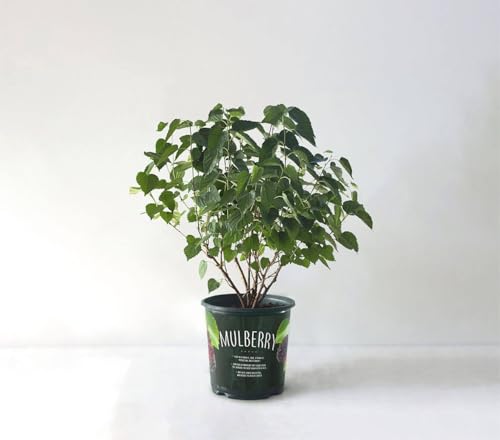
Grow Your Own Sweet Mulberries at Home: Enjoy fresh, juicy berries right from your backyard for snacking, smoothies, and homemade treats

LIVE WHITE MULBERRY TREE – Receive one healthy live White Mulberry Tree measuring approximately 8-12 inches tall in a grower pot, ready to plant in your landscape or garden.

Height Design: Featuring a unique 12-inch height, these tall plant nursery pots offer generous space for strong taproot development. Perfect for deep-rooted vegetables, trees, and plants, ensuring healthier and more stable growth in plastic tall tree pots designed for long-term use
Optimal Pot Dimensions for Mulberry Trees
When growing mulberry trees in pots in Mississippi, selecting the right pot dimensions is crucial for their health and growth. The size of the container directly impacts root development and overall vitality, making it essential to understand the optimal measurements for successful cultivation in the Deep South’s unique climate.
Choosing the right pot is essential for the health of your mulberry tree. A pot that is too small may restrict root growth, leading to poor fruit production.
Size: A pot should be at least 15-20 gallons for optimal growth.
Material: Use terra cotta or plastic pots with drainage holes to prevent root rot.
Weight: Consider a heavier pot to prevent tipping, especially in windy conditions.
| Pot Type | Size Recommendation | Drainage Requirement |
|---|---|---|
| Terra Cotta | 15-20 gallons | Essential |
| Plastic | 15-20 gallons | Essential |
Soil Mix and Fertilization for Mulberries
Successful cultivation of mulberry trees in pots requires careful attention to soil mix and fertilization. In Mississippi’s unique climate, selecting the right combination of nutrients and soil composition is crucial for promoting healthy growth and fruit production. Understanding these elements can significantly enhance the vitality of your potted mulberries.
The right soil mix and fertilization schedule are vital for healthy growth. Mulberry trees prefer well-draining soil that retains moisture.
Soil Mix: Combine potting soil with perlite or sand for drainage.
Fertilizer: Use a balanced slow-release fertilizer every 4-6 weeks during the growing season.
pH Level: Aim for a pH between 6.0 and 7.0 for optimal nutrient uptake.
Regular soil checks will help maintain the right conditions.
Mulberry Tree Pot Watering and Light Needs
Understanding the watering and light requirements for mulberry trees in pots is essential for successful growth in Mississippi’s unique climate. These trees thrive with the right balance of moisture and sunlight, which can significantly impact their health and fruit production. This section will provide detailed insights into how to meet these needs effectively.
Watering and sunlight are critical for the growth of mulberry trees in pots. Overwatering can lead to root rot, while insufficient water can stress the plant.
Watering Frequency: Water when the top inch of soil feels dry. Typically, this will be every 2-3 days in hot weather.
Sunlight Needs: Place the pot in a location that receives at least 6-8 hours of direct sunlight daily.
Monitor the tree’s leaves for signs of stress, such as wilting or yellowing.
Pruning Techniques for Healthy Mulberry Trees
Pruning is essential for maintaining the health and vigor of mulberry trees grown in pots, especially in Mississippi’s unique climate. Proper techniques not only promote better air circulation and sunlight penetration but also encourage fruitful growth. Understanding the right methods can significantly enhance your tree’s overall well-being and productivity.
Regular pruning is essential for maintaining the shape and health of your mulberry tree. This practice encourages better air circulation and fruit production.
When to Prune: Late winter or early spring before new growth begins.
How to Prune: Remove dead or crossing branches and trim back to maintain a manageable height.
Proper maintenance will enhance fruit yield and overall tree health.
Mulberry Tree Pest and Disease Solutions
Maintaining healthy mulberry trees in pots requires vigilance against pests and diseases, particularly in the humid climate of Mississippi. Understanding the common threats and implementing effective management strategies can help ensure robust growth and fruit production. This section explores practical solutions to safeguard your mulberry trees from potential infestations and ailments.
Pests and diseases can threaten the health of your mulberry tree. Early detection and treatment are key to preventing damage.
Common Pests: Watch for aphids, spider mites, and scale insects. Use insecticidal soap or neem oil for treatment.
Diseases: Fungal infections can occur in humid conditions. Ensure good airflow and avoid overhead watering to minimize risks.
Regular inspections will help catch issues before they escalate.
Optimal Mulberry Harvest Timing in Mississippi
Understanding the optimal timing for harvesting mulberries in Mississippi is crucial for maximizing fruit quality and yield. The region’s unique climate and growing conditions influence when these trees produce their best fruit. This section will provide insights into the ideal harvest period to ensure a bountiful and flavorful crop.
Harvesting mulberries at the right time ensures the best flavor and quality.
Timing: Mulberries are ready to harvest when they are fully colored and slightly soft to the touch.
Method: Gently pull the berries from the stem to avoid damaging the tree.
Storing harvested berries in a cool place will prolong freshness.
Pot Care Tips for Mississippi Mulberries
Caring for mulberry trees in pots requires specific attention, especially in Mississippi’s unique climate. Understanding the right techniques for watering, fertilizing, and positioning your potted mulberries can significantly enhance their growth and fruit production. Here are essential tips to ensure your container-grown mulberries thrive in the Deep South.
Growing mulberry trees in pots in Mississippi is rewarding with the right knowledge and care. Regular attention to watering, sunlight, and pest management will lead to a fruitful harvest.
Monitor your tree’s health and adapt your care routine as needed for the best results.
