

Have you ever wondered how to save cucamelon seeds for your next planting season? Picture this: you’ve just enjoyed the crisp, tangy flavor of fresh cucamelons from your garden, and now you’re curious about preserving those seeds to ensure a bountiful harvest next year. In this article, we’ll show you a simple yet rewarding way to harvest and store cucamelon seeds effortlessly.
By learning the art of harvesting cucamelon seeds, you’ll not only save money on buying new seeds but also have the satisfaction of nurturing your plants from start to finish. Imagine having a continuous supply of these adorable mini fruits in your garden without having to rely on store-bought seeds each season. With our easy-to-follow guide, you’ll soon be equipped with the knowledge and skills needed to collect and preserve cucamelon seeds like a pro.
Key Takeaways
- Cucamelons, also known as “Mexican sour gherkin” or “mouse melon,” are tiny fruits with a refreshing taste and unique characteristics.
- Cucamelon plants are low-maintenance, produce a prolific yield, and offer versatile culinary uses such as snacking, salads, and pickling.
- Harvest cucamelon seeds in late summer or early fall when the fruits are fully mature for successful storage and future planting.
- Use sharp pruning shears to carefully harvest ripe cucamelons, extract the seeds, clean and dry them thoroughly before storing in a cool, dark place for long-term viability.
Understanding Cucamelons
Cucamelons, also known as “Mexican sour gherkin” or “mouse melon,” are tiny fruits that resemble a miniature watermelon. These grape-sized cucumbers have a refreshing taste with a hint of tanginess, making them a unique addition to your garden.
What Are Cucamelons?
Cucamelons belong to the cucumber family but have their distinct characteristics. They look like cute mini watermelons and taste like cucumbers with a slightly sour twist. These little fruits are not only adorable but also pack a flavorful punch, perfect for salads, pickling, or snacking.
- Low Maintenance: Cucamelon plants are easy to grow and require minimal care once established in your garden.
- Prolific Yield: Despite their small size, cucamelon vines can produce an abundance of fruit throughout the growing season.
- Versatile Use: Enjoy cucamelons fresh off the vine, use them in salads for added crunch, or pickle them for a tangy treat.
- Unique Flavor: The combination of cucumber-like freshness and subtle sourness sets cucamelons apart from other garden produce.
- Decorative Appeal: Cucamelon plants feature attractive foliage and delicate tendrils that add visual interest to your garden landscape.
- Healthy Snacking Option: Packed with vitamins and antioxidants, cucamelons offer a nutritious snack alternative that’s both delicious and good for you.
- Cost-Effective Seed Harvesting: By harvesting and storing cucamelon seeds from your own crop, you can save money on purchasing seeds each season while ensuring a continuous supply of these delightful fruits in your garden.
Best Time to Harvest Cucamelon Seeds
When it comes to harvesting cucamelon seeds, timing is crucial for ensuring their viability and successful storage. Here’s a guide to help you determine the best time to harvest your cucamelon seeds.
Identifying Ripeness
To harvest cucamelon seeds at the right time, look for signs of ripeness in the fruit. Ripe cucamelons will have a firm texture and a vibrant green color. They should feel slightly soft when gently squeezed but not too mushy. Avoid picking seeds from underripe or overripe cucamelons as they may not germinate effectively.
Seasonal Harvesting Tips
The ideal time to harvest cucamelon seeds is in late summer or early fall when the fruits are fully mature. Wait until the cucamelons reach their full size, typically about 1 inch in length, before collecting the seeds. Choose a dry day to harvest when the fruits are free from moisture, as dampness can affect seed quality during storage.
By following these tips on identifying ripeness and seasonal harvesting cues, you’ll be able to gather high-quality cucamelon seeds for future planting with ease.
How to Harvest Cucamelon Seeds
When it comes to harvesting cucamelon seeds, proper timing and techniques are crucial for successful seed collection. Here’s how you can ensure a bountiful harvest of cucamelon seeds for future planting.
Recommended Products

[LARGER STORAGE SPACE] The package includes 1 big plastic storage box + 64 small containers+ 1 tweezers This box can meet the needs of daily variety of seed classification storage.

Sturdy Seed Storage Organizer Set: Includes 120 * organizer storage boxes, 20*seed envelopes, 1 * quality storage zipper bag, and 140* label stickers. Fully meet your daily needs, store all seeds securely, keeping them neat and dry without being damaged

【Seed Storage Set】Streamline your planting season with our complete seed organizer set. This value-packed bundle includes 1 premium green metal seed storage box, 20 seed envelopes, and 50 plant labels. At 13" x 7" x 5.1", it’s the ideal solution to end messy drawers and keep your vegetable and flower varieties perfectly indexed and ready for the first thaw.
Preparing for Harvest
To get ready for the seed harvesting process, you’ll need a few essential supplies:
- Pruning Shears: Use sharp pruning shears to cut the ripe cucamelons from the vine without damaging the plant.
- Container or Basket: Have a container or basket on hand to collect the harvested cucamelons.
Step-by-Step Harvesting Process
Follow these steps to harvest cucamelon seeds effectively:
- Selecting Ripe Cucamelons: Choose fully mature cucamelons that are firm and plump. Avoid fruits that are soft or discolored.
- Harvesting the Fruit: Using your pruning shears, carefully cut each ripe cucamelon from the vine, ensuring you leave some stem attached to the fruit.
- Extracting Seeds: Gently squeeze each cucamelon to remove the seeds. Place the seeds in a bowl or container.
- Cleaning and Drying Seeds: Rinse the extracted seeds under running water to remove any pulp or debris. Spread them out on a paper towel or tray to air dry thoroughly for several days.
- Storage: Once completely dry, store the cucumber seeds in a cool, dark place in an airtight container until you’re ready for planting.
By following these simple steps and guidelines, you can successfully harvest and store high-quality cucamelon seeds from your crop, ensuring a plentiful supply of these delightful fruits for future seasons.
Storing Cucamelon Seeds
When it comes to storing cucamelon seeds, proper techniques are essential to maintain their viability for future planting. Here’s how you can ensure the longevity of your cucamelon seeds:
Recommended Products

High-Grade Glass: Made with premium BPA-free and lead-free food-grade glass, ensures long-lasting durability and offers a clear view of contents, preserving the freshness and integrity of stored food.
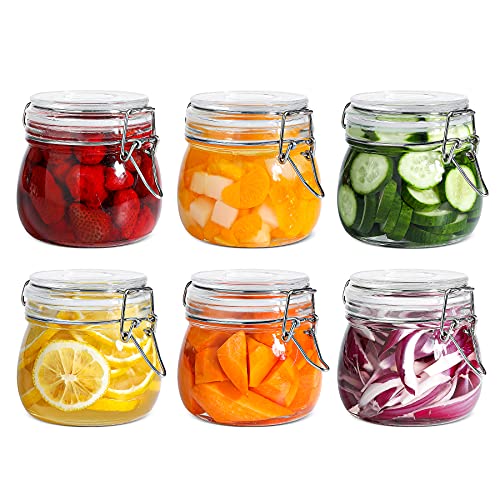
Perfect for Shallow Drawers: Measuring just 4.1 inches tall, these short, stout canisters are engineered to fit perfectly inside most shallow kitchen drawers without snagging. Finally, an elegant solution to organize your spices, supplements, or snacks neatly out of sight for a flawless, minimalist countertop.

Perfect Food Storage Set — This glass canister set comes with 3 single size jars, measures 4.5"Wx4.5"Wx7.9"H, 50oz capacity. Prefect size to be used as storage jars for pantry and kitchen storage,Ideal for storing pasta,flour,sugar, cereal,coffee,beans,candy,cookies,snacks.
Drying the Seeds
After harvesting and cleaning the cucamelon seeds, it’s crucial to dry them thoroughly before storage. Spread the seeds out on a paper towel or a mesh screen in a well-ventilated area away from direct sunlight. Allow the seeds to air dry for about 1-2 weeks until they are completely dry. You’ll know the seeds are ready for storage when they break instead of bending.
Long-Term Storage Solutions
For long-term storage of cucamelon seeds, opt for airtight containers such as glass jars or seed envelopes. Make sure the containers are clean and dry before adding the dried seeds. Store the containers in a cool, dark place with low humidity levels, like a pantry or refrigerator. Label each container with the seed variety and date of harvest for easy identification.
Conclusion
You’ve now learned the ins and outs of harvesting cucamelon seeds. Remember, timing is key for successful storage. By selecting ripe fruits, extracting and cleaning the seeds properly, and ensuring thorough drying before storage, you can preserve the unique flavor of cucamelons. Storing them in airtight containers in a cool, dark place will maintain their viability for future planting. With these simple steps, you’ll have a bountiful supply of cucamelon seeds ready to grow in your garden season after season. Happy harvesting!
Frequently Asked Questions
When is the best time to harvest cucamelon seeds?
Harvest cucamelon seeds when the fruits are fully ripe and begin to soften, usually towards the end of the growing season.
How do I extract and clean cucamelon seeds?
To extract and clean cucamelon seeds, cut open ripe fruits, scoop out the seeds, rinse them in water to remove pulp residue, and allow them to dry completely.
What are some proper storage techniques for cucamelon seeds?
Properly store cucamelon seeds by drying them thoroughly before placing them in airtight containers. Store containers in a cool, dark place for long-term viability.
How can I ensure high-quality cucamelon seeds for future planting?
Ensure high-quality cucamelon seeds by following proper harvesting, cleaning, drying, and storage practices outlined in this article.
