

Are your fruit trees struggling to produce healthy, delicious fruit? You’re not alone. Many gardeners face the challenge of finding the right fertilizer to boost growth and yield. With so many options out there, it can feel overwhelming to choose the best one for your trees.
In this article, you’ll discover what makes a good fertilizer for fruit trees and how it can make a difference in your garden. We’ll explore the key nutrients your trees need, the types of fertilizers available, and tips for applying them effectively. By the end, you’ll have the knowledge to ensure your fruit trees thrive and reward you with a bountiful harvest.
Key Takeaways
- Essential Nutrients: Fruit trees require key nutrients like nitrogen, phosphorus, potassium, calcium, magnesium, and sulfur for optimal growth and fruit production.
- Organic vs. Synthetic: Both organic (e.g., compost, bone meal) and synthetic fertilizers (e.g., urea, DAP) have their benefits; organic builds soil health while synthetics provide quick nutrient uptake.
- Application Methods: Granular fertilizers release nutrients slowly and should be applied in early spring, while liquid fertilizers offer quick absorption and are best used during growing phases.
- Fertilization Timing: The best times to fertilize are early spring and late spring/summer, with frequency depending on tree age and soil health; young trees may need biannual applications.
- Tailored Fertilization: Specific fruit tree types need tailored fertilizer ratios; for example, citrus trees thrive with high nitrogen, while stone fruit trees benefit from higher phosphorus levels.
- Signs of Nutrient Deficiency: Monitor trees for indicators like yellowing leaves or poor fruit development to adjust fertilization strategies accordingly.
Understanding Fruit Tree Nutrition
Fruit trees require specific nutrients to thrive and produce healthy fruit. Knowing what to provide and how to recognize signs of nutrient needs is essential for success.
Essential Nutrients for Fruit Trees
- Nitrogen: Nitrogen promotes lush growth and leaf production. It’s vital during the early growth stages of your fruit trees.
- Phosphorus: Phosphorus supports root development and flowering. Healthy root systems lead to better nutrient uptake and fruit production.
- Potassium: Potassium enhances overall tree health and resilience against disease. It also aids in fruit quality and size.
- Calcium: Calcium strengthens cell walls and helps in maintaining structural integrity. It prevents issues like blossom end rot in certain fruits.
- Magnesium: Magnesium is essential for photosynthesis. A lack of magnesium can lead to yellowing leaves and weak trees.
- Sulfur: Sulfur contributes to protein synthesis and enzyme function. It’s crucial for the overall metabolism of the plant.
- Yellowing Leaves: If leaves turn yellow, nitrogen deficiency may be the cause. This appears first in older leaves.
- Poor Fruit Development: Small or misshapen fruit can indicate a lack of potassium or phosphorus.
- Leaf Curling: Curling or crinkling leaves often signifies magnesium deficiency, affecting photosynthesis.
- Blossom End Rot: This is a common problem in tomatoes and peppers, linked to calcium deficiency. Keep an eye out for dark, sunken spots on fruits.
- Weak Growth: Spindly, slow-growing trees often lack essential nutrients. Fertilization can restore vigor.
By understanding these nutrient needs and deficiency signs, you can tailor your fertilization strategy for optimal fruit tree health.
Types of Fertilizers
Different fertilizers support fruit tree growth and production. Understanding these types helps you choose the best option for your trees.
Recommended Products
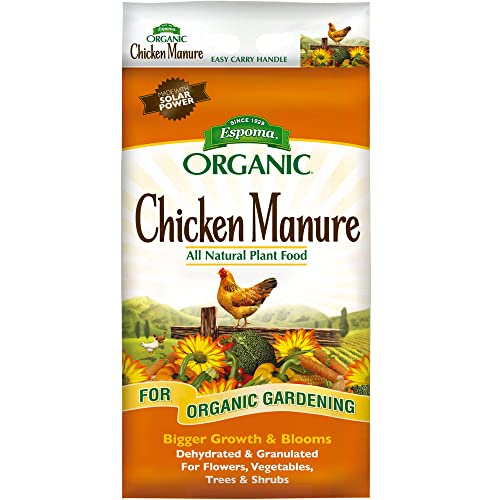
FOR USE ON: Use Chicken Manure organic fertilizer for flowers (annuals, perennials, and roses), Vegetables (tomatoes, peppers, squash, and lettuce), trees and shrubs.
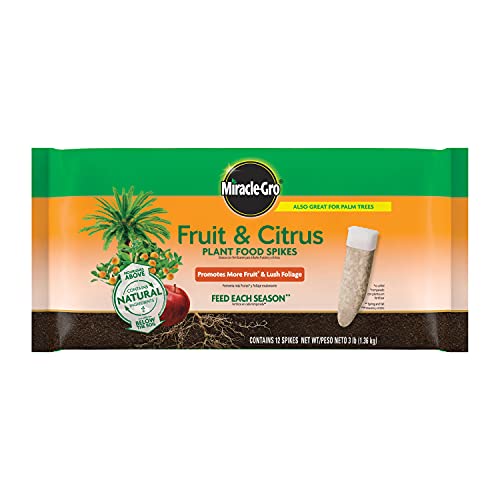
FORMULATED FOR CITRUS AND FRUIT TREES: Use these citrus fertilizer spikes on apple, orange, lemon, lime, and avocado trees; this formula is also great for feeding palm trees

Nutrient-Rich Organic Compost for Healthy Soil: Support stronger plant growth with this premium organic compost made from dairy cow manure. This all purpose soil amendment helps replenish essential nutrients often depleted after harvests, making it ideal for vegetable gardens, fruit trees, flowers, lawns and container plants.
Organic Fertilizers
Organic fertilizers come from natural sources, offering essential nutrients while improving soil health. Common examples include:
- Compost: Enriches the soil with organic matter and beneficial microorganisms.
- Manure: Provides nitrogen and other nutrients; ensure it’s well-aged to avoid burning plants.
- Bone Meal: Rich in phosphorus, which promotes root development and flowering.
- Fish Emulsion: A liquid fertilizer that supplies nitrogen and trace nutrients.
Applying organic fertilizers gradually releases nutrients, promoting sustainable growth. Incorporate these fertilizers during the planting season or when trees show signs of nutrient deficiencies for best results.
Synthetic Fertilizers
Synthetic fertilizers provide a quick nutrient boost, with precise nutrient ratios. Common options include:
- Urea: Supplies nitrogen rapidly, useful for promoting foliage growth.
- DAP (Diammonium Phosphate): Combines nitrogen and phosphorus, enhancing root growth and flowering.
- Potassium Nitrate: Delivers both potassium and nitrogen, crucial for overall health and fruit quality.
Apply synthetic fertilizers according to package instructions. They work quickly but may require more frequent application compared to organic options. Monitor your trees for signs of nutrient imbalance or over-fertilization.
Application Methods
Applying fertilizer effectively boosts the health and fruit production of your trees. Two primary methods to consider are granular and liquid applications.
Recommended Products

Let our professionally formulated plant food help your fruit tree grow healthy, strong AND abundantly producing

Produce abundant and vibrant fruit and blooms! This product works by strengthening your plant's roots to increase nutrient uptake… enabling it to bloom and produce like you've never seen!

Produce abundant and vibrant fruit and blooms! This product works by strengthening your plant's roots to increase nutrient uptake… enabling it to bloom and produce like you've never seen!
Granular Fertilizers
Granular fertilizers deliver nutrients slowly, ensuring a steady supply. You can apply them during early spring, just as trees begin to bud. Follow these steps for granular application:
- Choose the Right Fertilizer: Select a formula suitable for fruit trees, like 10-10-10 or 5-10-10.
- Determine the Amount: Use package instructions based on your tree’s age and size. Typically, use about 1 pound of fertilizer for every inch of trunk diameter.
- Spread Evenly: Scatter the granules around the tree’s drip line, avoiding direct contact with the trunk.
- Water Thoroughly: After application, water well to help dissolve the granules and promote nutrient uptake.
Granular fertilizers are simple to use and provide sustained nutrients throughout the growing season.
Liquid Fertilizers
Liquid fertilizers offer quick nutrient absorption, perfect for a rapid boost during growth phases. You can apply them particularly in late spring or early summer. Here’s how to use liquid fertilizers effectively:
- Select a Quality Product: Choose a balanced liquid fertilizer or one specifically formulated for fruit trees.
- Dilute as Directed: Follow package instructions for dilution. Typically, this involves mixing 1 to 2 tablespoons of fertilizer with a gallon of water.
- Apply with Care: Pour the solution around the base of the tree, ensuring you cover the root zone but avoiding the trunk.
- Repeat as Needed: Liquid fertilizers usually need application every 4 to 6 weeks during the growing season.
Liquid fertilizers provide a swift nutrient boost, making them ideal for trees exhibiting signs of nutrient stress.
Timing and Frequency of Fertilization
Understanding when and how often to fertilize fruit trees significantly impacts their growth and productivity. Proper timing maximizes nutrient absorption while ensuring healthy development through all seasons.
Best Times to Fertilize
Fertilize fruit trees during specific growth stages for optimal benefits. Early spring works best as trees wake from dormancy, signaling the beginning of their growing season. This is when nitrogen-rich fertilizers support new leaf and shoot development.
Apply a second round of fertilization in late spring or early summer. This timing aids in fruit development and overall tree health. For trees bearing fruit, a potassium boost during mid-summer enhances fruit quality.
Frequency Recommendations
Fertilization frequency varies based on tree age and soil health. Young trees typically require fertilization twice a year, while mature trees may only need it once annually. Conduct a soil test to assess nutrient levels and adjust your fertilization schedule accordingly.
For trees in nutrient-poor soil, consider a more frequent schedule, such as every 6 to 8 weeks during the growing season. Always monitor the trees’ health; signs like stunted growth or yellowing leaves indicate an immediate need for additional nutrients.
Specific Fertilizer Recommendations for Different Fruit Trees
Selecting the right fertilizer for your specific fruit trees enhances growth, fruit quality, and overall health. Here are tailored recommendations for popular types.
Recommended Products

FOR USE ON: Use Citrus-tone organic fertilizer for all citrus trees, including lemon, lime, orange, Meyer Lemon Trees as well as for avocado & nut trees

Package contains 4 Pounds organic fruit and citrus fertilizer grains and is produced to avoid wasteful runoff, mess, hazards and smells

Made for Lemon & Citrus Trees – Formulated to support healthy growth in lemon and citrus plants.
Citrus Trees
Citrus trees thrive with fertilizers high in nitrogen. A balanced fertilizer with a 2:1:1 ratio of nitrogen, phosphorus, and potassium works best. For example, you can use a 10-5-5 formulation.
Application Tips:
- Apply in early spring and again in late summer.
- Follow package instructions for the correct amount based on tree size.
- Water well after application for optimal absorption.
Apple Trees
Apple trees benefit from fertilizers rich in potassium early in the growing season. A recommended NPK ratio is 10-10-10, or a product specially formulated for fruit trees.
Application Tips:
- Fertilize in early spring as leaves begin to bud.
- Use about 1 pound per inch of trunk diameter, spreading it evenly around the base.
- Water the area thoroughly after fertilization to activate the nutrients.
Stone Fruit Trees
Stone fruit trees, like cherries and peaches, prefer fertilizers with higher phosphorus levels to support flowering and fruiting. A ratio of 5-10-10 is effective.
- Fertilize in early spring before flowering and again post-harvest.
- Apply in a circle around the tree, keeping the fertilizer away from the trunk to prevent root burn.
- Make sure to water the tree well after fertilizing to encourage nutrient uptake.
Following these specific recommendations helps maximize the health and productivity of your fruit trees, ensuring a bountiful harvest.
Conclusion
Choosing the right fertilizer for your fruit trees is key to enjoying a bountiful harvest. By understanding the specific nutrient needs and applying the right products at the right times, you can help your trees thrive. Whether you opt for organic or synthetic options, remember that regular monitoring and adjustments based on your trees’ health will make a big difference.
With a little care and attention, you’ll be on your way to growing delicious fruits that you can enjoy straight from your garden. Happy gardening and may your fruit trees flourish!
Frequently Asked Questions
What are the essential nutrients for fruit trees?
Fruit trees need nitrogen for growth, phosphorus for root development and flowering, potassium for overall health and fruit quality, calcium for structural integrity, magnesium for photosynthesis, and sulfur for metabolism. Each nutrient plays a critical role in ensuring healthy growth and a bountiful fruit harvest.
How do I know if my fruit trees are nutrient deficient?
Signs of nutrient deficiencies include yellowing leaves (nitrogen), poor fruit development (potassium or phosphorus), leaf curling (magnesium), and blossom end rot (calcium). Recognizing these signals helps in managing fertilization effectively.
What types of fertilizers are best for fruit trees?
Fertilizers come in two types: organic and synthetic. Organic options, like compost and manure, improve soil health and release nutrients gradually. Synthetic fertilizers, such as urea and DAP, provide quick nutrient boosts with precise ratios but may need more frequent application.
When should I fertilize my fruit trees?
Fertilize fruit trees in early spring as they emerge from dormancy and consider a second application in late spring or early summer to support fruit development. Young trees may need fertilization twice a year, while mature trees generally require it once annually.
How do I apply fertilizer to fruit trees?
Granular fertilizers should be applied in early spring for slow nutrient release, while liquid fertilizers are best used in late spring or early summer for quick absorption. Make sure to choose the right fertilizer, determine the amount needed, and water the trees after application to promote uptake.
Are there specific fertilizer recommendations for different types of fruit trees?
Yes, for citrus trees, use a balanced fertilizer with a 2:1:1 nitrogen, phosphorus, and potassium ratio. Apple trees benefit from a 10-10-10 NPK ratio, while stone fruit trees thrive with a 5-10-10 ratio. Tailoring fertilizers to tree type maximizes growth and fruit quality.
Why is soil testing important for fertilization?
Soil testing provides insights into nutrient levels and pH balance, allowing you to tailor your fertilization schedule accordingly. Properly addressing soil deficiencies enhances the overall health of your fruit trees and improves their fruit production.
