

Have you ever enjoyed a juicy piece of fruit and thought about growing your own tree from its seeds? It’s a simple idea that can lead to a rewarding experience. Whether you’re looking to add greenery to your yard or want to enjoy fresh fruit straight from your garden, growing trees from seeds is a fun and fulfilling project.
In this article, you’ll discover easy steps to turn those leftover seeds into thriving trees. Not only will you learn the basics of seed preparation and planting, but you’ll also find tips on nurturing your young trees as they grow. By the end, you’ll be ready to watch your little seeds transform into beautiful, fruit-bearing trees.
Key Takeaways
- Identifying Seed Types: Familiarize yourself with various fruit seed types (stone fruits, pome fruits, berries, citrus) and their unique germination requirements for successful growth.
- Proper Seed Preparation: Clean and dry seeds thoroughly, and utilize techniques like stratification and scarification to enhance germination chances.
- Optimal Planting Conditions: Use a well-draining potting mix for planting, ensuring the correct depth based on seed size, and maintain consistent moisture during germination.
- Young Tree Care: Water young trees consistently and provide adequate sunlight, maintaining a warm environment to promote healthy growth.
- Transplanting Techniques: Transplant when seedlings reach 6 to 12 inches tall, following best practices such as preparing the new location, handling seedlings carefully, and watering thoroughly post-transplant.
- Observation and Adjustments: Monitor young trees for signs of stress or shock and adjust care routines to ensure they thrive and develop into fruit-bearing trees.
Understanding Fruit Seeds
Fruit seeds are vital for growing trees, containing the genetic material necessary for new plants. Familiarizing yourself with the types of fruit seeds and their anatomy helps ensure successful germination.
Types of Fruit Seeds
Different fruit seeds vary in size, shape, and germination requirements. Here are some common categories:
- Stone Fruits: Seeds from fruits like cherries, peaches, and plums feature a hard outer shell. These seeds require stratification, a cold treatment for successful sprouting.
- Pome Fruits: Apples and pears produce seeds that are small and flat. These seeds don’t need special treatment and germinate fairly easily when planted.
- Berries: Strawberries and blueberries contain numerous tiny seeds on or within the fruit. These seeds usually require moist and warm conditions for germination.
- Citrus Fruits: Seeds from lemons, oranges, and grapefruits are large and have a thick, protective coating. Citrus seeds perform better with immediate planting, as their viability decreases quickly.
Seed Anatomy
Understanding seed anatomy helps you care for seeds properly. Key parts of a fruit seed include:
- Seed Coat: The outer layer providing protection to the seed. Removing it improves germination chances for some seeds.
- Endosperm: This nutrient-rich tissue supplies energy to the developing seedling. It’s especially important during early growth.
- Embryo: The part that develops into the new plant. Healthy embryos are critical for successful germination.
By grasping the types and structure of fruit seeds, you position yourself to enhance your gardening efforts and grow healthy trees.
Preparing Seeds for Planting
Preparing fruit seeds properly is crucial for successful growth. Follow these steps to ensure your seeds are ready for planting.
Cleaning and Drying Seeds
Cleaning seeds removes pulp, dirt, and other debris, promoting healthy germination. First, soak the seeds in water for a few hours. This loosens the pulp. After soaking, rinse the seeds under running water until all residue is gone. For example, if you’re working with apple seeds, you may find pulp clinging to them.
After cleaning, drying is essential. Spread the seeds on a paper towel or a clean cloth in a single layer. Allow them to air dry for a few days in a warm place away from direct sunlight. This prevents mold and ensures seeds remain viable.
Stratification and Scarification
Stratification mimics natural winter conditions, necessary for seeds that require chilling before germination. If you’re dealing with seeds from stone fruits like peaches or cherries, place them in a moist paper towel inside a sealed plastic bag. Store this bag in the refrigerator for 30 to 90 days. Regular checks ensure they remain moist.
Scarification involves breaking or softening the seed coat, making germination easier. For seeds like citrus, use a small knife or sandpaper to carefully scar the seed’s surface. This technique allows water to penetrate more effectively.
By following these methods, you enhance the chances of successful germination, leading to healthy fruit trees.
Planting Seeds
Planting seeds marks a significant step in growing fruit trees. Here’s how to get it right.
Choosing the Right Soil
Choose a well-draining potting mix specifically designed for seed starting. Look for mixes that contain a mix of peat, vermiculite, or perlite. These components provide aeration and retain moisture. Avoid garden soil, as it can be too heavy and may introduce pests or diseases. Ensure the soil pH falls between 6.0 and 7.0, as most fruit seeds thrive in this range.
Planting Techniques and Depth
Follow these steps for effective planting:
- Moisten the Soil: Lightly water the potting mix before planting. It should be damp but not soggy.
- Create Planting Holes: Use your finger or a pencil to create small holes, about 1 to 2 inches deep, based on the seed type. Larger seeds, like peach or avocado, require deeper planting.
- Placement of Seeds: Place 1 to 3 seeds in each hole. This increases the likelihood of germination, allowing you to thin out weaker seedlings later.
- Cover and Firm: Gently cover the seeds with soil and press down slightly to eliminate air pockets. Do not compact the soil too much, as seeds need room to grow.
- Label: Use markers to label each pot with the seed type and planting date. This tracking helps with care and maintenance.
Water the planted seeds thoroughly, ensuring moisture reaches the seed level. Keep pots in a warm, well-lit area to facilitate germination. Maintain a consistent moisture level, but avoid overwatering, which can lead to rot.
Caring for Young Trees
Caring for young trees is essential for successful growth and fruit production. By providing the right conditions, you’ll ensure that your trees thrive.
Recommended Products
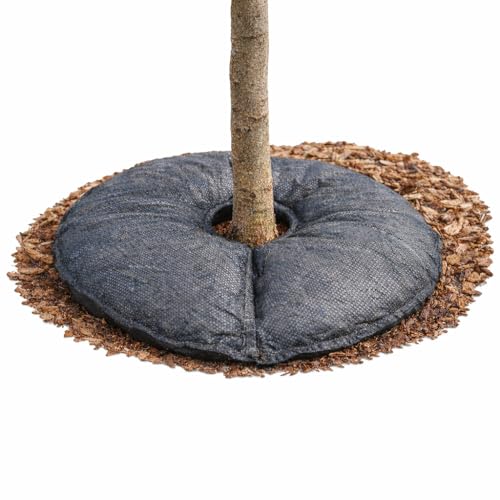
For Plants and Trees that with root balls about 12” in dia., (11-15”, e.g. 3-10 Gallon Container Sizes have top diameters between 11-15”) - Uses 99% LESS WATER than traditional tree bag over the course of multiple seasons for better establishment of the newly planted trees and shrubs! When the plant root ball is larger than 15”, the 36”, 48”, or multiple units of these larger sized SteadySpring Tree Mats are recommended to cover an area double of the root ball size or at least 20” larger than the root ball.
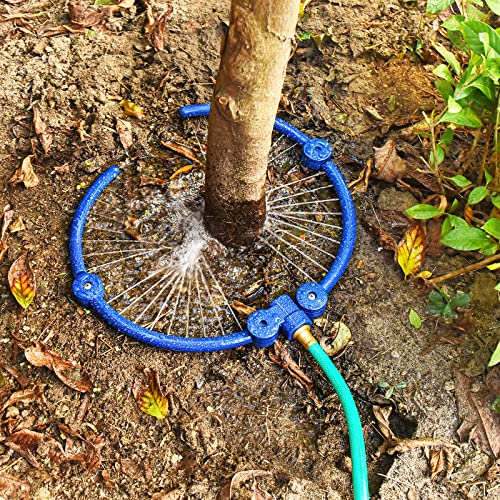
【Specially Designed for Trees and Shrubs】 The Watering Ring is a multi-purpose irrigation ring that attaches to a garden hose to efficiently water young trees shrubs vegetables or flower beds using drip or trickle irrigation.It directs water to the root perimeter of the plant to give them a good start during the first two growing seasons or through periods of drought.
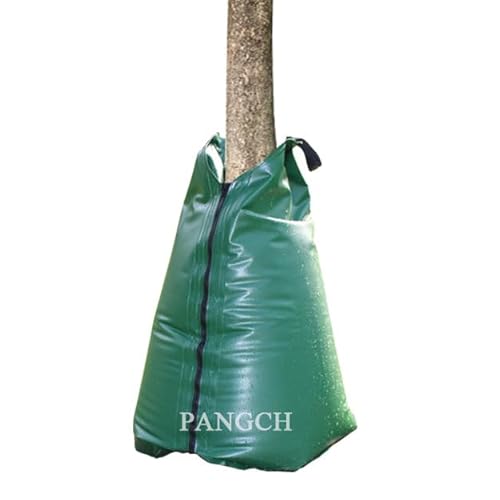
DEEP WATER SATURATION IS KEY - PANGCH tree watering bags deliver water deep below the soil surface, encouraging strong root growth, helping to reduce the effects of transplant & drought shock.Compared to conventional methods, tree watering bag can greatly reduce your watering frequency and save money by eliminating tree replacement and reducing labor costs.
Watering Requirements
Water your young trees consistently to maintain healthy growth. When first planted, trees need regular watering to establish roots. Water deeply once or twice a week, depending on soil moisture levels. If the top inch of soil feels dry, it’s time to water again. For young trees, aim for about 1 to 2 gallons of water per week. During hot, dry spells, increase the frequency.
Avoid overwatering, which can lead to root rot. Ensure pots or planting areas have good drainage. This balance gives young trees the hydration they need without suffocating the roots.
Sunlight and Temperature Needs
Provide your young trees with ample sunlight for optimal growth. Most fruit trees thrive in full sun, requiring at least 6 hours of direct sunlight each day. Position your pots or trees in areas that receive sufficient sun exposure, especially during morning hours.
Temperature also plays a crucial role in tree health. Maintain a warm environment as young trees are sensitive to frost. Protect them during colder months with row covers or bring pots indoors if necessary. Ideal temperatures range around 65°F to 75°F for most fruit varieties. Adjust your care based on the specific needs of the type of tree you are growing.
Transplanting Trees
Transplanting is a crucial step in the growth of your fruit trees. It involves moving young plants from their original containers to larger pots or outdoor spaces where they can thrive. Timing and technique play key roles in ensuring successful transplantation.
When to Transplant
Transplant your trees when they reach a height of 6 to 12 inches and have developed at least two sets of true leaves. This usually occurs between 6 to 12 weeks after germination, depending on the fruit type and growing conditions. Early morning or late afternoon is the best time for this process, as temperatures are cooler, minimizing stress on the plant.
Best Practices for Transplanting
Follow these best practices to ensure your young trees adapt well after transplanting:
- Prepare the New Location: Choose a sunny spot with well-draining soil. Amend it with compost if necessary to enhance nutrients.
- Water Before Transplanting: Moisture in the soil helps reduce shock. Water the seedlings a few hours before transplantation.
- Handle With Care: Grip the seedling by the leaves, not the stem. This prevents damage to delicate roots.
- Dig a Suitable Hole: Make a hole twice the width and depth of the root ball. This allows roots to spread easily.
- Position Properly: Place the seedling in the hole, ensuring that the top of the root ball is level with the soil surface. Add soil around it gently, pressing lightly to eliminate air pockets.
- Water Thoroughly: After planting, water the area well to help the roots settle into their new home.
- Provide Support: For taller seedlings, consider using stakes to prevent them from bending or breaking in the wind.
- Monitor for Stress: Watch for signs of transplant shock, such as wilting or yellowing leaves. Keep the soil consistently moist during the first few weeks as the trees adjust.
By following these guidelines, you enhance your chances of growing healthy and productive fruit trees from seeds.
Conclusion
Growing fruit trees from seeds is a journey filled with joy and satisfaction. You get to witness the transformation from a tiny seed to a thriving tree that can bear delicious fruit. Remember to be patient and attentive as your seedlings grow.
Each step you take from seed preparation to transplanting plays a crucial role in their success. Enjoy the process and don’t hesitate to experiment with different types of fruit seeds.
With a little care and dedication your garden will flourish and you’ll be rewarded with your own homegrown fruit. Happy planting!
Frequently Asked Questions
What types of fruit seeds can I grow from seeds?
You can grow various types of fruit seeds, including stone fruits (like peaches), pome fruits (such as apples), berries (like strawberries), and citrus fruits (such as oranges). Each category has its unique germination requirements, so it’s essential to research specific needs for the best results.
How do I prepare fruit seeds for planting?
To prepare fruit seeds, start by cleaning them with a soaking and rinsing method. This removes any residual fruit material. After cleaning, let the seeds air dry to prevent mold. Techniques like stratification and scarification can also help mimic natural conditions and support germination.
What soil is best for planting fruit seeds?
A well-draining potting mix designed for seed starting is ideal for planting fruit seeds. This type of soil provides the right nutrients and drainage needed for germination and helps prevent issues like root rot.
How often should I water young fruit trees?
Young fruit trees should be watered deeply once or twice a week, depending on soil moisture. Providing about 1 to 2 gallons of water weekly helps establish roots while preventing overwatering, which can lead to root rot.
When should I transplant my young fruit trees?
Transplant your young fruit trees when they reach 6 to 12 inches in height and have at least two sets of true leaves, usually about 6 to 12 weeks after germination. This ensures they are strong enough for their new environment.
What care do young fruit trees need?
Young fruit trees need consistent watering, at least 6 hours of direct sunlight daily, and ideal temperatures between 65°F to 75°F. Proper care will help them grow strong and healthy, ensuring a rewarding experience as they mature.
