

Banana trees can thrive in Detroit, MI with proper soil preparation and urban hardiness considerations. Selecting cold-hardy varieties and following specific planting techniques will maximize growth potential in this climate.
Urban Hardiness Zones for Banana Trees
Understanding the urban hardiness zones in Detroit is essential for successfully cultivating banana trees in this unique climate. The city’s specific conditions, including temperature fluctuations and soil characteristics, play a crucial role in determining how well these tropical plants can thrive. This section delves into the relevant hardiness zones and their implications for banana tree growth in an urban setting.
Urban hardiness zones are essential for determining which plants can survive in specific climates. Detroit falls within USDA hardiness zones 5b to 6a. This means that banana trees must be chosen carefully to ensure they can withstand cold temperatures.
Cold-hardy banana varieties, such as the Musa basjoo, can tolerate temperatures as low as 0°F. Proper care and protection during winter months are crucial for successful growth.
Recommended Products
![Greenwood Nursery: Live Perennial Plants - Musa Basjoo Cold Hardy Banana - [Qty: 2X Pint Pots] - (Click for Other Available Plants/Quantities)](https://m.media-amazon.com/images/I/51cl7jVVE3L._SL500_.jpg)
🌿 [INFO1] - Gives a tropical look to your garden. Grows from the Southern U.S. all the way to the southern part of Canada. A hardy Flowering Banana plant provides a tropical plant or jungle garden feel for pool landscapes, zen gardens and also makes an excellent container plant for porches, decks, patios & sunny areas of the house. The yellow orange flowers will produce small ornamental fruits that are not edible.
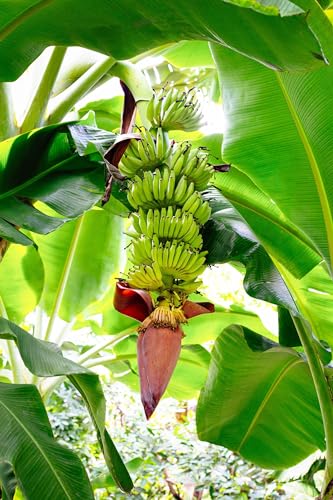
Live Plants for Planting 🌱 – Includes 4 rooted Musa basjoo banana plants, ready to plant in your garden or large pots.
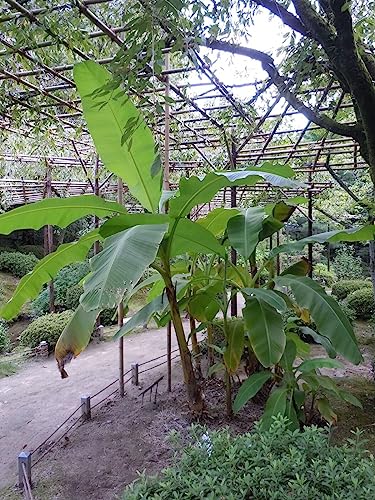
I Assurance that your plant will be sent out in good and healthy condition. Keep in mind that almost all live plants do become stressed during shipping
Best Banana Varieties for Cold Climates
When growing banana trees in cold climates like Detroit, selecting the right variety is crucial for success. Certain banana types are better suited to withstand lower temperatures and can thrive with proper soil preparation. Understanding these varieties will help urban gardeners maximize their chances of cultivating healthy banana plants despite the challenges of their environment.
Choosing the right banana tree variety is critical for success in Detroit. The following options are suitable for colder climates:
Musa basjoo: Very cold-tolerant, can survive harsh winters.
Musa acuminata: Offers sweet fruit and moderate cold tolerance.
Musa sikkimensis: Known for its stunning foliage and ability to withstand some frost.
When selecting a variety, consider your space and the intended use, whether for ornamental purposes or fruit production.
Soil Preparation Techniques for Banana Trees
Preparing the soil for banana trees in Detroit requires careful consideration of the local climate and soil conditions. Effective soil preparation techniques can enhance growth and ensure the trees thrive in an urban environment. Understanding these methods is essential for successful cultivation in this unique setting.
Soil preparation is vital for banana trees to thrive. The ideal soil should be well-draining and rich in organic matter. Here are steps to prepare your soil:
Test Soil pH: Aim for a pH between 5.5 and 7.0.
Amend Soil: Incorporate compost and well-rotted manure to enhance fertility.
Ensure Drainage: If your soil retains too much water, consider raised beds.
The following table outlines soil amendments and their benefits:
| Amendment | Benefit |
|---|---|
| Compost | Increases organic matter and nutrients |
| Manure | Provides slow-release nitrogen |
| Peat Moss | Improves soil structure and moisture retention |
Banana Tree Planting Methods in Detroit
Planting banana trees in Detroit requires careful consideration of the local climate and soil conditions. With the city’s unique urban environment, specific methods can enhance the chances of successful growth. Understanding these techniques is essential for gardeners aiming to cultivate these tropical plants in a region known for its colder temperatures.
Proper planting techniques will help establish your banana trees effectively. Follow these steps for successful planting:
Choose a Sunny Location: Select a spot that receives full sun for at least six hours daily.
Dig a Hole: Make a hole twice the width of the root ball and the same depth.
Position the Tree: Place the tree in the hole, ensuring the crown is level with the soil surface.
Backfill and Water: Fill the hole with soil and water thoroughly.
These steps will ensure your banana trees have the best chance of thriving in Detroit’s climate.
Winter Safeguards for Banana Trees
In Detroit’s unique climate, winter poses significant challenges for banana trees, which thrive in warmer conditions. Understanding the necessary safeguards is crucial for ensuring their survival during the cold months. This section explores effective strategies for protecting these tropical plants from harsh winter weather while maintaining their health and vitality.
Winter protection is essential for banana trees in colder climates. Here are effective strategies to safeguard your plants:
Mulch: Apply a thick layer of mulch around the base to insulate roots.
Wrap Trunks: Use burlap or frost cloth to wrap the trunk for added protection.
Container Planting: Consider growing in containers for easy relocation indoors during winter.
Be vigilant about monitoring temperatures and conditions to ensure your banana trees survive the winter months.
Watering Techniques for Urban Banana Trees
Watering urban banana trees in Detroit requires a tailored approach due to the city’s unique climate and soil conditions. Understanding the specific watering techniques can significantly enhance the health and growth of these tropical plants, ensuring they thrive despite the challenges of an urban environment. Proper hydration is essential for their development and fruit production.
Water management is crucial for banana trees, especially in urban settings. Here are key practices to follow:
Regular Watering: Water deeply once a week, adjusting frequency based on rainfall.
Fertilization: Use a balanced fertilizer every 6-8 weeks during the growing season.
Drainage Checks: Ensure that water does not pool around the roots.
Proper water and nutrient management will enhance growth and fruit production.
Banana Tree Growth Challenges and Solutions
Growing banana trees in Detroit presents unique challenges due to the city’s climate and soil conditions. Cold winters and variable temperatures can hinder growth, while urban soil often lacks the necessary nutrients. Understanding these obstacles and exploring effective solutions can help urban gardeners successfully cultivate banana trees in this environment.
Common issues can arise when growing banana trees in urban environments. Here are some symptoms and their solutions:
| Symptom | Solution |
|---|---|
| Yellow Leaves | Check for nutrient deficiencies or overwatering |
| Wilting | Ensure adequate moisture and check for root rot |
| Pest Infestation | Use organic insecticides or neem oil |
Addressing these issues promptly will help maintain healthy banana trees.
Banana Tree Cultivation Tips for Detroit
Growing banana trees in Detroit presents unique challenges due to the city’s climate and soil conditions. Understanding the specific requirements for successful cultivation is essential for urban gardeners. This section offers practical tips on how to prepare soil and select the right varieties to thrive in this region.
Growing banana trees in Detroit requires careful planning and execution. Focus on selecting the right variety, preparing soil correctly, and protecting your trees during winter. Regular maintenance will ensure healthy growth and fruit production.
