

Have you ever wondered why your fruit tree isn’t thriving? It might just be a matter of how you’re watering it. Proper watering is crucial for healthy growth and abundant fruit, but many people struggle to get it right.
Imagine planting a beautiful apple or peach tree, only to watch it struggle year after year. You want it to flourish and produce delicious fruit, but without the right watering techniques, you might be setting it up for failure. This article will guide you through the essentials of watering your fruit tree effectively, ensuring it gets the moisture it needs to thrive. By understanding the best practices, you’ll be on your way to enjoying a bountiful harvest in no time.
Key Takeaways
- Proper Watering is Essential: Adequate watering promotes strong root development, which is vital for healthy growth and fruit production in fruit trees.
- Seasonal Watering Adjustments: Adjust your watering frequency based on seasonal needs, with more water required in spring and summer, and less during fall and winter.
- Preferred Watering Techniques: Use methods like deep watering, soaker hoses, and watering wands to ensure moisture reaches the root zone effectively.
- Monitor Soil Moisture: Consistently check soil moisture with your finger or moisture meter to determine when to water, preventing both overwatering and underwatering.
- Watch for Signs of Stress: Be vigilant about symptoms such as yellowing leaves for overwatering and wilting for underwatering to keep your tree thriving.
- Adapt to Weather Conditions: Increase watering frequency during hot, dry spells and limit it during periods of heavy rain to prevent waterlogged roots.
Importance Of Proper Watering
Proper watering is crucial for the health and productivity of your fruit trees. Adequate water levels promote strong root development, ensuring trees absorb necessary nutrients. Insufficient watering leads to stressed trees, which can result in poor growth, reduced fruit yield, and increased susceptibility to pests and diseases.
Understanding the water needs of your specific fruit tree variety improves success rates. For example, young trees require more frequent watering than mature ones. Newly planted trees should receive deep, thorough watering once a week for the first year, encouraging roots to grow downwards for better stability and access to moisture.
Monitoring soil moisture levels ensures trees receive just the right amount of water. Use a moisture meter or your finger to check the soil up to 2 inches deep. If it feels dry, it’s time to water. Overwatering can drown roots, leading to rot and weakening the tree.
Adopting specific watering techniques enhances efficiency. Drip irrigation systems deliver water directly to the root zone, minimizing waste. Soaker hoses can be equally effective, providing slow, deep soaking to the soil.
Consider seasonal adjustments as well. During hot, dry periods, trees need more water—up to twice a week. Conversely, reduce watering in cooler months when evaporation rates are lower and tree growth slows.
Prioritize proper watering to ensure healthy, fruitful trees. Effective techniques, monitoring, and seasonal adjustments lead to thriving fruit trees and bountiful harvests.
When To Water Your Fruit Tree
Knowing when to water your fruit tree enhances its growth and fruit production. Timing plays a crucial role in ensuring your tree thrives.
Recommended Products

Kindly NOTE: This soil tester can not be applied to test pH value of any other liquid. If the soil is too dry the indicator will not move, and water it before testing.

Soil Moisture Meter: This single probe soil moisture meter is specially designed for testing the moisture level in the soil, helps you decide whether the plants need water or not, helps to keep plants alive.
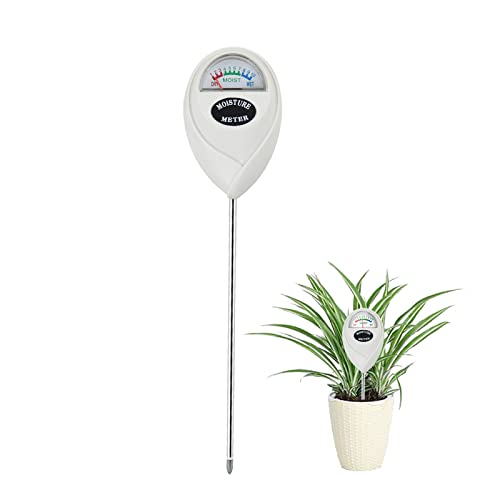
【SAVE YOUR PLANTS】: Over watering can cause problems with your plants or even kill them. This soil moisture meter helps you know the soil is dry, moist or wet.No more over watering!
Seasonal Considerations
Watering frequency varies by season. During spring, newly planted or young trees need weekly watering to establish roots. Mature trees may require less frequent attention. In summer, focus on delivering water more often, as trees use more moisture in warm weather. Aim to water deeply, allowing roots to reach moisture in the soil.
As fall approaches, gradually reduce watering. Trees in dormancy require less water, but maintain some moisture to aid root health. In winter, avoid watering unless there’s prolonged dryness; trees typically do not need additional moisture while dormant.
Weather Impacts
Weather conditions impact your watering schedule. During hot, dry spells, increase watering frequency. Monitor your tree and the soil; if the topsoil feels dry to the touch, it’s time to water. In contrast, during periods of heavy rain, limit watering to prevent waterlogged roots, which can lead to disease.
Pay attention to temperature extremes. If temperatures rise above 90°F (32°C), trees often need supplementary watering. Conversely, if temperatures drop drastically or if frost is in the forecast, adjust your watering to help your tree cope with stress.
By considering both seasonal changes and weather impacts, you can effectively manage when to water your fruit tree, ensuring it remains healthy and productive.
How To Water A Fruit Tree Effectively
Effective watering promotes healthy growth and fruit production for your tree. Understanding techniques and schedules is crucial for your tree’s well-being.
Recommended Products
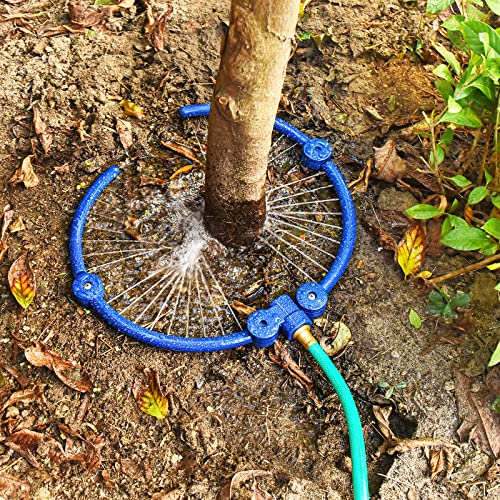
【Specially Designed for Trees and Shrubs】 The Watering Ring is a multi-purpose irrigation ring that attaches to a garden hose to efficiently water young trees shrubs vegetables or flower beds using drip or trickle irrigation.It directs water to the root perimeter of the plant to give them a good start during the first two growing seasons or through periods of drought.
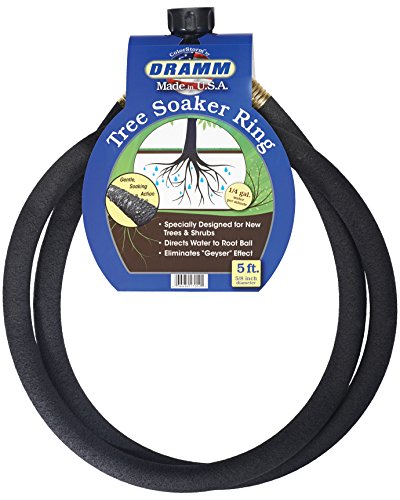
Thoroughly waters using 90% less water than conventional watering

GENTLE WATERING: Disperses water into a soft, even flow to protect delicate plants, seedlings, and soil from erosion and washout
Deep Watering Techniques
Deep watering saturates the root zone, encouraging strong root development. Aim for depths of 12 to 18 inches.
- Use a Soaker Hose: Lay a soaker hose around the tree, allowing slow, deep absorption.
- Water with a Wand: Attach a watering wand to your hose, targeting the soil near the roots instead of the foliage.
- Create a Water Basin: Form a shallow basin around the tree’s drip line to hold water, ensuring it penetrates deeply.
Consider watering during the early morning or late afternoon. This timing reduces evaporation, allowing more water to reach the roots.
Frequency Of Watering
Frequency depends on age, season, and weather.
- Newly Planted Trees: Water weekly for the first year. Monitor closely, especially in hot weather.
- Mature Trees: Adjust watering to every 2-4 weeks, based on rainfall and temperature.
- Hot, Dry Periods: Increase frequency to once every 5-7 days during summer heat.
- Fall and Winter: Gradually reduce watering as trees enter dormancy, limiting it to dry spells.
Always check soil moisture before watering. Insert your finger 1-2 inches into the soil; if it feels dry, it’s time to water. This practice ensures you provide the right amount without overwatering.
Common Mistakes To Avoid
Proper watering is crucial for fruit trees. Avoiding common mistakes helps keep your trees healthy and productive.
Recommended Products

Accurate Soil Moisture Detection: The XLUX Soil Moisture Meter can tell you if the soil deep inside your pot or garden is dry, moist or wet; whereas your eyes and fingers can only determine the moisture level of the soil surface. The probe is 5.5 inches (14 cm) longer than regular styles, allowing it to measure the soil moisture at the bottom of larger and deeper flower pots.

Long Probe for deep use - For plants with deep root systems, a long probe can reach the roots to provide an accurate moisture reading. This is essential for ensuring that the entire root zone is adequately watered

Accurate Soil Moisture Detection: The XLUX Soil Moisture Meter detects deep soil moisture in pots or gardens (dry/moist/wet), unlike eyes or fingers that only sense surface soil.
Overwatering Issues
Overwatering can lead to waterlogged soil. This condition suffocates roots and creates an environment for root rot. Signs of overwatering include yellowing leaves and moldy soil.
To prevent overwatering, always check soil moisture before watering. Stick your finger about an inch into the soil. If it feels damp, delay watering. Using a moisture meter provides an accurate reading of soil conditions. Apply deep watering techniques rather than frequent shallow watering; this promotes strong root growth.
Underwatering Risks
Underwatering stresses fruit trees, leading to wilting and stunted growth. Signs of underwatering include dry, brittle leaves and slow fruit development.
Monitor your trees regularly, especially during hot, dry spells. Newly planted trees often require more frequent watering—approximately once a week. Mature trees benefit from less frequent watering, typically every 2-4 weeks, adjusted based on weather. Installing a drip irrigation system can ease the burden, delivering consistent moisture directly to the roots.
Avoid overwatering by checking moisture levels and employ deep watering techniques. Prevent underwatering by monitoring conditions and adjusting your watering schedule accordingly.
Conclusion
Taking care of your fruit trees through proper watering is essential for their health and productivity. By understanding their specific needs and adjusting your techniques based on age and weather, you can promote strong growth and bountiful harvests.
Remember to monitor soil moisture and use efficient methods like drip irrigation to make your efforts more effective. With a little attention and care, your fruit trees will thrive and reward you with delicious fruits for years to come. Happy gardening!
Frequently Asked Questions
What is the importance of proper watering for fruit trees?
Proper watering is crucial for the health and productivity of fruit trees. It promotes strong root development, allowing trees to absorb essential nutrients. Inadequate watering can lead to stressed trees, resulting in poor growth, reduced fruit yield, and increased vulnerability to pests and diseases.
How often should I water newly planted fruit trees?
Newly planted fruit trees require deep, thorough watering once a week for the first year. Regular watering helps establish strong roots and supports overall tree health as they grow.
What are effective watering techniques for fruit trees?
Effective watering techniques include using drip irrigation systems, soaker hoses, or creating a watering basin around the tree. Deep watering is recommended to saturate the root zone and encourage healthy root growth.
When is the best time to water fruit trees?
Watering is best done early in the morning or late in the afternoon to reduce evaporation. This timing ensures that more water reaches the roots instead of being lost to the atmosphere.
How can I tell if my fruit trees need water?
Monitor soil moisture by using a moisture meter or checking with your finger. Signs of underwatering include wilting, dry, brittle leaves, while overwatering may lead to yellowing leaves and waterlogged soil.
What common watering mistakes should I avoid?
Avoid overwatering, which can cause root rot, and underwatering, which stresses trees. Regularly checking soil moisture helps prevent these issues and maintains healthy, productive fruit trees.
