

Growing grapefruit trees in Boise, ID requires careful planning due to the high desert climate. Selecting the right variety and employing effective cultivation techniques will ensure healthy growth and fruit production.
Choose the Right Grapefruit Variety
Selecting the appropriate grapefruit variety is crucial for successful cultivation in Boise’s high desert climate. With its unique temperature fluctuations and soil conditions, choosing a variety that thrives in these specific circumstances can significantly impact growth and fruit quality. Understanding the best options will set the foundation for a fruitful grapefruit tree garden.
Selecting the appropriate grapefruit variety is crucial for successful cultivation in Boise’s high desert environment. The climate presents unique challenges, including temperature fluctuations and limited moisture. The following varieties are well-suited for this region:
Ruby Red: Known for its sweet flavor and pink flesh.
Star Ruby: Offers a rich, deep red color and a tangy taste.
Marsh Grapefruit: A classic white variety with a mild flavor.
| Variety | Flavor Profile | Skin Color | Cold Tolerance |
|---|---|---|---|
| Ruby Red | Sweet | Pink | Moderate |
| Star Ruby | Tangy | Deep Red | High |
| Marsh Grapefruit | Mild | Yellow | Moderate |
Recommended Products

🌱 4 LIVE CHICAGO HARDY FIG STARTER PLANTS – Receive healthy, vigorous live plants for planting, ready to thrive and produce delicious figs in your home garden.

More than 50 years of research has gone into developing cherry trees with cold hardiness, dwarf stature and good fruit quality.

🍇 Sweet, Medium-Sized Figs – Rich flavor with glossy dark purple skin and vibrant interior.
Selecting the Ideal Planting Location
Choosing the right planting location is crucial for successfully growing grapefruit trees in Boise’s high desert climate. Factors such as sunlight exposure, soil quality, and wind protection can significantly influence the health and productivity of your trees. Understanding these elements will help you create an optimal environment for your grapefruit trees to thrive.
Preparing the planting site is essential for the health of your grapefruit trees. Choose a location that receives full sunlight for at least six hours daily.
The soil should be well-draining to prevent root rot. Follow these steps to prepare the site:
Test the soil pH: Aim for a pH between 5.5 and 6.5.
Amend the soil: Incorporate organic matter like compost to improve drainage.
Clear debris: Remove weeds and rocks from the area.
Watering Strategy for High Desert Grapefruit Trees
In the high desert climate of Boise, ID, establishing a successful watering strategy is crucial for grapefruit trees to thrive. The region’s unique environmental conditions demand careful attention to moisture levels, ensuring trees receive adequate hydration without overwatering. This section outlines effective techniques to maintain the right balance for optimal growth and fruit production.
Watering is a critical aspect of grapefruit tree care, especially in a high desert climate. Grapefruit trees require consistent moisture, but overwatering can lead to root issues. Implement the following watering strategy:
Water deeply: Ensure the soil is moist to a depth of 12 inches.
Use drip irrigation: This method conserves water and delivers moisture directly to the roots.
Monitor soil moisture: Check regularly to avoid drought stress.
Recommended Products

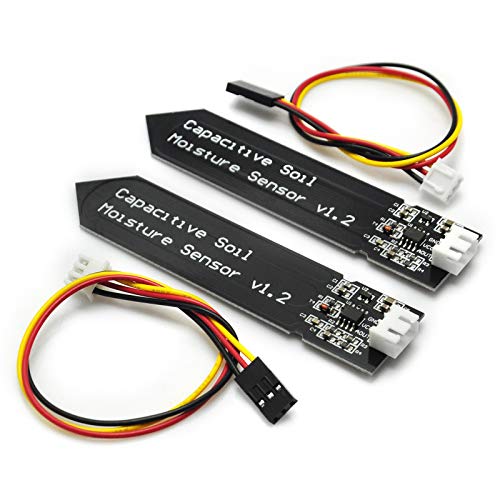
Capacitive Soil Moisture Sensor: Compatible with for Arduino Raspberry Pi

Fertilization Techniques for Grapefruit Trees
Fertilizing grapefruit trees is crucial for their growth and fruit production, especially in the unique climate of Boise, ID. Understanding the specific nutrient needs and timing for fertilization can significantly impact the health and yield of your trees. This section will explore effective fertilization techniques tailored for high desert conditions.
Fertilization plays a significant role in the growth and fruiting of grapefruit trees. Use a balanced fertilizer designed for citrus trees to provide essential nutrients. Follow these guidelines for effective fertilization:
Apply in spring: Fertilize just before the growing season begins.
Use slow-release fertilizer: This ensures a steady supply of nutrients.
Follow package instructions: Adhere to recommended amounts based on tree age and size.
| Fertilizer Type | Application Rate | Frequency |
|---|---|---|
| Balanced Citrus Fertilizer | 1 lb per tree | Every 6 weeks during growing season |
| Organic Compost | 2-3 inches around base | Annually in spring |
Pest and Disease Management for Grapefruit Trees
Managing pests and diseases is crucial for the successful cultivation of grapefruit trees in Boise’s high desert climate. Understanding the specific threats these trees face in this region can help you implement effective strategies to protect your plants. This section will outline common pests and diseases, along with practical solutions to ensure your grapefruit trees thrive.
Pests and diseases can threaten the health of grapefruit trees. Regular monitoring and preventive measures are essential. Here are common issues and solutions:
Citrus Leaf Miner: Use insecticidal soap to control larvae.
Root Rot: Ensure proper drainage and avoid overwatering.
Powdery Mildew: Apply fungicides if symptoms appear.
Recommended Products

PEST DEFENSE - Insecticidal Super Soap controls species of adelgid, ant, aphid, borer, caterpillar, spider mite, cricket, chinch bug, weevil, fly, thrip, & more.
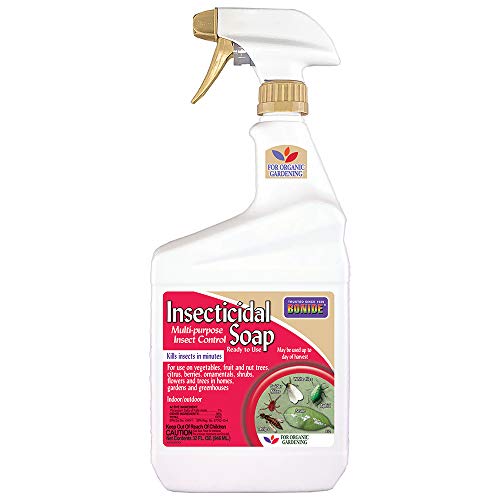
Captain Jack's Insecticidal Super Soap controls species of adelgid, ant, aphid, borer, caterpillar, spider mite, cricket, chinch bug, weevil, fly, thrip, and more

READY-TO-USE CONTACT SPRAY: No mixing required. Thoroughly spray insecticide on all plant parts, including the underside of leaves. Pests must be sprayed directly to achieve control
Pruning Techniques for Healthy Grapefruit Trees
Pruning is essential for maintaining the health and productivity of grapefruit trees, especially in Boise’s unique high desert climate. Proper techniques not only promote strong growth but also enhance fruit quality and tree longevity. Understanding when and how to prune can make a significant difference in your grapefruit harvest.
Pruning is vital for maintaining the shape and health of grapefruit trees. Proper pruning encourages better air circulation and sunlight penetration. Follow these steps for effective pruning:
Remove dead or diseased branches: This prevents the spread of disease.
Thin out crowded areas: Allow light to reach the inner branches.
Shape the tree: Aim for an open-center structure for better growth.
Optimal Grapefruit Harvest Timing
Understanding the best timing for harvesting grapefruit is crucial for maximizing flavor and yield in Boise’s high desert climate. This section will guide you through the specific indicators to look for, ensuring your grapefruit trees produce the sweetest and most vibrant fruit possible. Timing your harvest correctly can make all the difference in your gardening success.
Harvesting grapefruit at the right time ensures optimal flavor and quality. Grapefruit typically ripens in late winter to early spring. Look for these signs to determine readiness:
Color change: The skin should be fully colored.
Firmness: The fruit should feel firm but slightly give under pressure.
Taste test: Sample a fruit to check for sweetness.
Do not harvest too early as this can affect flavor and quality.
Grapefruit Cultivation Best Practices for Boise
Growing grapefruit trees in Boise’s high desert climate presents unique challenges and opportunities. Understanding the specific cultivation practices suited to this region can significantly enhance your success. This section outlines the best methods to nurture grapefruit trees, ensuring they thrive despite the area’s variable conditions.
Growing grapefruit trees in Boise requires attention to detail and adherence to best practices. By choosing the right variety, preparing the site, and implementing effective care strategies, you can enjoy a fruitful harvest.
