

Applying dormant oil on guava trees effectively manages pests during the dormant season. This method suffocates overwintering insects and their eggs, reducing pest populations for a healthier tree.
Dormant Oil Applications for Guava Pest Control
Dormant oil is a refined petroleum product that works by coating and suffocating pests. When applied during the tree’s dormant period, it targets various insects, including scales, mites, and aphids. This treatment is crucial for maintaining the health of guava trees, as it minimizes pest infestations before the growing season begins. Proper application ensures that beneficial insects are not harmed.
Dormant Oil Application Guidelines for Guava Trees
Dormant oil is an effective tool for managing pests on guava trees, especially during their inactive growth period. Proper application techniques can enhance pest control while minimizing potential harm to the trees. Understanding these guidelines is essential for maintaining healthy guava crops and ensuring optimal yields.
| Symptom | Primary Suspect | Difficulty (1-5) |
|---|---|---|
| Visible pests on bark | Scale insects | 3 |
| Leaf drop in winter | Aphids | 2 |
| Stunted growth | Mites | 4 |
Common Guava Tree Pests Identification
Identifying pests that affect guava trees is crucial for effective management and ensuring healthy fruit production. This section provides detailed descriptions and characteristics of the most common pests that target guava trees, helping growers recognize and address infestations promptly. Understanding these pests is the first step in implementing a successful pest management strategy.
Recognizing the pests that affect guava trees is essential for effective management. Common pests include:
Scale insects: These pests attach to the bark and suck sap, weakening the tree.
Aphids: Small and often green, they cluster on new growth and can cause leaf curling.
Spider mites: These tiny arachnids create webbing and cause leaf discoloration.
Understanding these pests helps in determining the right time and method for applying dormant oil.
Environmental Factors Behind Pest Infestations
Understanding the environmental factors that contribute to pest infestations on guava trees is crucial for effective pest management. Various elements such as temperature, humidity, and soil conditions can significantly influence pest populations and their behavior. By examining these factors, growers can better anticipate and mitigate potential threats to their crops.
Pest infestations in guava trees often stem from environmental factors. Key causes include:
Overcrowding: Dense plantings can create a humid microclimate favorable for pests.
Nutrient imbalance: Poor soil health can weaken trees, making them more susceptible to infestations.
Lack of natural predators: A decline in beneficial insects can lead to unchecked pest populations.
Addressing these root causes is critical for long-term pest management.
Dormant Oil Application Techniques for Guava Trees
Applying dormant oil to guava trees is a crucial step in pest management, helping to control overwintering insects and diseases. Understanding the proper techniques for application ensures that the treatment is effective while minimizing potential harm to the tree and its environment. This section outlines the best practices for applying dormant oil specifically to guava trees.
Applying dormant oil requires careful planning. Follow these steps for optimal results:
Select the right product: Choose a high-quality dormant oil specifically labeled for fruit trees.
Prepare the tree: Prune any dead or diseased branches to improve air circulation.
Dilute the oil: Follow the manufacturer’s instructions for mixing the oil with water.
Apply evenly: Use a sprayer to coat the entire tree, focusing on the bark and undersides of leaves.
Timing is key: Apply during the dormant season, ideally before bud break.
Recommended Products
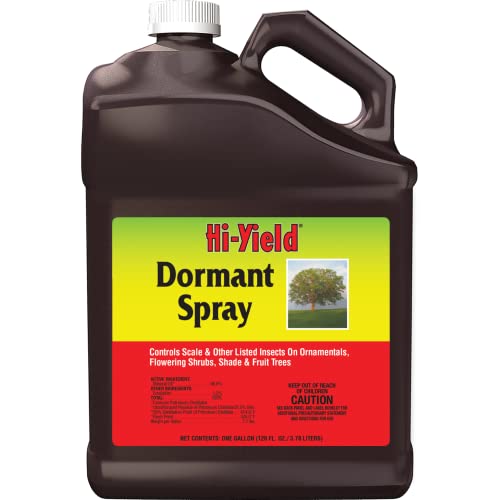
Controls a variety of Scale, Mites, Fruit Tree Leaf Rollers, Pear Psylla, Fall Armyworms, and Whiteflies
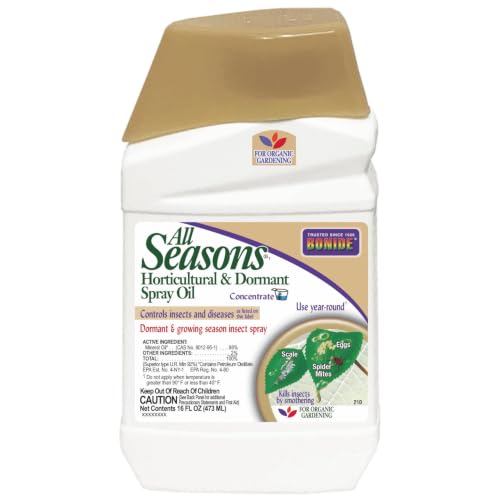
Control insects & diseases in your home garden with All Seasons Horticultural & Dormant Spray Oil Concentrate; use year-round to control listed insects and diseases

USE YEAR ROUND - Our 3-in-1 product provides year-round protection against insects, mites, and diseases. Can be used at the dormant stage, green tip stage, delayed dormant stage, and during the growing season to prevent pest infestations and disease.
Dormant Oil Application Gear and Supplies
When applying dormant oil to guava trees, having the right gear and supplies is essential for effective pest management. This section outlines the necessary equipment and materials to ensure a successful application, helping to protect your trees from pests while promoting healthy growth during the dormant season. Proper preparation will enhance the efficacy of your pest control efforts.
Before applying dormant oil, ensure you have the necessary gear and supplies. Recommended items include:
Protective gloves: To avoid skin contact with the oil.
Safety goggles: To protect eyes from splashes.
Sprayer: A hand-held or backpack sprayer for even application.
Always read the product label for specific safety instructions and recommendations.
Dormant Oil Product Application Data
Effective application of dormant oil is crucial for managing pests on guava trees. This section provides essential data on various dormant oil products, including their recommended usage rates and timing for optimal results. Understanding these specifics will help ensure the health of your guava trees while effectively controlling pest populations.
| Product Name | Active Ingredient | Application Rate | Coverage Area |
|---|---|---|---|
| Product A | Mineral oil | 2-3% solution | 1,000 sq ft |
| Product B | Vegetable oil | 1-2% solution | 800 sq ft |
| Product C | Refined oil | 3-4% solution | 1,200 sq ft |
Post-Application Health Monitoring for Guava Trees
Monitoring the health of guava trees after applying dormant oil is crucial for ensuring their recovery and resilience against pests. This section outlines the key indicators to observe, helping growers assess the effectiveness of the treatment and make informed decisions for future pest management strategies. By understanding these health markers, tree care can be optimized for better yields.
After applying dormant oil, monitor your guava trees for signs of improvement or ongoing pest issues. Look for:
New growth: Healthy shoots indicate successful pest management.
Pest presence: Check for any returning pests, especially in the spring.
Overall vigor: Assess the tree’s health and adjust care practices as needed.
Do not apply dormant oil during warm weather or when trees are actively growing, as this can cause damage.
Alternative Pest Control Techniques for Guava Trees
Exploring alternative pest control techniques for guava trees can enhance their health and yield while minimizing chemical use. These methods focus on natural solutions and integrated pest management strategies that target specific pests without harming beneficial organisms. Understanding these approaches is essential for sustainable cultivation and effective pest management in guava orchards.
In addition to dormant oil, consider these strategies for comprehensive pest management:
Introduce beneficial insects: Ladybugs and lacewings can help control aphid populations.
Use insecticidal soap: This can be effective against soft-bodied insects if applied during the growing season.
Implement cultural practices: Regularly remove debris and weeds to reduce pest habitats.
By combining these methods with dormant oil applications, you can create a robust pest management plan for your guava trees.
