

Have you ever wondered how to grow delicious cantaloupe right in your own backyard, even if space is limited? Picture this: You’re craving a juicy, sweet slice of cantaloupe on a hot summer day, and you realize you can pluck one straight from your trellis. Exciting, isn’t it?
In this article, I’ll show you the simple yet rewarding process of growing cantaloupe on a trellis. By utilizing vertical space, you not only save room but also protect your fruits from pests and diseases. Get ready to enjoy a bountiful harvest of fresh cantaloupes while adding a touch of greenery to your garden oasis.
Key Takeaways
- Growing cantaloupe on a trellis optimizes space in small gardens or urban settings, allowing for efficient use of vertical space.
- The increased air circulation and sunlight exposure from growing cantaloupe on a trellis help reduce the risk of fungal diseases and promote better fruit development.
- Choosing the right trellis type, considering factors like strength, size, material, ease of access, and cost-effectiveness, is crucial for successful cantaloupe growth.
- Proper preparation, planting techniques, securing methods with soft ties or clips, and maintenance practices are essential for cultivating healthy cantaloupes on a trellis.
- Regular watering, fertilizing, monitoring for pests and diseases, recognizing signs of ripeness like aroma and color change, safe harvesting techniques using pruning shears are key to enjoying bountiful harvests of delicious cantaloupes grown on a trellis.
Benefits of Growing Cantaloupe on a Trellis
When you grow cantaloupe on a trellis, you unlock several advantages that enhance your gardening experience. Here’s why opting for this vertical growing method can be beneficial:
Space Optimization
Growing cantaloupe on a trellis allows you to maximize your backyard space efficiently. By training the vines to climb vertically, you save valuable ground space for other plants or activities. This is especially advantageous for small gardens or urban settings where space is limited.
Improved Air Circulation and Sunlight Exposure
With cantaloupe plants climbing a trellis, air circulation around the foliage increases significantly. This improved airflow helps reduce the risk of fungal diseases that thrive in damp conditions. Additionally, positioning the fruits off the ground exposes them to more sunlight, promoting better fruit development and ripening.
By leveraging these benefits of growing cantaloupe on a trellis, you can enjoy healthy plants, protect your fruits from pests and diseases, and make the most of your garden space for a rewarding harvest season.
Choosing the Right Trellis for Cantaloupe
When it comes to growing cantaloupe on a trellis, selecting the appropriate trellis is crucial for the success of your plants. Here’s what you need to know about choosing the right trellis:
Recommended Products

Protect Watermelons: Watermelon hanging nets are widely used in melon sheds on farms. Watermelons are relatively large in size and weight and require the support of watermelon hanging nets. It is also often used in the cultivation of other fruits and vegetables, such as pumpkins; cantaloupes and winter melons. The hanging net supports the fruits and effectively prevents the vines from breaking due to the weight of the fruits, which is conducive to harvesting more complete and fresh fruits

【Sturdy and Durable Material】This melon hammock is made of thickened nylon material, which is sturdy, durable, resilient and eco-friendly for easy storage.

Sufficient quantity:The package includes 100 reusable watermelon net bags,enough to meet your garden or planting needs
Types of Trellises Suitable for Cantaloupe
- Vertical Trellises: These are ideal for cantaloupes as they allow the vines to climb upwards, saving space and facilitating air circulation.
- Mesh or Netting Trellises: Providing excellent support for the heavy fruit, these trellises prevent rot by keeping cantaloupes off the ground.
- A-Frame Trellises: Perfect for small spaces, A-frame trellises offer sturdy support while allowing easy access to both sides of the plant.
- Cattle Panel Trellises: Durable and versatile, these trellises provide strong support for cantaloupe vines and fruits.
- Strength and Durability: Ensure the trellis can bear the weight of mature cantaloupes without bending or breaking.
- Size and Space: Select a trellis that fits your garden layout and allows sufficient room for vine growth and fruit development.
- Material: Opt for materials like wood, metal, or sturdy plastic that can withstand outdoor conditions throughout the growing season.
- Ease of Access: Choose a design that enables easy harvesting and maintenance tasks such as pruning or pest control.
- Cost-Effectiveness: Balance quality with cost when selecting a trellis that suits your budget while meeting your needs effectively.
By considering these factors and choosing an appropriate type of trellis, you can set up your cantaloupe plants for success in vertical gardening, leading to healthier plants and bountiful harvests in limited garden spaces or urban environments.
Planting and Training Cantaloupe on a Trellis
When it comes to planting and training cantaloupe on a trellis, proper preparation and techniques are key to ensuring successful growth. Here’s how you can effectively set up your trellis system for optimum results.
Recommended Products

MADE FROM 65% RECYCLED PLASTIC - Reusable so you can reduce waste; supports the move toward a sustainable future whether using as indoor plant support, or replacing garden wire in the yard
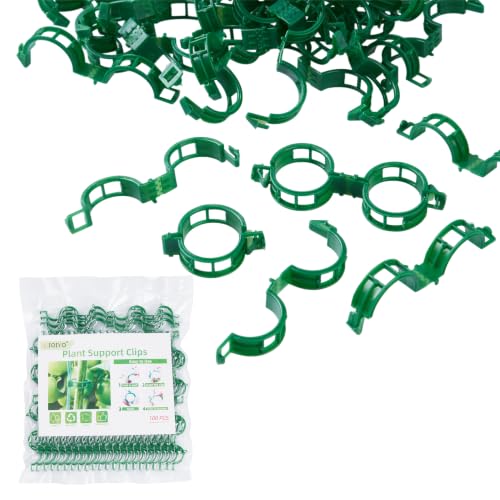
Durable Material: Made from high - quality, long - lasting plastic, these plant support clips are designed to withstand various weather conditions and the test of time, ensuring they can support your plants season after season.

PLASTIC MATERIAL: The plant support clips are made of plastic. 1.2 inch (30 mm) middle diameter. Smooth surface without burr. The clamps are durable, and the middle joint is folded repeatedly and not easy to break, which can be reused.
Preparation and Planting Techniques
To start, choose a sunny location with well-draining soil for planting your cantaloupe. Prepare the soil by mixing in compost or organic matter to provide essential nutrients for the plants. Cantaloupes thrive in warm temperatures, so ensure that the soil has warmed up before planting.
Plant your cantaloupe seeds or seedlings at the base of the trellis according to the recommended spacing guidelines. As the plants grow, gently guide them towards the trellis for support using soft ties or twine. Regularly check for any signs of pests or diseases and take appropriate measures to protect your plants.
Water your cantaloupe regularly, ensuring consistent moisture levels without overwatering. Consider using mulch around the base of the plants to retain moisture and suppress weed growth. As the vines begin to climb, gently train them along the trellis, securing them as needed to promote upward growth.
Methods for Securing and Supporting Cantaloupe on a Trellis
Securing cantaloupe vines on a trellis involves using soft ties or clips to avoid damaging delicate stems. As the vines grow heavier with fruit, provide additional support by adjusting ties or adding extra clips where necessary. This helps prevent breakage and ensures that the fruit develops evenly.
Consider installing a sturdy trellis system that can withstand the weight of mature cantaloupes. Metal or wooden trellises are popular choices due to their durability and strength. Ensure that your chosen trellis is tall enough to accommodate vertical growth while being easily accessible for maintenance tasks such as pruning and harvesting.
By following these preparation, planting, training, securing, and supporting techniques, you can successfully grow cantaloupe on a trellis in your garden or limited space area with optimal results.
Maintenance for Optimal Growth
To ensure your cantaloupe plants thrive on the trellis, proper maintenance is essential. Here are some key aspects to focus on:
Watering and Fertilizing Requirements
When it comes to watering your cantaloupes grown on a trellis, consistency is key. Make sure you water the plants regularly, especially during dry periods. Cantaloupes need about 1-2 inches of water per week, either through rainfall or irrigation.
Fertilizing:
Apply a balanced fertilizer when planting your cantaloupe seedlings near the base of the trellis. You can also use a side-dressing technique with additional fertilizer throughout the growing season to provide essential nutrients for healthy growth.
Common Pests and Diseases to Watch For
Keeping an eye out for pests and diseases is crucial to maintain optimal growth of your cantaloupes on a trellis. Some common issues include aphids, spider mites, powdery mildew, and bacterial wilt.
Prevention:
Regularly inspect your plants for any signs of pest infestation or disease development. Consider using natural remedies like neem oil or insecticidal soap to control pests organically. Proper spacing between plants on the trellis can also help improve air circulation and reduce disease incidence.
Harvesting Cantaloupe Grown on a Trellis
When it comes to harvesting cantaloupe that’s been grown on a trellis, there are specific signs of ripeness you should look for and safe methods for harvesting to ensure you enjoy the fruits of your labor.
Signs of Ripeness
Knowing when your cantaloupes are ripe is crucial for optimal flavor and sweetness. Here are some indicators to help you determine if your cantaloupes are ready to be harvested:
- Sweet Aroma: Ripe cantaloupes will have a sweet, fragrant smell at the blossom end.
- Color Change: The skin color between the netting turns from green to beige or yellow when ripe.
- Firmness: Gently press the blossom end; if it gives slightly and feels firm, it’s likely ripe.
- Slip from the Vine: When gently tugged, a ripe cantaloupe should easily detach from the vine without excessive force.
Methods for Safe Harvesting
To harvest your cantaloupes safely without damaging the fruit or plant, follow these steps:
- Use Pruning Shears: Cut the stem about an inch above where it connects to the fruit using clean pruning shears.
- Handle with Care: Avoid dropping or roughly handling the fruit to prevent bruising or damage.
- Inspect Thoroughly: Check each cantaloupe carefully for ripeness before picking to ensure maximum flavor.
- Timing is Key: Harvest in the morning when temperatures are cooler for better fruit preservation.
- Store Properly: After harvesting, store your cantaloupes in a cool, dry place away from direct sunlight.
By following these guidelines on recognizing ripeness and employing safe harvesting practices, you can enjoy delicious homegrown cantaloupes grown on a trellis at their peak flavor and quality.
Conclusion
You’ve learned about the numerous advantages of growing cantaloupe on a trellis, such as maximizing space and enhancing plant health through better airflow and sunlight exposure. By selecting the right trellis and implementing proper maintenance routines like watering, fertilizing, and pest control, you can ensure a successful harvest. When it comes to harvesting your cantaloupes, remember to look for key indicators of ripeness like fragrance, color changes, and firmness. Utilize safe harvesting techniques such as using pruning shears and gentle handling to preserve the flavor and quality of your homegrown fruits. With these insights in mind, you’re well-equipped to enjoy a bountiful harvest of delicious cantaloupes from your trellis-grown plants. Happy gardening!
Frequently Asked Questions
Why should I grow cantaloupe on a trellis?
Growing cantaloupe on a trellis optimizes space, improves air circulation, and increases sunlight exposure for healthier plants.
How do I select the right trellis for my cantaloupe plants?
Choose a sturdy trellis that can support the weight of growing fruits and allows enough space for vines to climb and spread.
What maintenance practices are important for cantaloupe grown on a trellis?
Regular watering, fertilizing with balanced nutrients, and monitoring for pests are crucial for healthy growth and fruit production.
How do I know when my cantaloupes are ready to harvest?
Look for signs of ripeness such as a sweet aroma, color change from green to beige or yellow, and gentle firmness when pressed near the stem.
What are some safe harvesting methods for cantaloupes grown on a trellis?
Use clean pruning shears to cut ripe fruits from the vine, handle them gently to avoid damage, and store harvested cantaloupes in a cool, dry place.
